

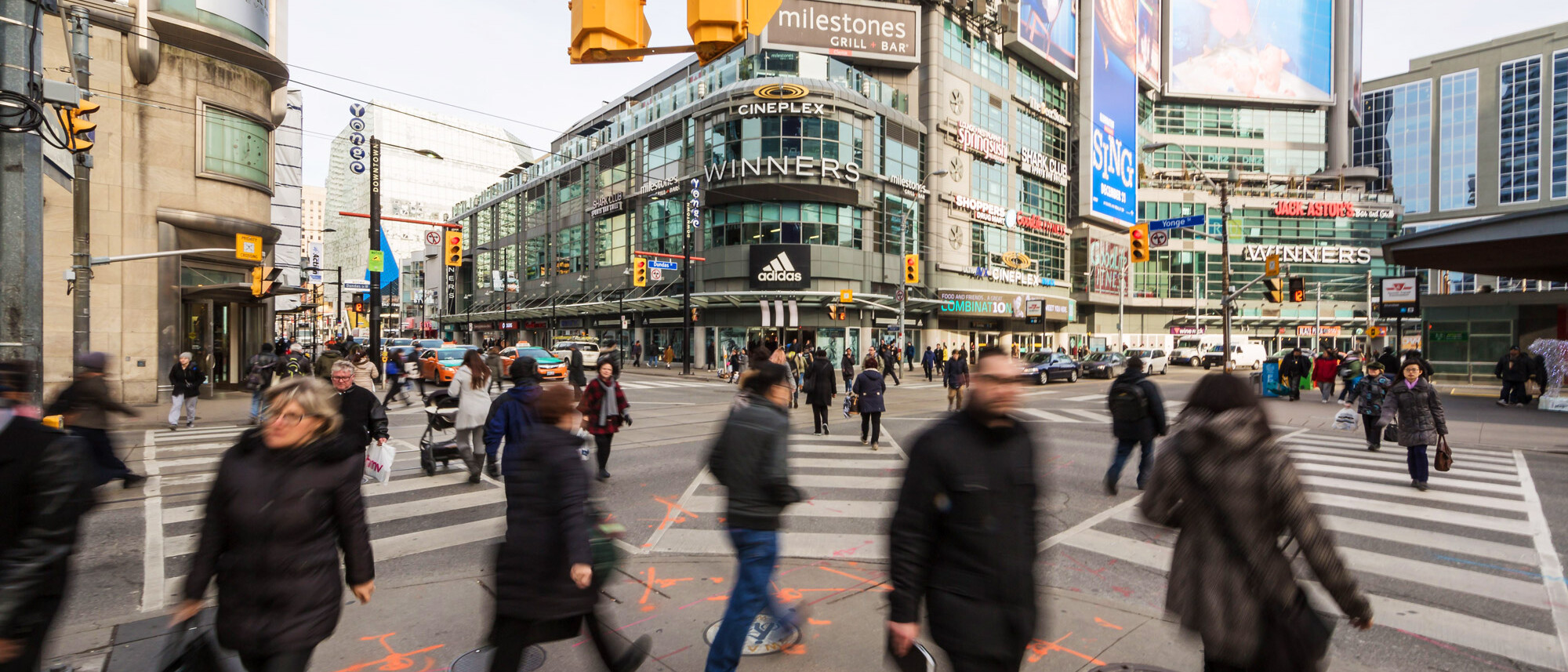
Canada’s mosaic is holding strong
Opinions on immigration recently underwent a profound shift, in response to the post-pandemic spike in the intake of new immigrants. Add to this the recurrence of troubling incidents: police officers who abuse racialized citizens; synagogues riddled with bullets; other religious minorities made to feel they don’t belong. When it comes to multiculturalism, are we sure Canada still has bragging rights?
July 4, 2026
July 4, 2026immigration,multiculturalism,Insight,canadian identitymichael adams
Looking for something specific?

The Myth of the Everyday Canadian
The well-worn label of “everyday Canadian” or “average citizen” echoes from the pronouncements of our elected officials, policy experts and journalists who tell us about who we all are, what we happen to believe, or how we spend our time on this pursuit or that. But upon scrutiny, this concept doesn’t hold up.
July 6, 2026

Politics is getting crazier. Can pollsters stay sane?
Ever since Donald Trump first set his sights on the presidency, it’s been hard to keep up with his non-stop outlandish statements and actions. But if you think this causes headaches for journalists, pundits and politicians, spare a thought for the pollsters. | By Michael Adams & Andrew Parkin
April 28, 2026
April 28, 2026politics,united states,united states politics,role of research,michael adamsInsight

Women in the workplace: Experiences with mentoring
Extensive research shows that having a mentor at work has numerous benefits for both participants and employers. Leaders, particularly women, Indigenous, and racialized leaders often cite mentorship as key to their success. | By Victoria Barford & Dr. Wendy Cukier
January 15, 2026
January 15, 2026economy,survey on employment and skills,gender inequalityInsight

What public opinion tells us about the political outlook for 2026
With a minority government in Ottawa, a federal election is possible at any time – triggered either deliberately or by accident. This encourages political observers to check opinion polls as often as regular people check the weather. | By Andrew Parkin
December 29, 2025
December 29, 2025immigration,multiculturalism,politics,canadian identity,united states,values,youthInsight

Will 2025 be remembered as the year Canadians re-embraced nationalism?
Nationalism has many different forms, from benign feelings of pride to aggressive chauvinism. Some speak idealistically of civic nationalism, quizzically of economic nationalism, or suspiciously of ethnic nationalism. | By Michael Adams & Andrew Parkin
December 27, 2025
December 27, 2025immigration,politics,canadian identity,united states,values,michael adamsInsight

Writing a new immigration story for Canada
For most of the past few decades our country has been welcoming large numbers of immigrants – both permanent and temporary – with the support of most Canadians. | By Michael Adams, Wendy Cukier & Keith Neuman
December 1, 2025
December 1, 2025immigration,multiculturalism,politics,canadian identity,values,michael adamsInsight

South Asian experiences with racism in Canada
What has been the experience of South Asian people in terms of encountering racism, and how does this compare with other racialized groups in Canada? | By Keith Neuman
July 3, 2025
July 3, 2025race relations,south asians,racism,race relations in canada surveyInsight

Our elbows may be up, but have Canadians really changed?
If ever there was a year when Canadians needed a national day off, it’s 2025. Certainly, politicians and journalists could use a break after months of campaigning, but ordinary citizens are also worn out: from tracking which tariffs are on or off, digesting the U.S. President’s latest threats to our independence, and searching for the “product of Canada” labels at the grocery store while trying to understand what they even mean. | By Michael Adams & Andrew Parkin
July 1, 2025
July 1, 2025canadian identity,social values,michael adamsInsight

Barriers to interprovincial trade are falling. What comes next might be even more important
The latest edition of the Confederation of Tomorrow annual survey shows that Canadians haven’t changed their mind on provincial protectionism. | By Charles Breton & Andrew Parkin
June 27, 2025
June 27, 2025confederation of tomorrow,federalism,economyInsight
Black experiences with racism in Canada
This month marks the five-year anniversary of George Floyd’s tragic murder at the hands of the Minneapolis Police in May 2020. This event took place at a time of growing tension around police violence directed at the Black community in a number of cities, and sparked a massive wave of protests and demonstrations across the USA and other countries advocating for racial justice.
May 29, 2025
May 29, 2025race relations,racism,black experience project,race relations in canada surveyInsight
Indigenous experiences with racism in Canada
This year marks 10 years since the Truth and Reconciliation Commission finished its work investigating the history and impacts of Canada’s Indian Residential School system. The commission’s final report marked the completion of a painful yet essential process of testimony and revelation, but even more important the starting point for the country’s reckoning with its colonial legacy.
May 15, 2025
May 15, 2025indigenous peoples,race relations,racism,race relations in canada surveyInsight

A social values journey down memory lane
On May 9, 2025, Michael Adams is being inducted into Canada’s Marketing Hall of Legends. The award recognizes Michael's decades of helping people understand one another. Long-time friend and colleague Barry Watson has written a reflection on his influence on research, marketing, and society. | By Barry Watson
May 9, 2025
Personal experience with hate in Canada
Hate motivated aggression is becoming alarmingly common in Canada. This typically takes the form of blatant disrespect, abuse and sometimes violence motivated by hatred or bias directed at physical symbols (such as a mosque or synagogue), individuals or groups of people, or communities as a whole. | By Keith Neuman
April 30, 2025
April 30, 2025race relations,racism,race relations in canada surveyInsight

Now is not the time for Canada to walk away from diversity, equity and inclusion
Canada is a much different place than it was three years ago. In 2021, the topic of racial justice was front and centre in the public discourse in response to George Floyd’s tragic murder, the Black Lives Matter movement, anti-Asian harassment, and uneven progress toward reconciliation with Indigenous peoples. | By Michael Adams, Marva Bailey-Wisdom & Keith Neuman
April 21, 2025
April 21, 2025race relations,racism,race relations in canada survey,diversity equity inclusion (DEI),michael adamsInsight

Ageism is about more than disrespecting seniors
Prejudice against older people is relatively new in historical terms, reflecting a profound change from previous eras when elders were widely respected and often dominated positions of power and status. In today’s rapidly changing world, what was once valued in elders for their wisdom and connection to the past no longer seems to count for much as it once did. | By Keith Neuman
April 11, 2025

Five public-opinion trends to watch in 2025
Survey research asks about what just happened. Unfortunately, what everyone really wants to know is: what’s going to happen next? I don’t pretend to have the answer. But I do have some ideas about what to watch for. | By Andrew Parkin
December 30, 2024
Are Canada and the United States now back on a path towards political and cultural convergence?
Holiday dinners are sometimes about making the best of an awkward situation, forcing smiles and exchanging pleasantries with people you’d rather not be sitting next to for very long. That’s just what Justin Trudeau did at the end of November, when he flew to Florida to dine with the incoming president of the United States. | By Michael Adams & Andrew Parkin
December 27, 2024

Canadian governments need a new way to measure poverty
A new scale called the material deprivation index is better than the market-based measure when it comes to capturing the scope of poverty. By Michael Mendelson, Andrew Parkin, Geranda Notten, Richard Matern & Sofia Seer
August 26, 2024
Why is the Trump campaign getting involved in the gender wars? They’re reading the room
Joe Biden’s frailty was an easy target for Donald Trump and the Republicans, but Kamala Harris’s presumptive presidential nomination at the upcoming Democratic Party convention in Chicago means they must change tack. | By Michael Adams & David Jamieson
August 19, 2024

Experiences with COVID-19 and mental health
The COVID-19 pandemic had both immediate and lingering impacts on our health. The immediate ones were all too obvious: millions died or became seriously ill. While some recovered quickly, others experienced persistent symptoms for months, if not years. | By Andrew Parkin & Justin Savoie
August 14, 2024

Canadians don’t need to worry about identity politics
Should Canadians be worried about identity politics? Some commentators lament the current obsession with identity, which they say focuses on what makes us different from one another rather than on what we have in common; that identity politics only serve to divide society into resentful silos. | By Michael Adams & Andrew Parkin
July 2, 2024
July 2, 2024indigenous peoples,federalism,identity politics,values,michael adamsInsight

Support for sovereignty in Quebec: the role of identity, culture and language
A surprising resurgence of popularity for the Parti Québécois is not driven by growing support for sovereignty. But many Quebecers nonetheless identify themselves as mainly sovereigntist. What underpins this preference? Beyond an obvious preference for sovereignty, which of their views distinguish them from other Quebecers? | By Charles Breton & Andrew Parkin
June 24, 2024

Here we go again? Making sense of the PQ’s rise in the polls
The 2018 Quebec provincial election was notable not only because it brought to power a new political party – the Coalition avenir Québec – but because it was a historic defeat for the sovereigntist Parti Québécois, reduced at that time to only 10 seats in the National Assembly. | By Charles Breton & Andrew Parkin
May 1, 2024

Paying for skills training: Why employers need to act more strategically
At a time of rapid change in the workplace, access to skills training is key to workers’ success. Workers cannot expect that the knowledge and know-how they learned during their years in formal education will see them through their entire careers. | By Andrew Parkin
April 8, 2024
April 8, 2024economy,survey on employment and skills,education,skills trainingInsight

Free trade wasn’t just Mulroney’s key achievement – it is one of the most dramatic public opinion turnarounds in Canada’s history
Since Brian Mulroney’s death last month, pundits and the public alike have reflected on his political acumen and accomplishments. The negotiation of the free-trade deal with the United States tops everyone’s list of his achievements as prime minister. | By Michael Adams & Andrew Parkin
March 23, 2024
March 23, 2024politics,canadian identity,united states,united states politics,michael adamsInsight

Canada can’t afford to be complacent about skills training
As we move past the COVID-19 pandemic, there is a tension between the desire to go back to the way things were in the workplace before, and an interest in finding new and better ways to work. | By Andrew Parkin, Pedro Barata & Wendy Cukier
January 31, 2024
January 31, 2024economy,survey on employment and skills,education,skills trainingInsight

The mood was bleak in 2023, but fret not – we’ve been here before
It was quite a year in Canada. Satisfaction with the federal government and the Prime Minister nosedived. The governing party was eclipsed in the polls by the Official Opposition. Public anxiety about the economy grew, and as it did, support for immigration weakened. Despite a global summit on the environment, the issue of climate change struggled to make it to the top of the political agenda.
December 31, 2023

Canadians sharply more dissatisfied with direction of country at end of 2023
The COVID-19 pandemic was a challenging time. It threatened our lives and our health, upset our jobs and our livelihoods, and distanced us from friends and family.
December 27, 2023

Canada’s immigration story – At a speedbump or at crossroads?
Canada by global standards has had a successful history of immigration. The country has been fortunate in having a large land mass, oceans to provide for effective control over migrant flows, and a stable political ally along the undefended southern border.
November 16, 2023
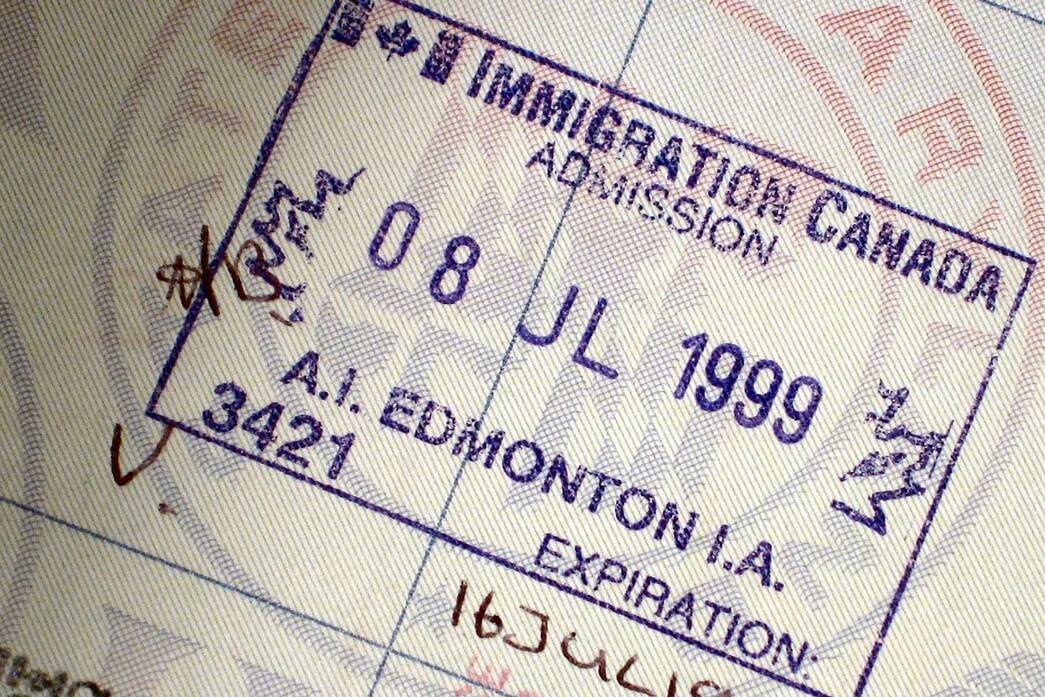
The conversation around immigration in Canada is shifting
Canada has long been an immigrant nation, starting more than four centuries ago when the first European settlers arrived on what many Indigenous Peoples call Turtle Island. Today, Canada stands out as having one of the most ethnically diverse populations on the planet.
November 3, 2023

The shift to working from home will be difficult to reverse
The onset of the COVID-19 pandemic triggered a sudden disruption of everyday life. While many things are back to the way they were before, one change has proven harder to reverse: working from home.
July 11, 2023

Canada is sorry – a lot. We shouldn’t apologize for that
A lighthearted stereotype of Canadians holds that we’re prone to apologizing, and under an absurdly broad array of circumstances. When someone steps on the toes of a Canadian, the joke goes, it’s the Canadian who will say sorry.
June 30, 2023
June 30, 2023indigenous peoples,canadian identity,racism,social change,michael adamsInsight
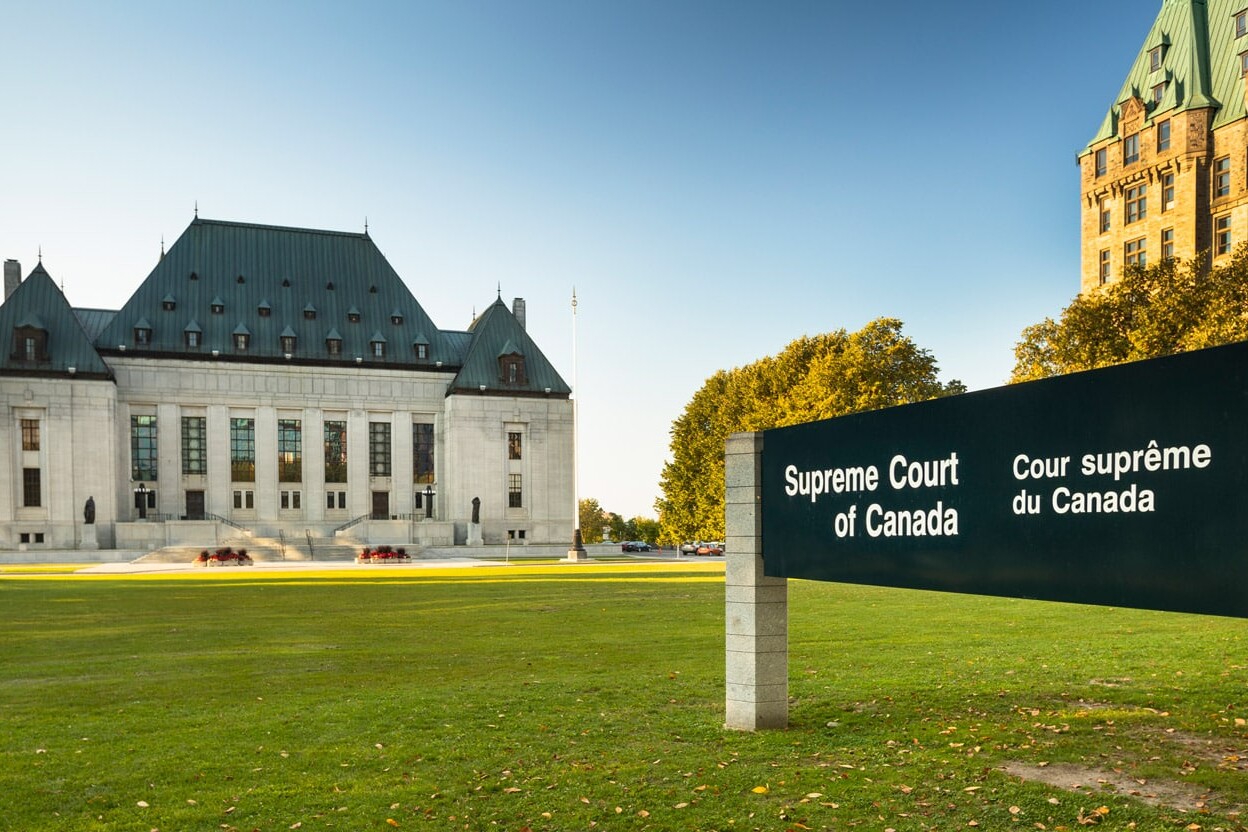
‘Notwithstanding’ support for the Charter of Rights, there’s work to do
While Canada’s history has been marked by divisive constitutional disputes, one part of the Constitution brings us together: the Charter of Rights and Freedoms. The Charter is seen by more people as being very important to their identity as Canadians than any other institution or symbol. It is held in high esteem in every region of the country, including Quebec.
May 29, 2023
May 29, 2023federalism,politics,canadian identity,social change,religionInsight

Is one region favoured by Ottawa?
Discussions of how Canadians view their federation inevitably zero in on regional differences. Western Canadians are alienated, Quebecers are nationalist, Atlantic Canadians feel overlooked and Ontarians are more or less oblivious.
May 23, 2023

How to build a safer Toronto
A series of attacks in Toronto — many occurring within the public transit system — has shone the spotlight on the issue of crime and safety in the city. As we search for solutions, we should start by thinking about who among us feels more vulnerable.
April 2, 2023

Don’t overlook the role that schools and teachers play in welcoming refugees to Canada
A series of attacks in Toronto — many occurring within the public transit system — has shone the spotlight on the issue of crime and safety in the city. As we search for solutions, we should start by thinking about who among us feels more vulnerable.
March 28, 2023

One issue on which Canadians aren’t polarized — the U.S.
It is easy to list the political issues that divide Canadians today. Leaders and parties stand far apart on what to do about health care, climate change and firearms, to name but a few.
March 13, 2023
March 13, 2023politics,canadian identity,united states politics,values,michael adamsInsight

Canada must continue to modelling its refugee efforts on its response to the Syrian crisis
The arrival of Syrian refugees in Canada a few years ago is a well-known “feel-good” story. Images of Justin Trudeau greeting refugees at the airport and private citizens stepping up as sponsors are etched in the minds of many Canadians.
January 30, 2023
January 30, 2023immigration,multiculturalism,refugees,syria,michael adamsInsight

Canada needs a bolder approach to skills training
With labour unrest back in the headlines, it is reassuring to know there is at least one thing on which workers and bosses can agree: skills. In particular, both sides are on the same page when it comes to the type of skills needed to succeed in today’s economy.
January 26, 2023
January 26, 2023economy,survey on employment and skills,government roleInsight
The good and bad news from a public opinion researcher
Those of us who do public opinion research feel like we have the best seat in the house. The data we collect over the course of a year provide insights on how people are doing and what they are worried about.
January 18, 2023
January 18, 2023immigration,multiculturalism,federalism,canadian identity,values,youthInsight
The CPC needs to get back to bilingualism
Over the last 20 years, only two of the past seven federal elections have produced majority governments. Governing and opposition parties alike have struggled to grow their popularity with Canadians.
January 17, 2023
January 17, 2023federalism,politics,canadian identityInsight
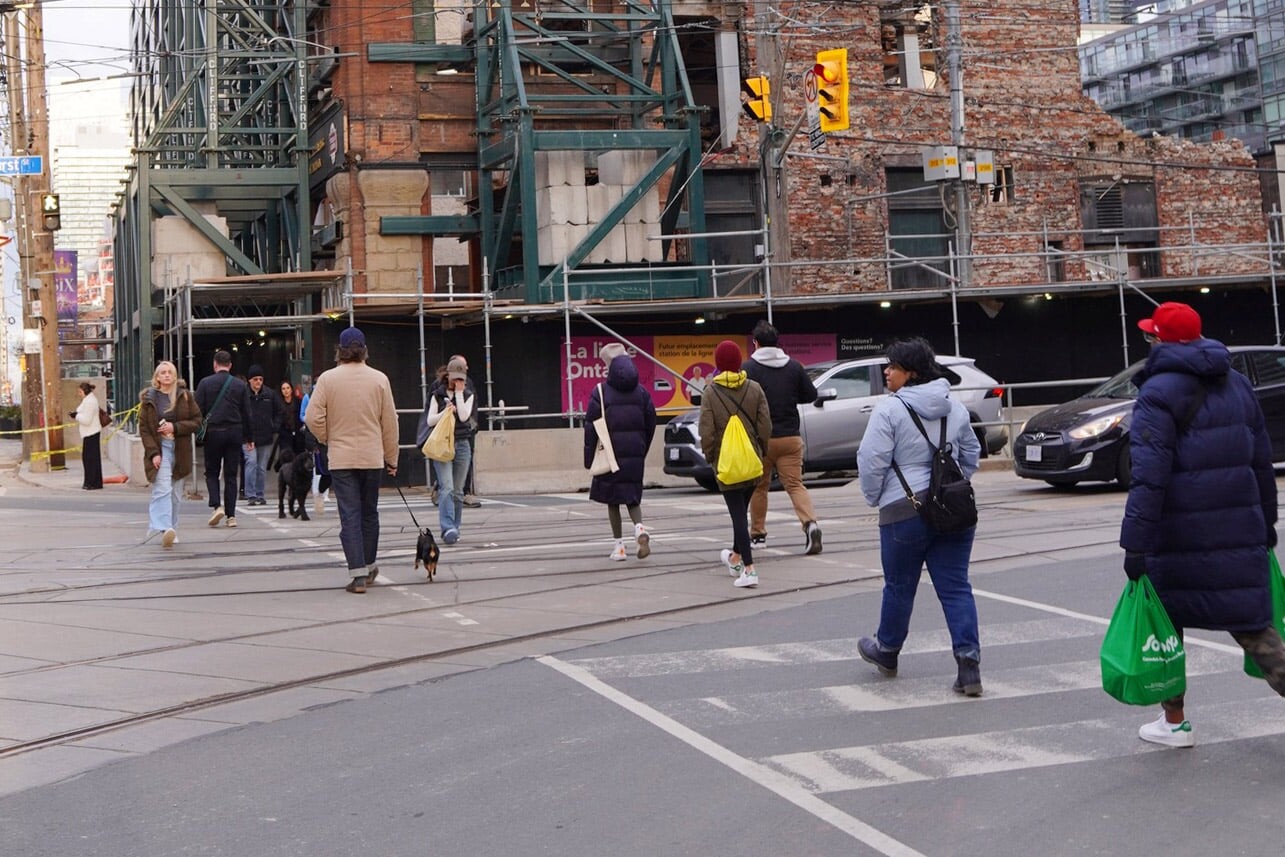
Canadians aren’t just adapting to diversity – there are data to show we’re embracing it
This past year offered Canadians plenty of reasons to question their national identity. The angry occupation of Ottawa last winter, on the edge of Parliament Hill, clashed with our stereotype of Canadians as polite compromisers.
January 1, 2023
January 1, 2023immigration,multiculturalism,canadian identity,racism,values,social change,michael adamsInsight
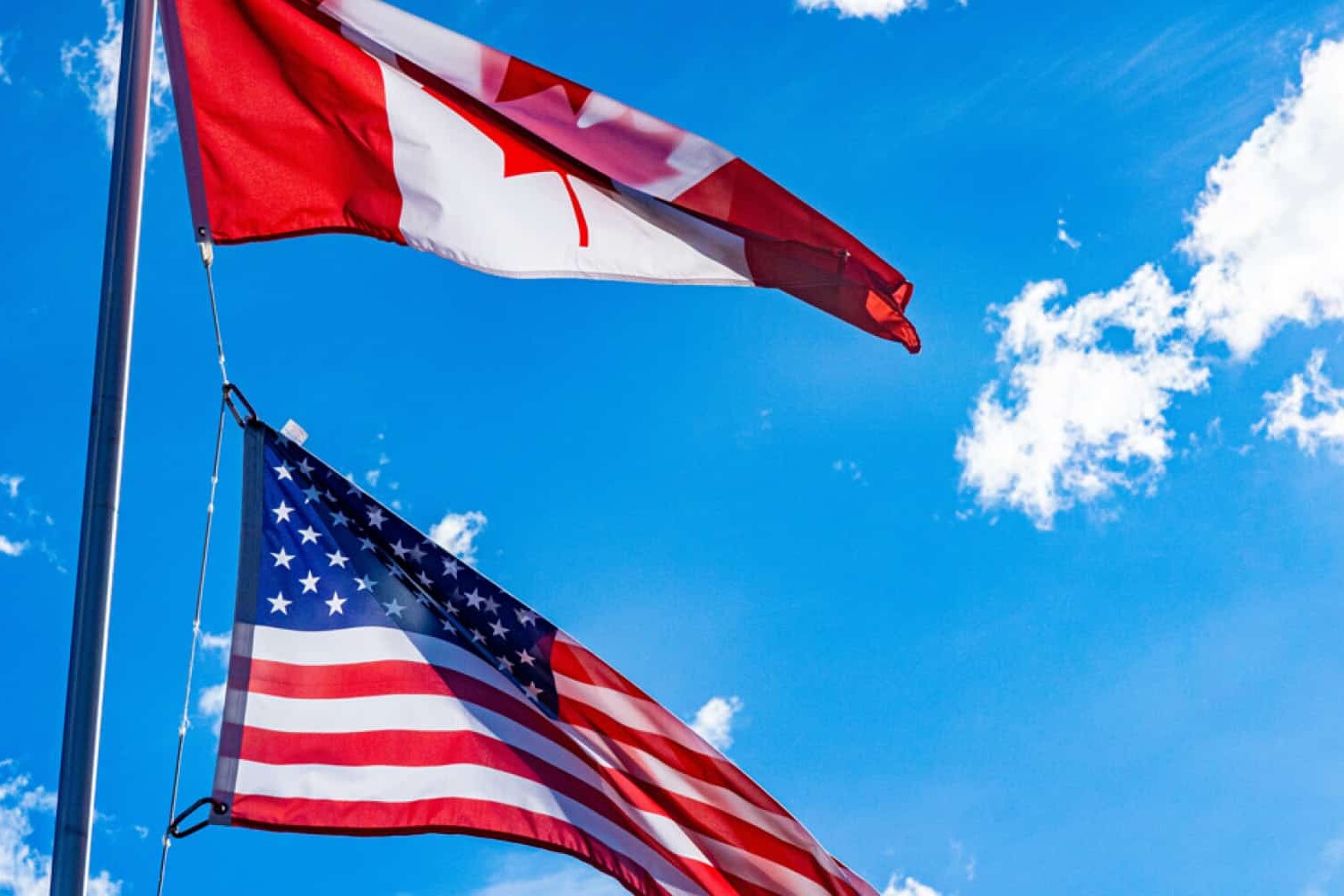
The differences between Canada and the U.S. remain significant
Political leaders in Canada benefit from our inevitable tendency to compare ourselves to the United States. No matter how bad things are here, there is a good chance they are worse there.
December 20, 2022
December 20, 2022politics,canadian identity,united states,values,democracy,michael adamsInsight

Surveys show Canadian are less polarized and angry than Americans
We are living in an era of populism and polarization. Our politics is divided and angry. And if anything is changing, it is changing for the worse. Or so we are often told.
December 16, 2022
December 16, 2022politics,canadian identity,united states,values,michael adamsInsight
New immigration targets essential for Canada’s economic prosperity
Canada is breaking records on immigration. The federal government recently announced increased targets for the next two years, with the intention to welcome a record 500,000 new permanent residents in 2025.
December 2, 2022
December 2, 2022immigration,multiculturalism,michael adamsInsight

Social isolation is a growing concern in Toronto
We surveyed more than 4,000 Torontonians to find out how they’re doing in the wake of the pandemic and what’s clear is a lot more of us are isolated.
December 2, 2022

Canadians need to keep talking about racism
Combatting racism is now firmly on the public agenda in Canada, reflecting an evolving acknowledgment of the systemic mistreatment of racialized people.
July 11, 2022

Forget Ottawa — Albertans growing alienated from their own leaders, too
There is no shortage of new irritants in the relationship between Ottawa and the three Prairie provincial governments. In recent years they have faced off over the carbon tax, pipeline construction, energy exports, federal spending and vaccine mandates. Western alienation may have deep historical roots, but current events never fail to rejuvenate the sentiment.
June 3, 2022
June 3, 2022federalism,politics,canadian politics,democracy,albertaInsight
Are Canadians finally at peace with their Constitution?
After the optimism of the country’s centenary in 1967, one set of scholars published a group of essays entitled Must Canada Fail? In a similar fashion, the adoption of a new, made-in-Canada Constitution in 1982 was met with another classic academic volume: And No One Cheered.
April 22, 2022
April 22, 2022confederation of tomorrow,politics,canadian identity,values,democracyInsight

Québécois et Canadiens ont-ils fait la paix avec la Constitution?
Plus de 25 ans après le référendum de 1995 sur la souveraineté et à la veille du 40e anniversaire du rapatriement de la Constitution, il peut être facile d’oublier que, du début des années 1960 à la fin des années 1990, débattre des lois fondamentales au Canada était presque devenu un sport national.
April 16, 2022
April 16, 2022confederation of tomorrow,federalism,politics,canadian identity,democracyInsight

Here’s how we can stop sick people from going into work
Our survey finds that, prior to the pandemic, one in two Canadians who woke up on a workday feeling a little sick would have gone into work anyway. And a lack of paid sick days is not the main reason why.
February 22, 2022
Young adults have been hit hard by the pandemic. The recovery must not leave them behind
After the optimism of the country’s centenary in 1967, one set of scholars published a group of essays entitled Must Canada Fail? In a similar fashion, the adoption of a new, made-in-Canada Constitution in 1982 was met with another classic academic volume: And No One Cheered.
February 14, 2022

We’re witnessing the continuing cultural divergence of Canada and the United States
Almost a year ago, Canadians tuned in to watch one of the scariest reality TV shows ever produced: early 21st century American politics. On Jan. 6, thousands of radicalized, ill-informed Americans stormed the Capitol building to disrupt the certification of the results of the presidential election.
January 2, 2022
January 2, 2022canadian identity,social values,united states,values,michael adamsInsight
Public opinion in Canada has been shifting, but not because of the pandemic
Everything has changed. Work, school, shopping, travelling. Visiting loved ones, whether we can hug them. Each time we think this might soon be over, the COVID-19 case numbers rise again and the light at the end of the tunnel slightly dims.
December 29, 2021

What if we keep working from home?
Millions of Canadians are now well into their second year of working from home. As the COVID-19 pandemic hit, non-essential employees began working from their couches, kitchens and bedrooms, hopping virtually from one endless video meeting to another.
December 6, 2021
Who voted for the People’s Party of Canada?
At first glance, the 2021 federal election appears to have changed very little. Each party was returned to the House of Commons with about as many seats as it had previously held.
November 16, 2021
Canadians are waking up to the reality of racism. Now is the time for leaders to act.
The past two years have witnessed a transformation in the national conversation about race in this country. Within this relatively short span of time, the tragic murder of George Floyd in Minneapolis has crystalized the issue of anti-Black racism and the excessive use of force by polic
November 11, 2021
November 11, 2021racism,government role,michael adamsInsight

A fresh look at the reasons why women and men are self-employed
The retention of women in the labour force has emerged as one of the most pressing concerns of the post-pandemic recovery. At the height of the pandemic in June 2020, Finance Minister Chrystia Freeland stated, “I think it would be fair, as some economists say, to describe the recession we are currently experiencing as a ‘she-cession.’”
October 25, 2021
50 years of multiculturalism
On Oct 8, 1971, then-Prime Minister Trudeau announced multiculturalism as an official government policy. On the 50th anniversary of the announcement, Canadian Geographic is publishing five essays that explore the theme. T
October 7, 2021
October 7, 2021immigration,multiculturalism,canadian identity,values,michael adamsInsight

Having an election that changes nothing is not such a bad outcome after all
Immediate media reaction to the federal election result is divided. Those who count the seats won and lost see the status quo. Those concerned with the tone and tenor of our politics fear the election has left the country more divided than ever.
September 30, 2021

Canadians are still committed to decentralized federalism
There is never any shortage of reasons to track the ups and downs of regional grievances in Canada: Every year brings new developments that fuel perceptions of regional winners and losers.
September 28, 2021

Don’t let angry protestors fool you — Canadians still trust in our democracy
Certain truths seem self-evident: We are all created equal. The sun rises in the east and sets in the west. Our democracy is imploding under the strain of declining trust and increasing polarization.
September 20, 2021

Vaccine hesitancy is decreasing in Canada, but it’s too soon to celebrate
Since the start of the COVID-19 pandemic, we’ve all had questions about vaccines. Will a vaccine against COVID-19 be found? Will it be effective?
July 28, 2021

La reconnaissance du poids de l’histoire
Cette année, les Canadiens ont dû admettre plusieurs vérités dérangeantes. Nous n’avons pas su prendre soin de nos aînés durant la pandémie. Les Canadiens noirs ont raison de se méfier de la police.
July 2, 2021
July 2, 2021confederation of tomorrow,indigenous peoplesInsight
Private sponsorship is much more than a feel-good project
As we mark World Refugee Day this June 20th, the latest United Nations High Commissioner for Refugees estimates there are 82 million people worldwide who have been forced to flee their homes, including more than 30 million children.
June 19, 2021
June 19, 2021immigration,multiculturalism,canadian identity,values,michael adamsInsight

Greater inclusion is a win-win strategy for the recovery
The COVID-19 pandemic’s devastating effects on Canadians are plain to see. Countless families are struggling to cope with their grief over the loss of loved ones. Hospital staff are exhausted by their non-stop efforts to care for patients in intensive care.
June 10, 2021

A distinctive culture? The sources of public support for immigration in Canada, 1980-2019
Millions of Canadians are now well into their second year of working from home. As the COVID-19 pandemic hit, non-essential employees began working from their couches, kitchens and bedrooms, hopping virtually from one endless video meeting to another.
May 6, 2021
Intercultural relations and adaptation in Canada: The role of contact and discrimination
In this report, we seek to explain how and why intergroup contact works to improve intergroup relations, using a representative sample that included racialized and non-racialized individuals in Canada.
April 20, 2021

Can Canada engage in a significant constitutional change that leaves us more united?
The resignation of Canada’s governor general and the renewed in-fighting within the royal family have sparked a fresh round of reflection about Canada’s ties to the monarchy.
March 18, 2021
March 18, 2021politics,canadian identity,values,democracyInsight
Changing social norms is the key to addressing racism
When the COVID-19 pandemic began to spread in North America last March, it was hard to imagine anything else capturing a large share of public attention in the ensuing months.
February 6, 2021
February 6, 2021canadian identity,racism,values,michael adamsInsight
Ten trends that will shape events in 2021
Only a fool would set out to forecast events for 2021 considering the unexpected year we’ve had. But we can still reflect on how the events of the past 12 months have set the stage for what comes next.
January 4, 2021
COVID-19 changed everything, except Canada’s values of inclusiveness
While populists around the world have used the pandemic’s many upheavals to sow fears against newcomers, Canada might never have been more sure of its broadly welcoming spirit than now.
January 4, 2021
January 4, 2021canadian identity,COVID-19,values,michael adamsInsight
Canadian governments must not squander their most precious resource in the fight against COVID-19
Since the start of the COVID-19 pandemic, governments in Canada have benefitted from remarkable public goodwill.
December 1, 2020
December 1, 2020immigration,multiculturalism,social capital,government role,democracyInsight

Are the robots coming for our jobs?
Are the robots coming for our jobs? For years, that’s been the fear. Experts have warned that automation and artificial intelligence will disrupt the labour market.
November 3, 2020
November 3, 2020economy,artificial intelligence,survey on employment and skills,automationInsight
Thanks to Quebec millennials, another referendum isn’t looming
Some observers say Canada has never been more divided than it is today. They’re wrong. Oct. 30 marks the 25th anniversary of Quebec’s second referendum on sovereignty.
November 3, 2020
November 3, 2020federalism,youth,millennials & genz,michael adamsInsight

New survey shows Canadians want lasting change to accompany economic recovery
Whoever pens Wednesday’s speech from the throne has no shortage of topics and suggestions to choose from. Pundits on both the left and the right have not been shy about sharing their favourite ideas.
September 25, 2020
September 25, 2020economy,COVID-19,government role,michael adamsInsight

A majority of Canadians support equalization – even in Alberta
This coming October will mark the 25th anniversary of the last Quebec referendum on sovereignty. Many Canadians, inside and outside the province, will celebrate by being thankful that we have finally put the era of constitutional plebiscites behind us.
September 25, 2020
September 25, 2020confederation of tomorrow,federalism,economy,government role,albertaInsight
Millennial and Gen Z francophones don’t value Quebec nationalism
The year 2020 will forever be remembered for the COVID-19 pandemic, but it remains significant in other ways. Among other things, it marks 40th and 25th anniversaries of Quebec’s two referendums on sovereignty.
September 25, 2020
September 25, 2020confederation of tomorrow,federalism,youth,millennials & genzInsight

Canada is not the regionally divided country it’s made out to be
The one thing that the October 2019 federal election appeared to make clear was just how regionally divided the country had become. The Liberals were shut out of Alberta and Saskatchewan, the Conservatives fared almost as poorly in Toronto and Montreal, and the sovereigntist Bloc Québécois rebounded to form the third largest party in the House of Commons.
July 22, 2020
July 22, 2020confederation of tomorrow,environment,federalism,politicsInsight

Yes Canada, we too have an anti-Black racism problem
The anguish and confrontations spreading across the United States in response to the killing of George Floyd, a Black man, by a white police officer have captured the attention of news audiences in that country and around the world.
June 11, 2020

As the economy restarts, Canada needs to focus on those hardest hit by the pandemic
The COVID-19 pandemic triggered a sudden reversal of Canada’s employment picture: sliding from enjoying one of the lowest unemployment rates in decades to job loss or underemployment for millions of Canadians.
June 4, 2020
June 4, 2020COVID-19,survey on employment and skills,government roleInsight

All together now?
Data from the 2018 Wellcome Global Monitor, a major study of attitudes to science and health conducted by Gallup in 140 countries, shows that most people worldwide trust scientists, and trust a doctor or nurse for health advice over other sources, such as family, friends or religious leaders.
May 21, 2020
May 21, 2020COVID-19,government role,democracy,michael adamsInsight

Coronavirus will not dent the trust Canadians have in each other
In just a few days, we went from wondering how COVID-19 would affect us to finding ourselves in the midst of a national emergency. Many expect major disruptions to expose the weak patches in our civic fabric, and there have been, and will continue to be, actions and episodes that have disappointed and shocked.
March 19, 2020
March 19, 2020COVID-19,social capital,democracy,michael adamsInsight

The shifting lens through which Canadians see the Wet’suwet’en crisis
Canadians don’t just want things to get back to normal; they want things to get better. The country has moved on from where it was in 1990.
March 3, 2020
Satisfaction with Canada’s democracy declines significantly in Alberta
A functioning democracy depends on the support of its citizens. The popularity of specific leaders and political parties may rise and fall, but ideally without affecting the extent to which citizens are satisfied with the political system and have trust in its core institutions, including the executive, the legislature and the judiciary.
February 12, 2020

Canadians: richer than they think
Americans don’t often talk about Canada, except when they need a foil in a political debate. Bernie Sanders has praised our health-care system. Gun-control advocates point to radically lower rates of firearms fatalities north of the border.
February 7, 2020
February 7, 2020politics,economy,united states,michael adamsInsight

In Canada, education excellence is also about equity
Functional families celebrate their members’ achievements – be they graduations from school, promotions at work, or personal bests in weekend pursuits.
January 8, 2020
January 8, 2020education,government role,michael adamsInsight
Are Canadians ready to confront racism?
When racist incidents in Canada grab public attention, they usually provoke two reactions: general condemnation, and then a resolution to finally start a serious conversation about race relations in this country.
December 24, 2019

The real roots of Canada’s education test successes
As usual, the triennial report from the OECD’s Programme for International Student Assessment (PISA) – released in early December – brought a mix of good and bad news. Canada’s scores in reading, math and science are drifting downward over time; this is the bad news.
December 24, 2019
Achievement and equity in education in Canada: an update
On December 3, the OECD released the results of the 2018 PISA assessment of students around the world. The Council of Ministers of Education, Canada released the results for the ten provinces.
December 3, 2019
Let’s not get too smug about public attitudes on immigration
Many international commentators have been impressed by the strength of public support for immigration in Canada. At a time of considerable backlash elsewhere, Canada has actually been increasing its annual immigration intake.
October 17, 2019
October 17, 2019immigration,multiculturalismInsight,Presentation
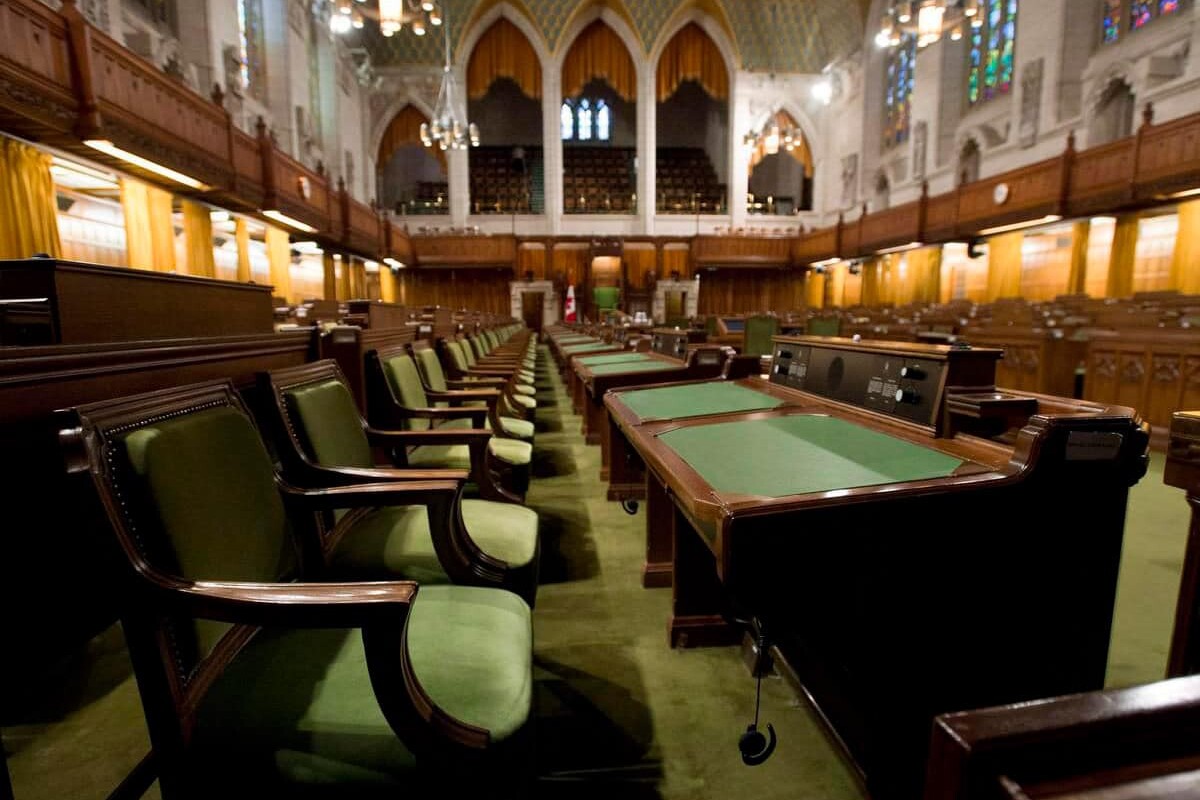
Voters need to be suspicious of all the magical promises from politicians
As the two most powerful parties promise that Canadians can have it all, without sacrifice, surely some voters have a sneaking feeling there’s something important they’re not being told.
October 2, 2019
Are Canadians losing confidence in their democracy?
There are few certainties heading into an election campaign; the outcome is up for grabs. The one thing many do feel certain of is that it is Canada's turn to be buffeted by the winds of populism.
September 12, 2019
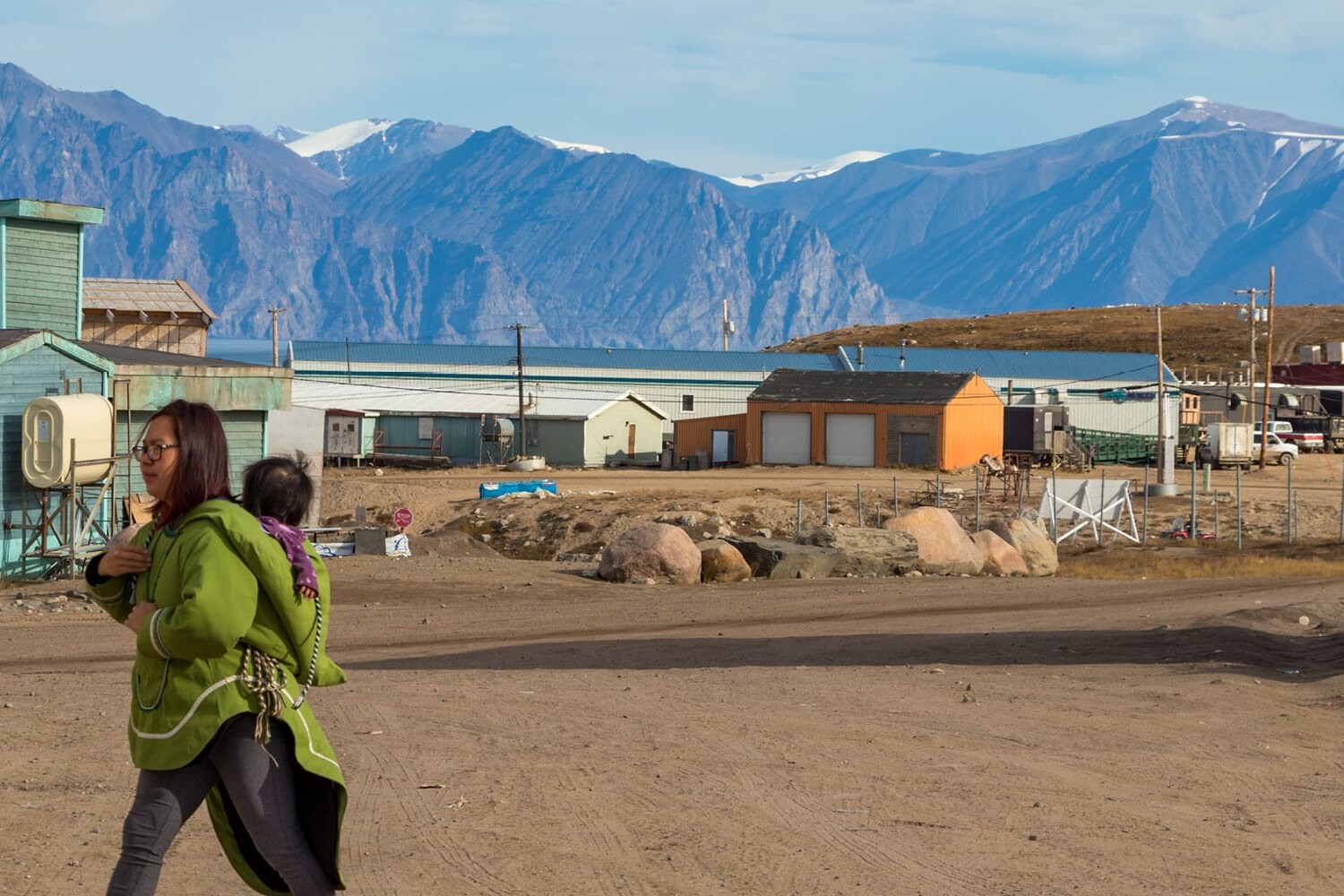
Real reconciliation in Canada might just be a matter of time
As recently as a few decades ago, most Canadians didn’t look kindly on sexual diversity. In 1987, just one in ten approved of “homosexuals.” While fewer than one in five thought a job applicant’s race (18%) or religion (14%) mattered, 44 percent believed homosexuality should be taken into account.
August 4, 2019

Most Canadians don’t want a province-first approach to climate change
The issue of climate change, and how best to address it, is one that activates a number of society’s underlying fault lines, be they ideological, regional or even generational. In a federation such as Canada’s, however, there is an additional dynamic at play, namely views on the practice of federalism itself.
July 16, 2019

Youth see hope for reconciliation but it will take work
There have been many expressions of goodwill toward reconciliation since the release of the Truth and Reconciliation Commission Calls to Action in 2015.
July 14, 2019

The authoritarian reflex: Will it manifest in Canada?
A wave of authoritarian populism has been evident in Europe, Britain and the United States over the past few decades. Many Canadians are wondering how these energies might manifest in their own country’s upcoming federal election.
June 15, 2019
June 15, 2019politics,canadian identity,social values,values,michael adamsInsight
Canadians confident we can resolve regional differences
The political differences across the country – on issues ranging from energy and the environment to immigration and the best way to create jobs – sometimes leave the impression that the country is hopelessly fractured.
April 30, 2019
To maintain support for immigration, plug the leaks
A poll released this week by the Environics Institute for Survey Research found that nearly half of Canadians said immigration makes the country a better place. A third said it makes no difference. Fewer than one in six said immigration makes Canada worse off.
April 3, 2019
April 3, 2019immigration,multiculturalism,government roleInsight

The case for Canadian-Jewish exceptionalism
People who think the non-religious Jewish Diaspora is dissipating can cite numerous tendencies to support their belief.
March 17, 2019
Canada’s opinion of the US at unprecedented low
It’s rare for pollsters to be able to use the word “unprecedented” to describe survey results unless they’re releasing their first poll – or giving in to the temptation to use hyperbole to get attention. But a recent Environics Institute survey has indeed revealed some unprecedented results.
November 21, 2018
November 21, 2018politics,canadian identity,united states,valuesInsight
Ahead of a federal election, what road will Conservatives take on immigration?
On the surface, the contrast between Canada and the United States on immigration is sharp. U.S. President Donald Trump was recently warning of an “invasion” by a group of migrants crossing Mexico on foot, even going so far as to send troops to the border in a theatrical flourish just ahead of the mid-term elections.
November 18, 2018
November 18, 2018politics,canadian identity,values,michael adamsInsight
Does father know best? Canadian views – thankfully – continue to evolve
No socio-cultural change in North America has been more consequential over the past century than changes in attitudes and expectations related to the role and status of women in society.
October 8, 2018
October 8, 2018politics,canadian identity,social values,united states,values,michael adamsInsight
Multiculturalism doesn’t divide. It encourages belonging
Maxime Bernier has argued that multiculturalism is a divisive policy that encourages Canadians to identify with their own “tribes” at the expense of their wider society.
September 13, 2018
September 13, 2018immigration,multiculturalism,canadian identity,values,michael adamsInsight

Does a Bernier Party stand a chance in Canada?
An estimated 25,000 people have crossed into Canada from the United States at irregular crossings, seeking refugee status and reportedly fearing deportation by the Trump administration to dangerous home countries.
August 29, 2018
August 29, 2018immigration,multiculturalism,politics,canadian identity,values,michael adamsInsight

Canadians’ confidence in their national institutions holding steady
It seems that in just a few short years the world has become much less certain and stable. In particular, we have seen the destabilization of democratic institutions and political norms.
August 2, 2018

Three ways that Toronto could become more autonomous from Ontario
In 1999, Canadian philanthropist Alan Broadbent gathered smart-minded thinkers about Toronto—three former mayors, several former city councillors, influential urbanist Jane Jacobs, as well as local journalists, academics, and business leaders—for a two-day conference around the matter of the evolution of Canada’s largest city.
July 31, 2018
The polling that matters comes after the election
Another provincial election has come and gone in Canada, and once again pre-election polling is coming under scrutiny for not getting it right. What used to be a predictable track record of accuracy in measuring voter support leading up to election day has now become anything but predictable or seemingly accurate.
June 11, 2018

Two Toronto men on what it is to be a man
News of two exceptional Toronto men has reached every corner of the world. One of the young men, who reportedly struggled to establish successful social relationships, especially with women, mowed down 25 pedestrians, killing 10, on Yonge Street last Monday.
May 2, 2018
May 2, 2018social values,gender inequality,michael adamsInsight
Canadian exceptionalism in attitudes toward immigration
Xenophobic retrenchment has been evident in many societies lately. Anti-immigrant parties have made or consolidated gains in countries such as Hungary, Germany, the Netherlands and, most recently, Italy.
April 2, 2018
April 2, 2018immigration,multiculturalism,michael adamsInsight

What Canada can teach the US about immigration?
America is deeply divided on issues related to immigrants and refugees, while in Canada, which accepts larger proportions of newcomers, there is a general consensus in the country over the issue.
March 27, 2018
March 27, 2018immigration,multiculturalism,united states,michael adamsInsight

Why gun control is a lost cause in America
Cultures have their own myths, institutions and trajectories. Some things have changed in America, as in other societies: slavery was abolished, women got the vote, same-sex marriage was allowed.
February 28, 2018
February 28, 2018politics,canadian identity,social values,united states,values,michael adamsInsight
Bricker and Ibbitson on populism: What about Canada?
Darrell Bricker and John Ibbitson - in their February 10 Globe and Mail commentary - get it half right when they say the current tsunami of populism in western countries is largely an expression of cultural, as opposed to economic, insecurity.
February 13, 2018
February 13, 2018politics,canadian identity,social values,values,michael adamsInsight
Ontario PC race a battle between pragmatists, populists
As Carleton University political scientist Jonathan Malloy wrote in a recent Globe and Mail opinion piece, Ontario's Progressive Conservative party is a house divided.
February 12, 2018

Sanctuary Cities: Why it’s harder for Trumpism to take root in Canadian cities
In early 2007, former New York mayor Rudolph Giuliani led the pack of would-be Republican nominees for president – but some worried he was “too metropolitan” for heartland voters.
January 20, 2018
January 20, 2018canadian identity,social values,united states,values,social change,michael adamsInsight

The growing diversity within federal ridings
Data on immigration and ethnocultural diversity from the 2016 census show that many Canadian communities now have a larger percentage of visible minority residents than they did in 2011. Of the 338 federal ridings in Parliament, 41 have populations where visible minorities form the majority, compared with 33 five years earlier.
December 15, 2017
December 15, 2017immigration,multiculturalism,politicsInsight

Democracies are stronger than you may think, but Canada not all that exceptional
Populist, anti-government sentiment continues to surge in many countries with democratically-elected governments — most recently with the emergence of Andrej Babis, the new anti-establishment leader of the Czech Republic.
November 9, 2017
November 9, 2017social capital,democracy,civic engagement,michael adamsInsight

Let’s not dismiss the painful pattern of microaggressions
The resignation of University of Toronto emeritus history professor Michael Marrus from a senior fellowship at Massey College has provoked discussion far beyond the College.
October 11, 2017
October 11, 2017racism,black experience project,lived experience,michael adamsInsight
Quebec’s secularism reigns supreme
Like Bill 101, Quebec's (in)famous language law, Bill 62 is likely to be remembered for a long time, both within Quebec and elsewhere in the country.
October 9, 2017
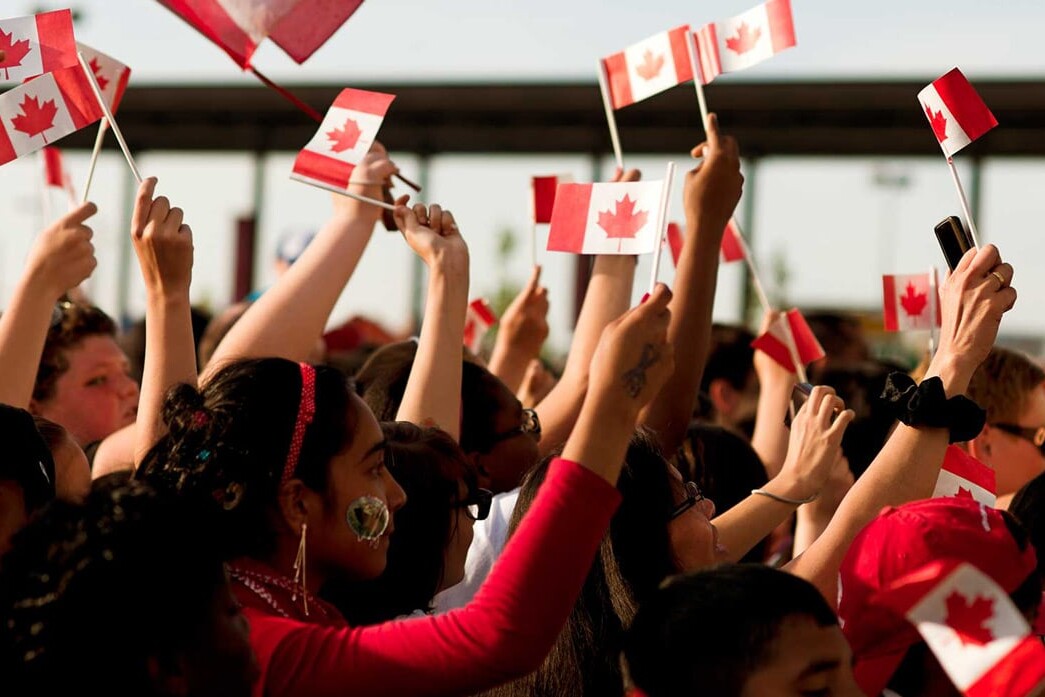
It’s not happening here – Canadians keep faith in their democracy and government
In his new book, The Retreat of Western Liberalism, Edward Luce points to the spreading anti-government sentiment and populism (most boldly typified by Donald Trump and Brexit) as symptoms that now threaten a collapse of the world order of democracy and reason.
July 3, 2017
July 3, 2017social capital,government role,democracy,michael adamsInsight
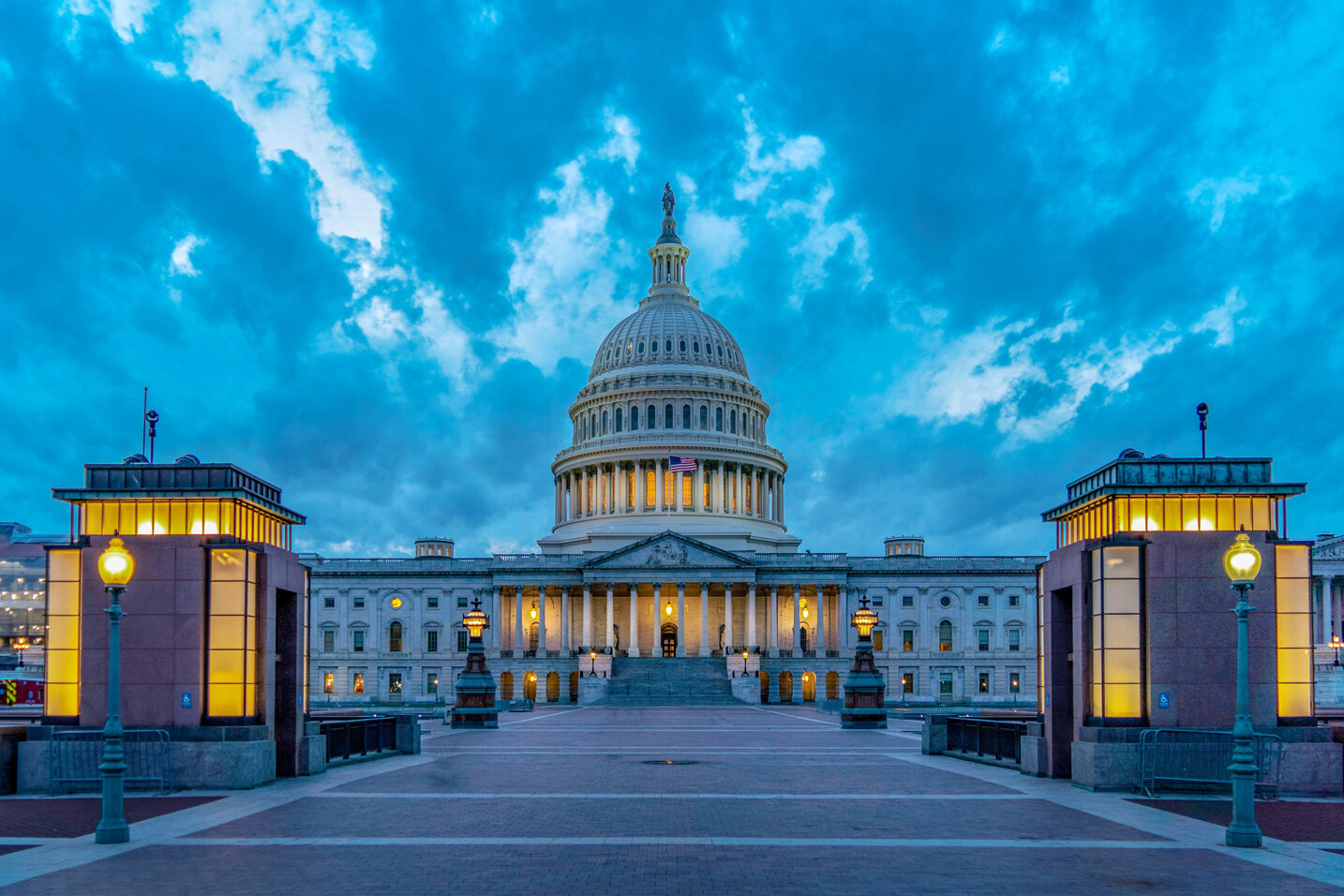
Trump, Trudeau and patriarchy
As icons of masculinity, it would be hard to find a more vivid contrast than that between US president Donald Trump and Canadian prime minister Justin Trudeau.
May 27, 2017
May 27, 2017canadian identity,social values,united states,values,michael adamsInsight
As many turn away from immigrants, Canada continues our embrace
Although mass migration has been happening for decades, in recent years the flight of refugees from conflict zones in Africa and the Middle East has produced striking images of desperate people searching for a safe place to land.
October 25, 2016
October 25, 2016immigration,multiculturalism,canadian identity,values,civic engagement,michael adamsInsight
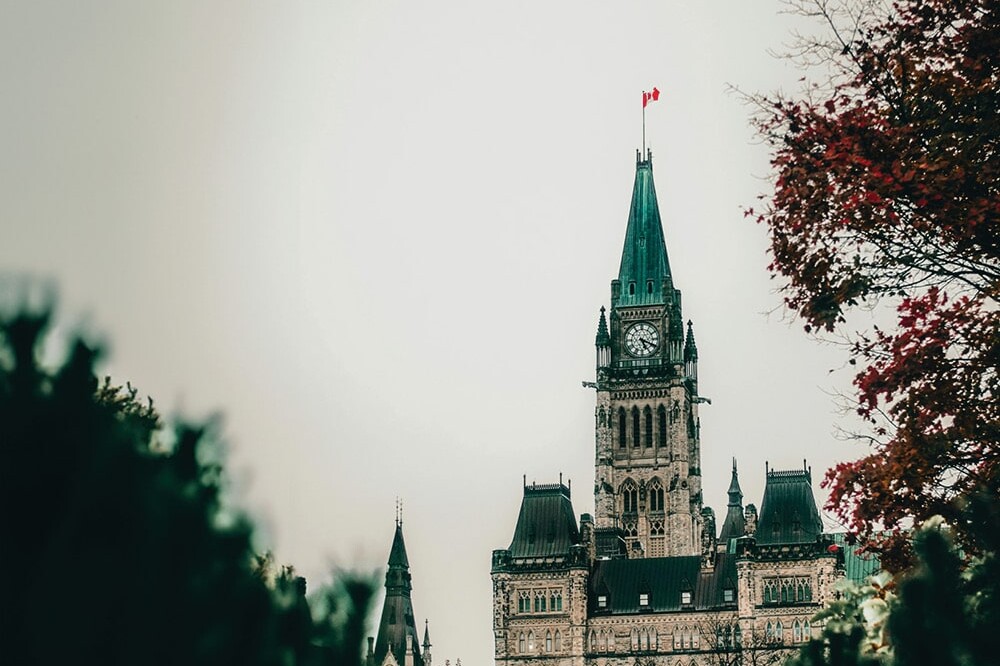
No consensus on electoral reform in sight but Canadians still believe their democracy works
Our world is changing rapidly, due in large part to fundamental and often disruptive transformations brought about by the globalization of economic production, finance and the migration of people, as well as the digital revolution and rapidly evolving social values.
September 8, 2016
September 8, 2016indigenous peoples,public opinion research,government role,democracy,michael adamsInsight
The real threat: Immigrants in Canada or Kellie Leitch’s divisive politics?
Conservative leadership hopeful Kellie Leitch attracted attention last week with a proposal to screen would-be newcomers to Canada for "anti-Canadian values."
September 6, 2016
September 6, 2016immigration,politics,values,michael adamsInsight
Trudeau channels Liberal values perfectly
Even as most of us are glued to America's rancorous election, some Canadians--notably committed Conservatives and New Democrats--are charged with choosing leaders whose ideas and personal identities will rally current supporters and even attract some new ones.
July 14, 2016
July 14, 2016politics,canadian identity,social values,values,michael adamsInsight
The door to reconciliation is truly open
Indigenous issues in Canada have been prominent in the news over the past few years. The Idle No More movement, the Truth and Reconciliation Commission (TRC), and the Trudeau government's initiation of a public inquiry into missing and murdered indigenous women have each helped to bring mainstream attention to long-standing concerns of First Nations, Métis, and Inuit peoples.
June 8, 2016
June 8, 2016indigenous peoples,racism,government role,michael adamsInsight

Why Muslims are proud Canadians
On any given day, Canadians might wake up to a range of news stories related to Muslims in Canada. Most recently, it might be a story about Muslims and non-Muslims working together to welcome some of the 25,000 Syrian refugees who have arrived here in recent months.
April 28, 2016
April 28, 2016immigration,multiculturalism,racism,religion,michael adamsInsight
Take pride that Parliament reflects the face of Canada
"Because it's 2015," was Justin Trudeau's memorable response to a reporter's question about why he had made it a priority to have gender parity in his cabinet. The composition of the 42nd Parliament suggests that Canadians agree with their new Prime Minister that as one of the world's most diverse countries approaches its 150th birthday, the identities of its political representatives should match the identities of its population.
January 13, 2016
January 13, 2016immigration,multiculturalism,politics,democracy,civic engagement,michael adamsInsight

Distinct societies: Why Canada, US diverge on Syrian refugees
Two-thirds of Canadians (65%) support the Liberal government’s promise to bring 25,000 Syrian refugees to Canada, according to a recent Nanos survey. About a third (34%) oppose the move either strongly or somewhat.
December 9, 2015
December 9, 2015immigration,multiculturalism,politics,united states,government role,michael adamsInsight
Are Canadians on-side with Trudeau in fighting climate change?
The 42nd federal election is now over, and the deconstruction of what it was really about will go on for some time. What is already clear is that the outcome was driven primarily by a growing desire for change after almost a decade of Conservative government.
November 27, 2015

Baby boomer generation’s spending will reflect their values
Baby Boomers have left their mark on society at every stage of life, from their stampede through the education system to the “echo boom” they produced in their own fertile years. Now, as they move into the second half of their adult lives, they will make their presence felt again—and not only by their sheer numbers but with the manifestations of their values.
November 7, 2015
November 7, 2015social values,social change,lived experience,michael adamsInsight

Why politicians fixate on the ethnic vote
As this year’s federal election approaches, the Conservative government is increasingly crystallizing its offer to voters around a single promise: security. The economy has been removed from the party’s display window, replaced by the global fight against ISIS and its sympathizers, some abroad, some next door.
October 17, 2015
October 17, 2015immigration,multiculturalism,politics,religion,michael adamsInsight

The deciding factor in this election was Canadian values
US Democratic Party strategist James Carville famously coined the phrase "It’s the economy, stupid" as the theme of Bill Clinton's successful 1992 presidential campaign.
October 9, 2015
October 9, 2015politics,canadian identity,values,government role,michael adamsInsight

Which conservative party will you vote for?
Many Canadians who will not vote Green will confide that they rather like Elizabeth May. She stands out as the only female party leader, and given her fourth-party status she can speak with a candour others won’t risk.
October 9, 2015
October 9, 2015politics,canadian identity,social values,values,michael adamsInsight
Listening In: What recent populist victories tell us about Canada
Societies have conversations with themselves. Sometimes these conversations are so noisy that everyone is forced to pay attention. In Canada, our noisiest conversations since World War II have been Quebec sovereignty and the War Measures Act.
June 30, 2015
June 30, 2015politics,government role,democracy,michael adamsInsight
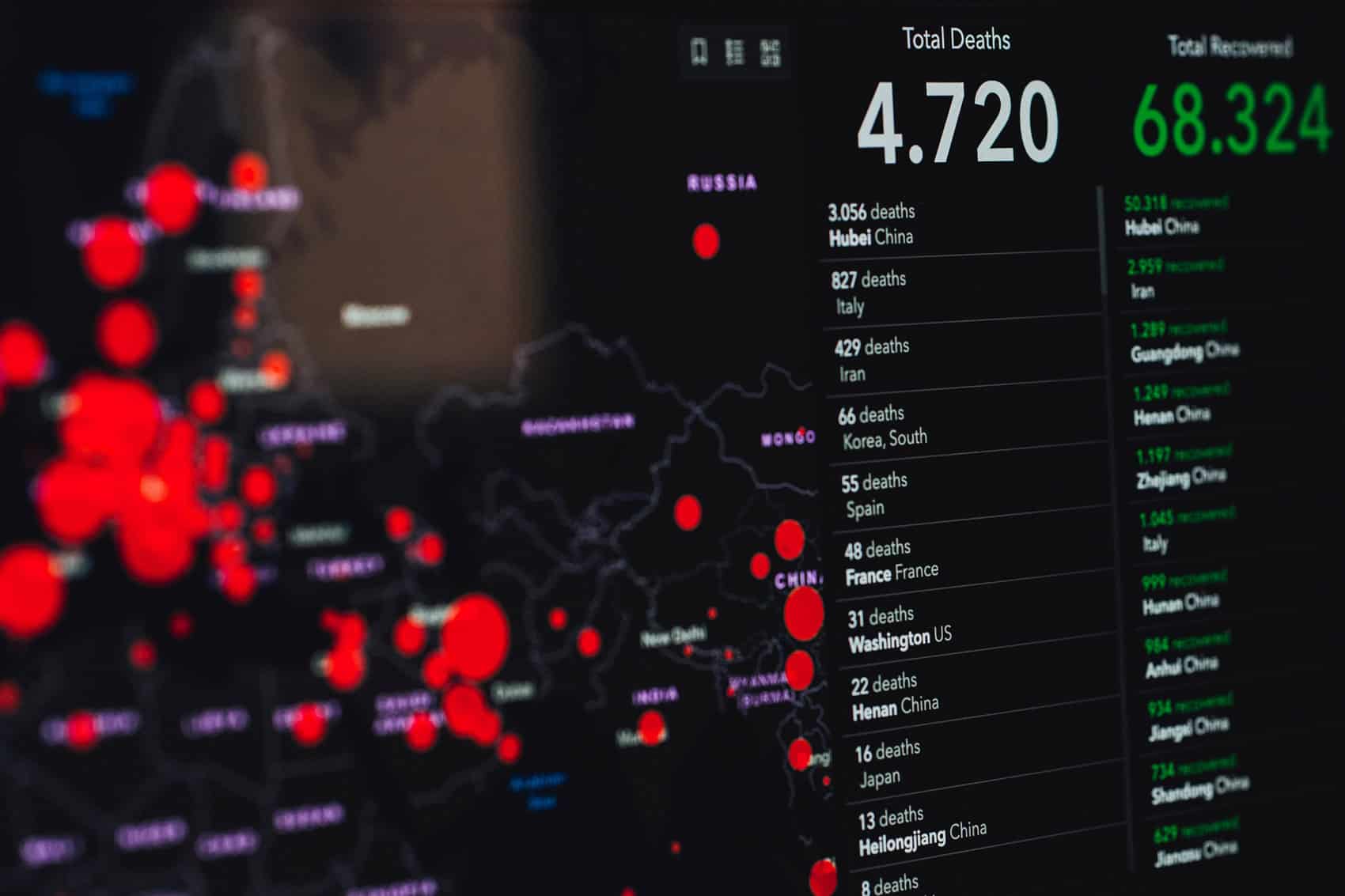
Putting the “public” back into public opinion and market research
One often reads in these pages about the many challenges facing marketing research today, but the industry overall is clearly alive and well. The most recent estimates of economic activity in 2013 totalled $600 million in Canada and over US$40 billion worldwide.
May 12, 2015

We support the war (for now)
Recent surveys have found Canadians to be supportive of Canada’s military deployment to Iraq and Syria to aid in the fight against ISIS.
April 19, 2015
April 19, 2015government role,foreign affairs,michael adamsInsight
Three ways Liberals and NDP can win over Conservative voters
As this year’s federal election approaches, the Conservative government is increasingly crystallizing its offer to voters around a single promise: security. The economy has been removed from the party’s display window, replaced by the global fight against ISIS and its sympathizers, some abroad, some next door.
April 6, 2015
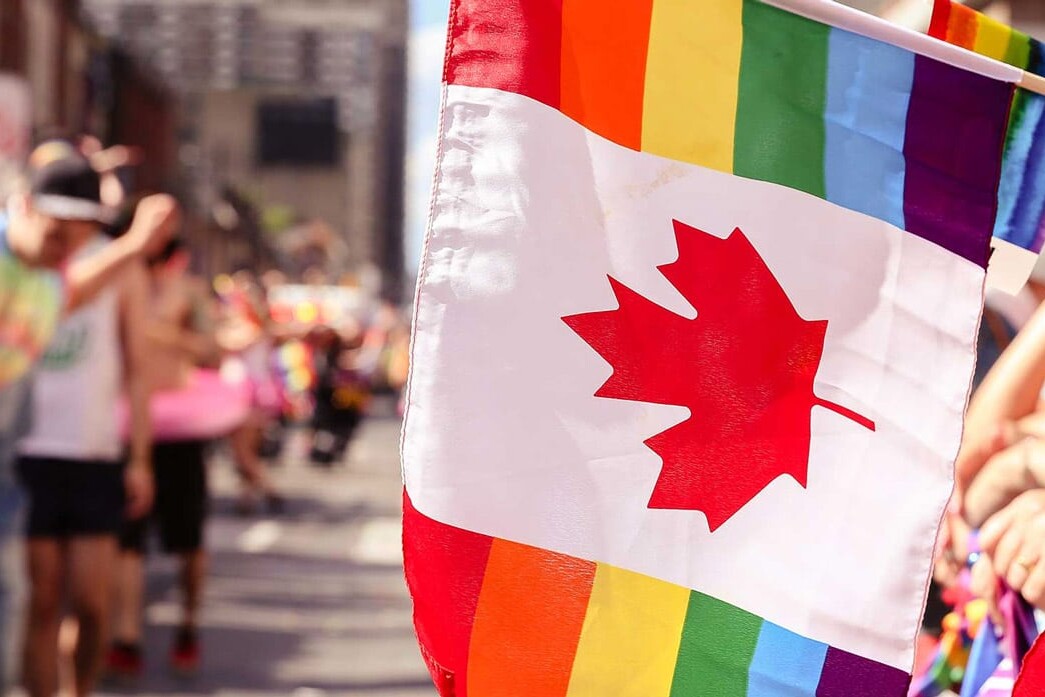
Counterpoint – Harper has not shifted Canadians’ opinions
What has Stephen Harper done to Canada? To some, that‟s a rueful, rhetorical question. To them it‟s obvious: this government has changed the country drastically and for the worse.
February 7, 2015
February 7, 2015politics,canadian identity,values,government role,michael adamsInsight
Many Canadians aren’t voting. Have they stopped caring about democracy?
It wasn’t long ago that Canadians voted in large numbers. Just a few decades ago it was normal to see turnout rates for federal elections in the mid-70s.
February 7, 2015
February 7, 2015democracy,civic engagement,michael adamsInsight

What might success look like for young Aboriginals?
The past year has been an eventful one for aboriginal peoples in Canada. The tragedy of violence against aboriginal women has finally been forced onto the national agenda, thanks in large part to the Native Women’s Association of Canada’s insistent counting of victims.
December 29, 2014
December 29, 2014indigenous peoples,education,lived experience,michael adamsInsight
There’s now a Canadian consensus: It’s time for action on climate change
As global warming emissions reach record-breaking levels, Canada’s environment minister will join world leaders in Lima, Peru, next week for the latest round of UN talks on an action plan to fight climate change.
December 3, 2014
December 3, 2014environment,government role,climate changeInsight

Crime and populism
Over the past eight years, the federal Conservatives have seldom missed an opportunity to show Canadians how seriously they take crime and how eager they are to make convicted offenders sorry for their transgressions.
December 3, 2014
December 3, 2014politics,government role,michael adamsInsight
Canada’s do-it-yourself foreign aid
Recent numbers from the World Bank remind us that the worldwide flow of remittances – the money immigrants send back to their countries of origin – is astounding. In all, international migrants were responsible for the movement of an estimated U.S. $529-billion in 2012.
March 28, 2014
March 28, 2014government role,foreign affairs,michael adamsInsight

Are immigrants natural conservatives?
When U.S. President Barack Obama won 71 per cent of the Hispanic vote in 2012, it dealt the final blow to an idea that had been popular during George W. Bush’s years: that Hispanic Americans’ conservative values on social issues (rooted in their predominantly Catholic religiosity), made them “natural” Republicans.
December 27, 2013
December 27, 2013immigration,multiculturalism,politics,social values,michael adamsInsight
The myth of conservative Canada
Much has been made of a purported rightward shift in Canadian values. But research shows that Canadians still want government in their lives, and a majority are not embracing conservative social values.
September 16, 2013
September 16, 2013politics,canadian identity,values,social change,government role,michael adamsInsight

The youth vote is key for today’s Trudeaus
Justin Trudeau, leader of a Liberal Party that many recent polls have found nudging ahead of the Conservatives, is fond of describing his growing army of young volunteers across the country.
August 26, 2013
August 26, 2013politics,social values,values,civic engagement,michael adamsInsight
Confessions of a homegrown sociologist
I’ve been committing sociology since my early youth. My parents and even my parish priest failed to detect early signs of trouble, even though I read the daily newspaper voraciously (a common warning signal among teenagers in the 1960s).
May 2, 2013
May 2, 2013canadian identity,values,role of research,michael adamsInsight

Canadians are ready for a carbon tax. Is anyone listening?
Climate change is once again emerging as a pressing global issue, and it is becoming increasingly clear that substantial actions will need to be taken. What to do?
March 11, 2013
March 11, 2013environment,government role,climate changeInsight
In Canada, the new solitudes are east vs. west
Growing up in the 1960s, we learned about Canada’s ‘two solitudes’ defining our national identity – and our national division – the French in Quebec and the English in the rest of Canada.
March 5, 2013

New American values
Why does demographic change matter to politics? Different demographic groups are not hard-wired to vote differently.
December 31, 2012
December 31, 2012politics,social values,united states,united states politics,michael adamsInsight
Justin time for the Liberals
Justin Trudeau has declared his candidacy for the leadership of a party has been desperately seeking a saviour for years. As one leader after another has failed to connect with Canadian voters, many Liberals have longed for "a new Trudeau."
October 22, 2012
Canadians are richer than they think
It seems every day Canadians awake to another sober message from a bank economist or cabinet minister – one part scolding, one part warning, all very serious. We are spending too much relative to our earnings.
June 30, 2012
June 30, 2012canadian identity,economy,values,michael adamsInsight

Hockey, fighting, and what it means to be a man
The first rule of fight club was don’t talk about fight club. The first rule of Canadian hockey seems to be never stop talking about it.
May 28, 2012
May 28, 2012canadian identity,values,social change,sports,michael adamsInsight
So happy, yet so restless in Alberta
After 41 years of Progressive Conservative government, Albertans appear to be in the midst of a political shakeup. The polls show a more competitive election than most would have expected even a few months ago.
April 19, 2012
April 19, 2012politics,canadian identity,economy,government role,alberta,income inequality,michael adamsInsight
Why embracing immigrants works for conservatives
In many countries, conservative political parties are seen as hostile to immigrants. Right-of-centre parties in the United States and Europe tend to be more nationalistic than their left-leaning counterparts, and this pride in country can sometimes manifest itself in xenophobia.
October 11, 2011
October 11, 2011immigration,multiculturalism,politics,citizenship,michael adamsInsight

Hockey’s still close to our hearts
The Canadian media have been almost obsessed with hockey these past couple of weeks. Although global events have occupied some of our attention, domestic matters (namely Sidney Crosby's concussion and Max Pacioretty's fractured vertebra) have forced reputedly peaceful Canadians to meditate on violence in our unofficial national sport.
March 16, 2011
March 16, 2011canadian identity,gender inequality,sports,michael adamsInsight
Polls pollute our democracy? Nonsense.
A few pollsters caused a stir recently when they suggested political polls are polluting Canadian democracy. The ensuing debate, which has bizarrely pitted pro-polling pollsters against anti-polling pollster-pundits, has largely been a tempest in a teapot.
February 25, 2011
February 25, 2011politics,role of research,michael adamsInsight
From compulsory to voluntary long-form census: What we stand to lose
In June, the federal government announced the discontinuation of the mandatory long-form census. This article attempts to answer the question, “What will Canada lose if the mandatory long-form census is permanently discontinued?”
November 30, 2010
November 30, 2010government role,role of research,michael adamsInsight
Let’s talk about Canadian citizenship
Canada’s successful approach to citizenship is being threatened by current trends in immigration policy.
October 29, 2010
October 29, 2010immigration,multiculturalism,government role,citizenship,michael adamsInsight
What a difference 50 years make
Anniversaries such as Canada Day are a good time to take stock of long-term changes in the lifestyles, attitudes and values that characterize our society. Incremental changes can seem matter of fact as they unfold in daily life, but their cumulative effects can be remarkable.
July 1, 2010
July 1, 2010canadian identity,social values,values,michael adamsInsight
Review: The Great Reset, by Richard Florida
American-born urban economist Jane Jacobs died in 2006. She was the thought leader and inspiration to a generation of Torontonians who celebrated diversity, density, vitality and livable neighbourhoods, who loved public transit and hated expressways and cars.
May 14, 2010
It’s time for us to work together with our Aboriginal neighbours
If someone asked you to describe all the important relationships in your life - to people, places, even to organizations and institutions - where would the federal government rank?
April 23, 2010
April 23, 2010indigenous peoples,canadian identity,lived experience,michael adamsInsight
Assertive action on climate change isn’t yet a bread and butter issue
The climate-change Olympics are still under way in Copenhagen, with each nation in attendance participating in a bizarre competition to see how well they can pronounce the party line on climate change while making the fewest concessions for tough actions back home.
December 9, 2009
December 9, 2009environment,government role,climate change,michael adamsInsight

Civic leaders are struggling to meet big-city challenges
Toronto Mayor David Miller might be the only prominent figure in history to leave a high-powered job claiming he wants to spend more time with his family - and actually mean it.
October 13, 2009
October 13, 2009government role,democracy,michael adamsInsight
The true measure of cross-border health
By now, you may have made the acquaintance of Shona Holmes, a woman from Waterdown, Ont., who says her life was almost cut short by the plodding, government-run health care system of her native Canada.
July 27, 2009
July 27, 2009united states,government role,health,michael adamsInsight

How America could out-Canada Canada
I grew up during a time when it was said that everything that happened in the United States would eventually come to Canada. For me, the most evocative annual illustration of this was the auto show at Toronto's Exhibition Place, where Detroit's latest contributions to mobility and status were put on display for aspirational Ontarians to drool over.
April 27, 2009
April 27, 2009canadian identity,united states,united states politics,government role,michael adamsInsight
And the person we admire most…
Like many people around the world, Canadians have been suffering for several months with a nagging chronic condition. The affliction is likely to flare up painfully in the coming weeks. The condition is Obama-envy, and the flare-up will be induced by the visit of the new President on Feb. 19.
February 9, 2009
February 9, 2009canadian identity,values,michael adamsInsight
How conservative are Canadians?
Prime Minister Stephen Harper and his team have expressed the desire to move Canada in an incrementally more conservative direction through successive Conservative governments.
October 7, 2008
October 7, 2008politics,canadian identity,values,government role,michael adamsInsight
Gay rights: You’ve come a long way, baby
In 1991, Tom Lukiwski stood in a campaign office in Saskatchewan, looked into a video camera and made some very derogatory remarks about gay men, to the giggling delight of whoever was filming.
April 10, 2008
April 10, 2008canadian identity,social change,discrimination,michael adamsInsight

The world Canadians see
It's the start of 2008. Do you know where Canada's international priorities are? When the Harper government took office in 2006, although its famous "five priorities" were all domestic, one of the goals that hovered around the edges of the Conservative agenda was to beef up Canada's role in the world.
January 2, 2008
January 2, 2008government role,foreign affairs,michael adamsInsight

We’re no bigots
'I have often regretted my speech, never my silence," the Greek philosopher Xenocrates said. One wonders whether, when the Bouchard-Taylor commission on reasonable accommodation has aired the thoughts of every Quebecer who chooses to take the microphone, the province (and indeed the rest of Canada) will feel satisfaction or regret.
November 21, 2007
November 21, 2007immigration,multiculturalism,canadian identity,racism,values,discrimination,michael adamsInsight
Surprise, Canadian pluralism is working
It's been nearly a year since Earthlings everywhere were informed that if they wished to stone women, imprison girls, and ruin Christmas, they had better not try any of this in Herouxville, Que.
November 20, 2007
November 20, 2007immigration,multiculturalism,michael adamsInsight

John Tory: well beyond the bland
Asked to state his political philosophy in a nutshell, long-serving Ontario premier Bill Davis famously said, "Bland works." For his Progressive Conservatives, it worked until 1985, when he made the surprise announcement that his government would extend public funding to Catholic schools through high school.
September 17, 2007
September 17, 2007education,religion,government role,michael adamsInsight
The Canadian conversation
Were you, like me, watching Quebec's election results pouring in last night, remembering Jacques Parizeau's denunciation of "the ethnic vote" in 1995 and anticipating that one of the defeated candidates might blame his ill-deserved fate on veiled Muslim voters - all 67 of them?
March 27, 2007
March 27, 2007immigration,multiculturalism,politics,canadian identity,values,michael adamsInsight
It’s not easy being green
In June of 1989, a remarkable thing happened. When Environics asked Canadians what they saw as the top problem facing the country, the most common answer was the environment.
October 20, 2006
October 20, 2006environment,social change,government role,climate change,michael adamsInsight
Quebec’s “winning conditions”
The members of the Parti Québécois have spoken, electing as their new leader a young, handsome, gay, and postcocaine André Boisclair, who has assured supporters a vote for him is a vote for a referendum " immédiatement" upon his moving across the aisle in the National Assembly.
November 25, 2005
November 25, 2005federalism,politics,government role,michael adamsInsight
Mr. Harper’s child-proof political strategy
Okay, Canada, Mother's Day Pop Quiz. Question: What policy idea is capable of uniting: (a) social conservatives, (b) advocates of smaller government, and (c) Quebec, the most socially progressive region in North America?
May 2, 2005
May 2, 2005politics,government role,quebec,michael adamsInsight
New Canadians, old values?
Who would have thought? The community responsible for Toronto's gay pride parade, reliably the opposite of dull, finds itself at the centre of a legislative debate that has become boring.
March 2, 2005
March 2, 2005politics,canadian identity,values,social change,michael adamsInsight
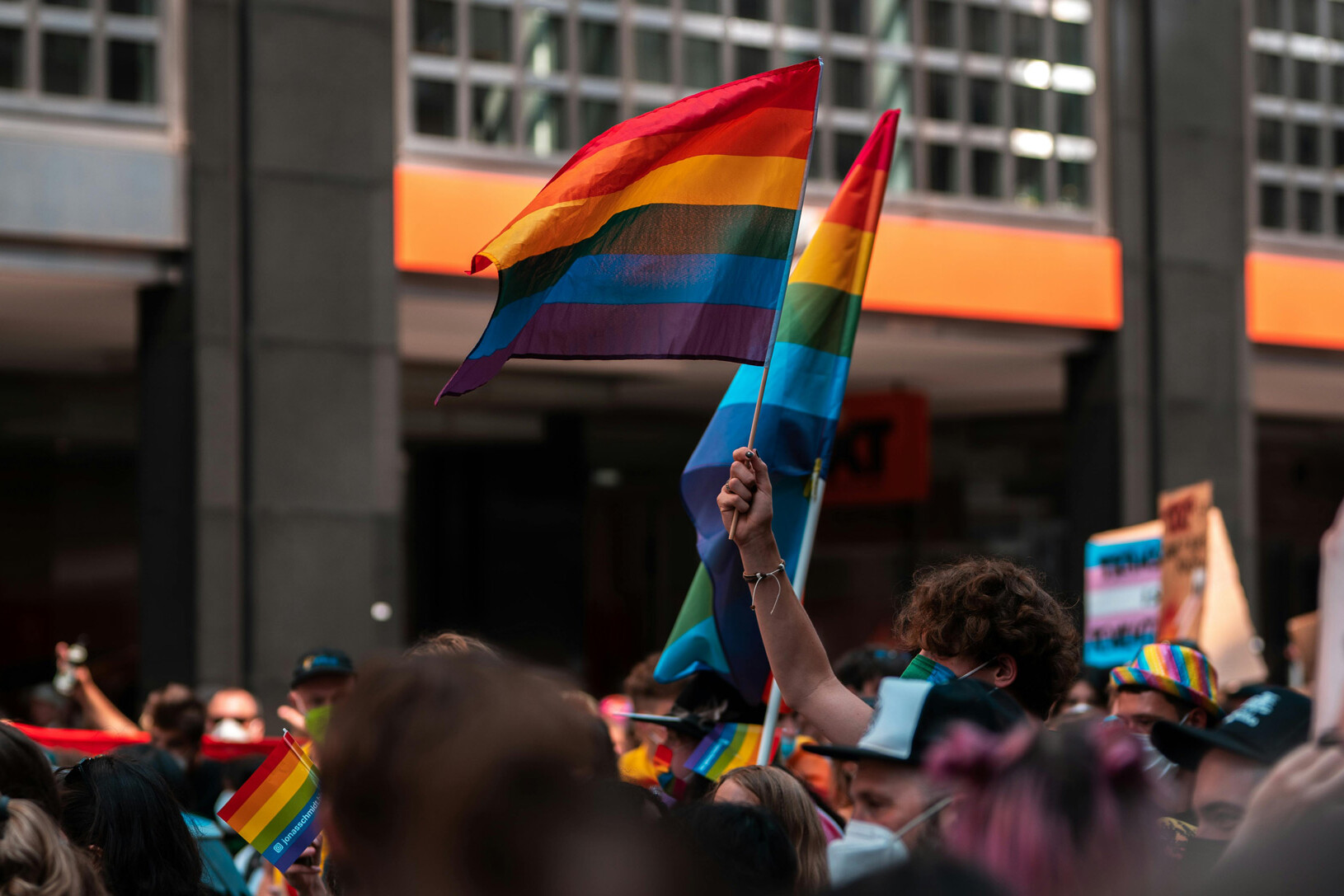
Sex and fire: Religion, homosexuality, and authority in Canada and the United States
Canada’s Supreme Court recently declared that, should the federal govern-ment wish to proceed with same-sex marriage legislation, it should be encumbered only by its own fear of controversy–not by any constitutional constraints.
February 28, 2005
February 28, 2005politics,canadian identity,united states,values,social change,religion,michael adamsInsight

My Canada doesn’t include religiosity
In the same-sex marriage debate that engulfed Canadians just before Christmas, The Globe and Mail ran comments from two of its more prominent Christian columnists, broadcaster Lorna Dueck and former Reform Party leader Preston Manning.
January 10, 2005
January 10, 2005canadian identity,values,social change,religion,michael adamsInsight
Shooting the pollsters
It was bound to happen sooner or later. As Americans and their leaders prepare for the most important and divisive presidential election in decades, pollsters, who like to think of themselves as scientists outside the arena of political contention, have become targets of partisan venom from both the Kerry and Bush camps.
November 1, 2004
November 1, 2004politics,united states,research methods,michael adamsInsight
Why Bush will win
As Canadians lick their wounds over our national election result – a minority that carries with it the likelihood of another round soon – we should be thankful for our limited campaigns compared to the endless electioneering in the United States.
September 30, 2004
September 30, 2004politics,social values,united states,michael adamsInsight

Music for less than a song
In April the Federal Court of Canada dealt a blow to the Canadian Recording Industry Association when it ruled that online file sharing does not constitute copyright infringement.
August 9, 2004
August 9, 2004social change,government role,michael adamsInsight
Continental divide
Last January, U.S. President George W. Bush and Canadian Prime Minister Paul Martin apparently hit it off over a breakfast of sausages and eggs at the Summit of the Americas meeting in Monterrey, Mexico.
April 30, 2004
April 30, 2004united states,government role,michael adamsInsight
A liberal Solomon needed
What a difference a few months have made in the life of our Prime Minister. When Paul Martin was "crowned," he inherited the most popular three-term government in Canada's history; he and his party seemed invincible.
April 19, 2004
April 19, 2004united states,government role,michael adamsInsight
A morning-after shocker
Alliance Party leader Stephen Harper and Progressive Conservative Party leader Peter MacKay have finally reached an agreement to merge their parties in an effort to unite the right.
October 31, 2003
October 31, 2003politics,government role,michael adamsInsight
Liberals: one size fits all
This is turning out to be quite a year for Canadian liberalism. The Liberal Chrétien government has gained international attention for Canada by indicating its support for legalized gay and lesbian marriages and a promise to decriminalize possession of small amounts of marijuana.
October 3, 2003
October 3, 2003politics,united states,government role,michael adamsInsight
The word, unheeded
The debate over same-sex marriage occurs at a time when Canadians are realizing how quickly social values have evolved in this country - and diverging from those of Americans.
August 15, 2003
August 15, 2003politics,united states,social change,religion,michael adamsInsight