


Michael Adams and Joseph Smith. The Globe and Mail. October 11, 2017.
The resignation of University of Toronto emeritus history professor Michael Marrus from a senior fellowship at Massey College has provoked discussion far beyond the College. In an exchange covered elsewhere, Marrus made a slavery-related remark to a Black Junior Fellow, in reference to the approach of the College’s head or “Master,” that concerned the graduate student and others nearby.
As word of the incident spread, petitions demanding action from the College attracted hundreds of signatures. The upshot to date, in addition to Marrus’s resignation, has been an official apology from
Massey College and the suspension of the use of the title “Master” for the head of the College, among other commitments.
There has been much public debate over whether the consequences for Professor Marrus were proportionate to his action, which he described in an apology letter as “a poor effort at jocular humour.”
The contours of this debate are familiar: should a joke that causes offense be shrugged off or taken seriously as a symptom of a larger problem? Are those who don’t laugh along oversensitive, or rightly holding people and institutions to account?
Our goal is not to revisit the specifics of the Marrus incident. We propose to widen the scope of the conversation with some unique and recent empirical evidence drawn from a seven-year study of the experiences of self-identified Black people in the Greater Toronto Area.
What is the context into which a joke is launched? How often might Black people – especially those in institutions where they’ve been historically underrepresented – find themselves on the receiving end? Is it a rare event or quotidian?
The Black Experience Project (BEP), whose results were released in July, was an unprecedented survey of 1504 self-identified Black people aged 16 and over in the GTA. The focus was their experience of being Black in everyday life in our city region: at school, at work, at leisure, in civic and political life, when shopping, or simply moving around the city.
Four in five participants in our study reported experiencing unfair treatment based on race, in one or more forms of micro-aggressions, on a regular basis. Examples of micro-aggressions included: general condescension; intuiting that others expected their work to be inferior; or being treated as an intimidating presence. (It’s worth noting that micro-aggressions were by no means the whole story; other forms of discrimination – for example, involving employers and the police – were also widely reported.)
Some people who aren’t subject to micro-aggressions view them as small, unimportant experiences that are blown out of proportion. But BEP participants told us their effects are real and cumulative. One respondent called these day-to-day harms a form of “quiet violence.” Another, a Member of Parliament, described the relentless experience of subtle discrimination as “death by a thousand cuts.”
Related reading
Let’s not get too smug about public attitudes on immigration
Many international commentators have been impressed by the strength of public support for immigration in Canada. At a time of considerable backlash elsewhere, Canada has actually been increasing its annual immigration intake.
October 17, 2019immigration,multiculturalismInsight,Presentation
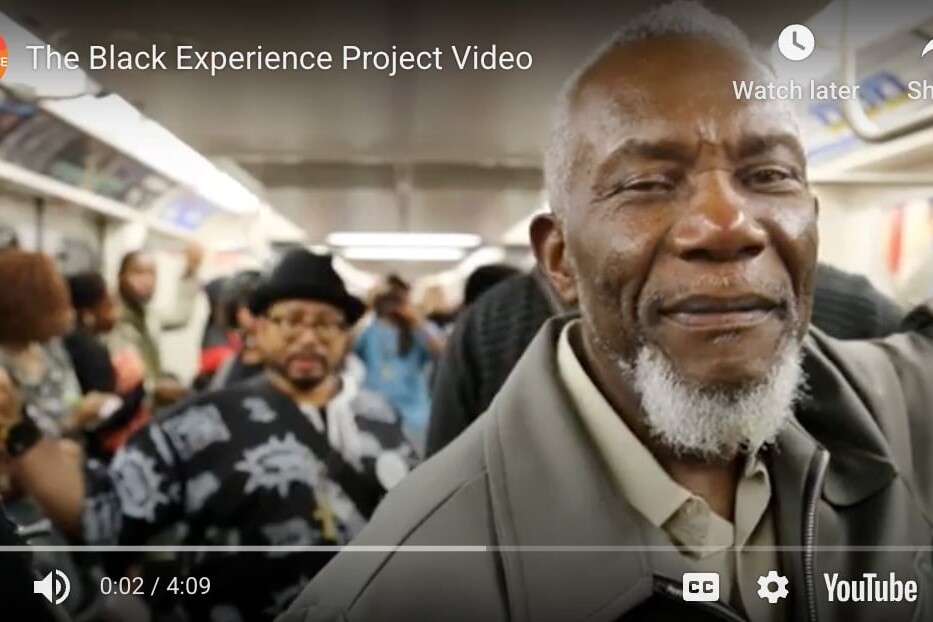
The Black Experience Project Video 2
The Black Experience Project led by the Environics Institute, in partnership with Ryerson's Diversity Institute, the United Way of Greater Toronto, and the YMCA of Greater Toronto, is launching a groundbreaking research study focusing on the Black community in the Greater Toronto Area (GTA).
November 26, 2014Videoracism,black experience project,lived experience,discrimination
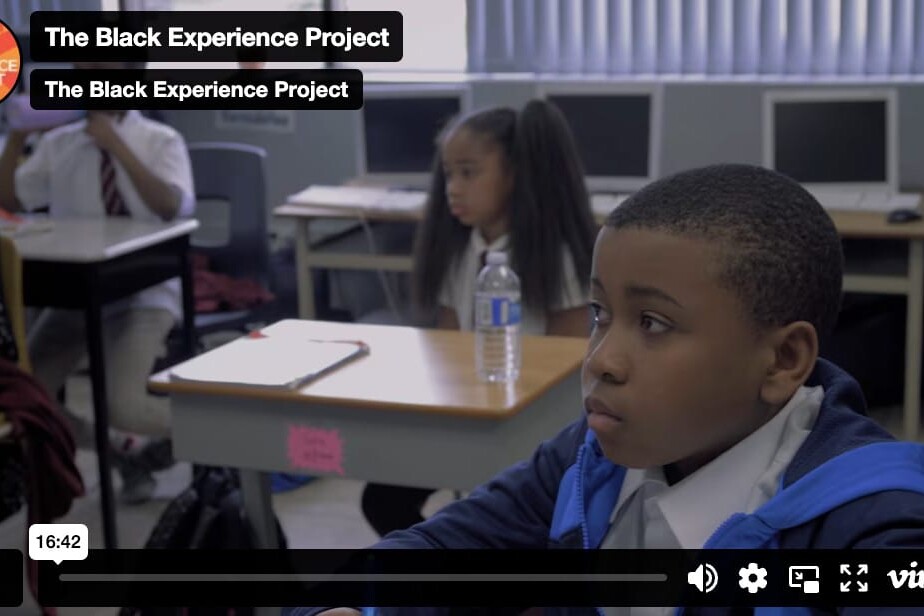
The Black Experience Project Video
This video documents the personal stories of identity, strengths, challenges and lived experiences of members in the Black Community across Toronto and the Greater Toronto Area.
July 21, 2017Videoracism,black experience project,lived experience,discrimination


