

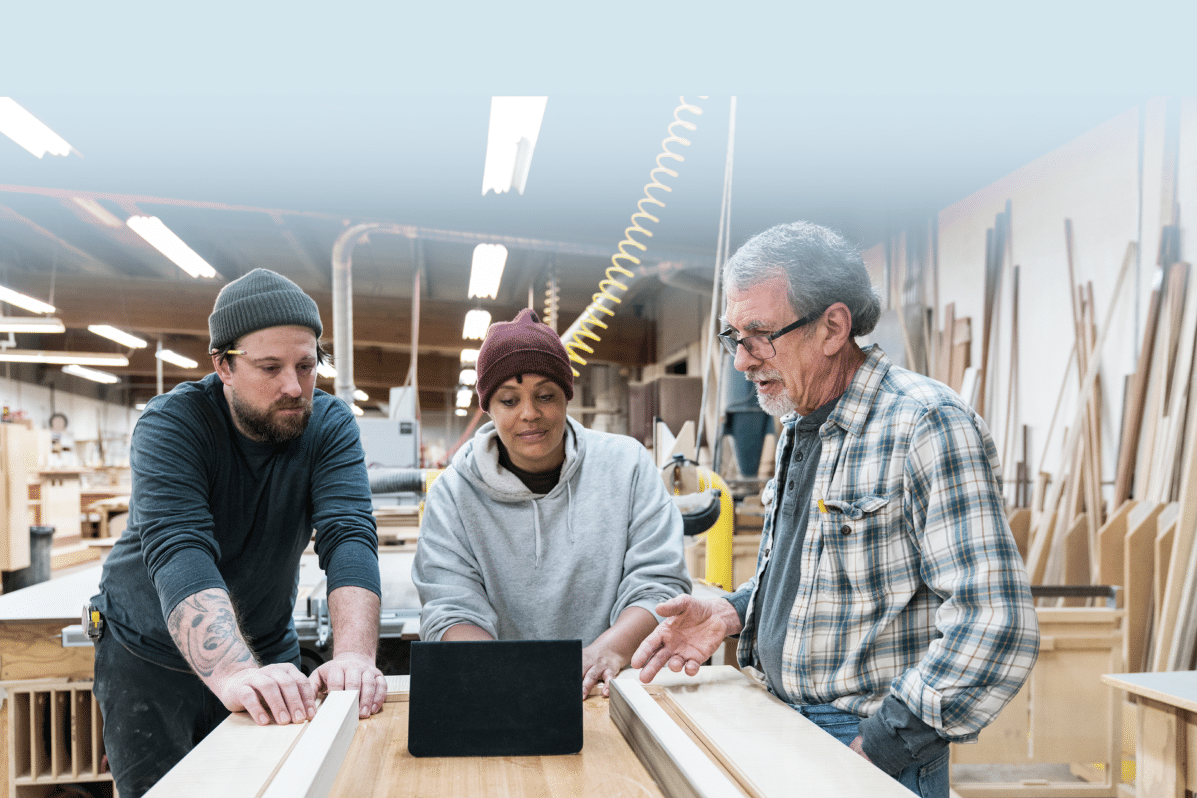
Perceptions of trades training gaining traction over university
The latest wave of the Survey on Employment and Skills asked Canadians to think about what advice they would give to a young person regarding their career path.
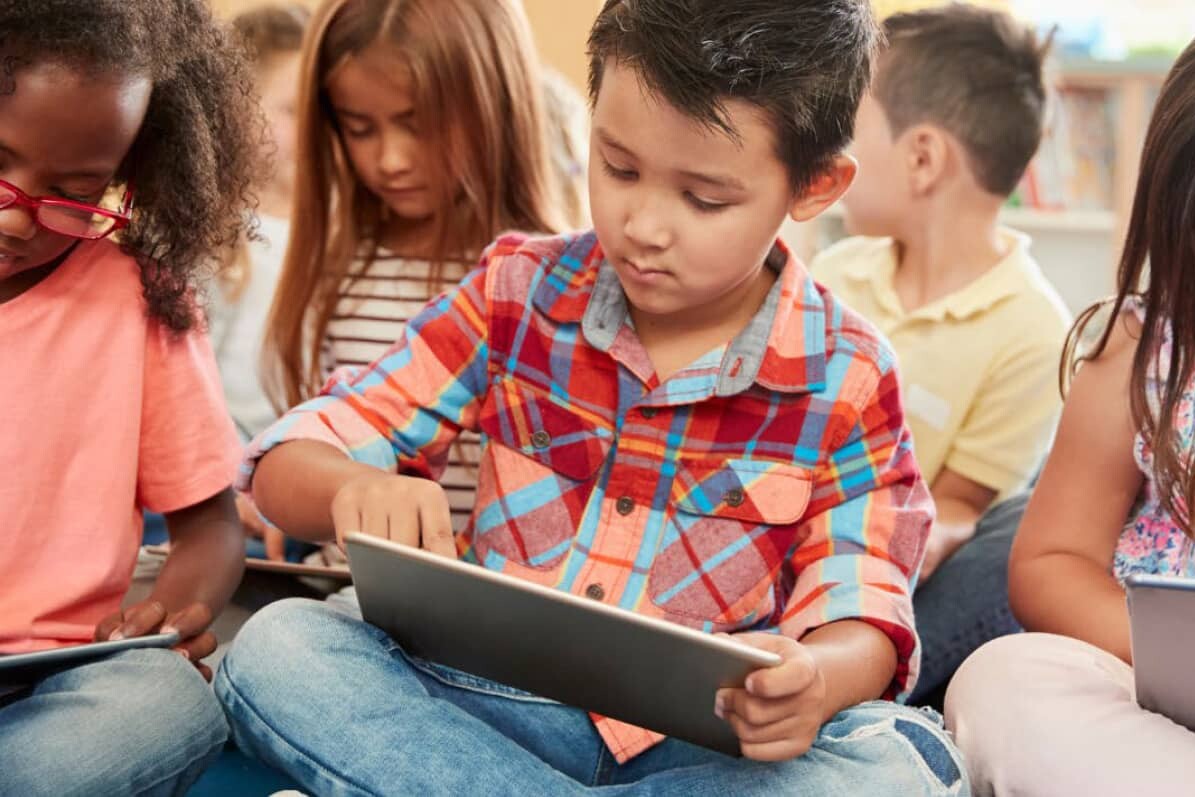
Strong Schools, Stronger Future: What Canadians Expect from Public Education
To explore how Canadians view public education, the latest wave of the Survey on Employment and Skills asked Canadians two questions about schools in their communities. The first addressed the objectives that schools should have, and the second assessed school performance.
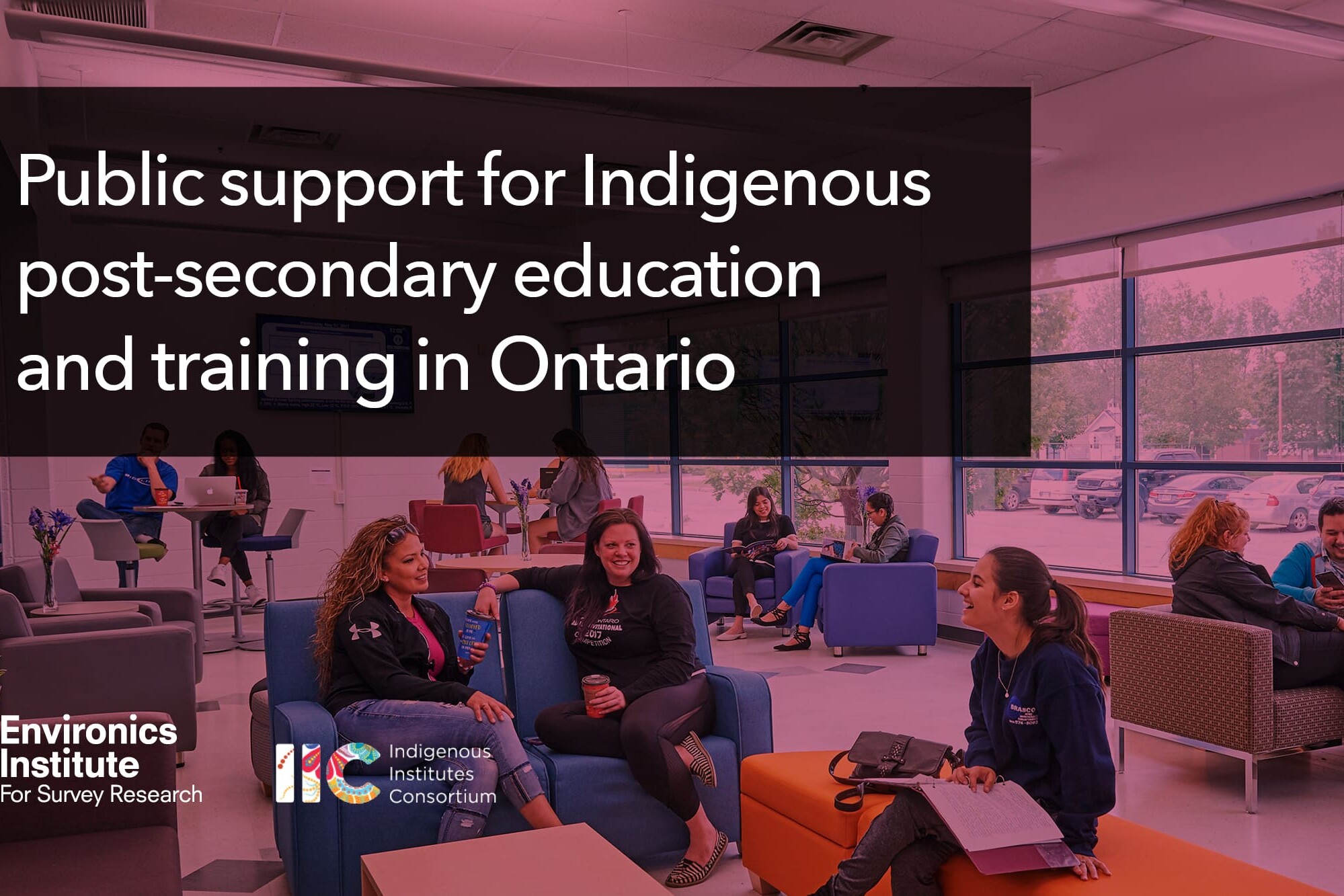
Public support for Indigenous post-secondary education and training in Ontario
The Calls to Action issued in 2015 by the Truth and Reconciliation Commission of Canada included a number of items relating to education. These included calls for measures to eliminate gaps in educational attainment between Indigenous Peoples and non-Indigenous people in Canada, to provide adequate and equitable funding of education for Indigenous students, and to develop culturally appropriate educational curricula.

Paying for skills training: Why employers need to act more strategically
At a time of rapid change in the workplace, access to skills training is key to workers’ success. Workers cannot expect that the knowledge and know-how they learned during their years in formal education will see them through their entire careers. | By Andrew Parkin

Canada can’t afford to be complacent about skills training
As we move past the COVID-19 pandemic, there is a tension between the desire to go back to the way things were in the workplace before, and an interest in finding new and better ways to work. | By Andrew Parkin, Pedro Barata & Wendy Cukier
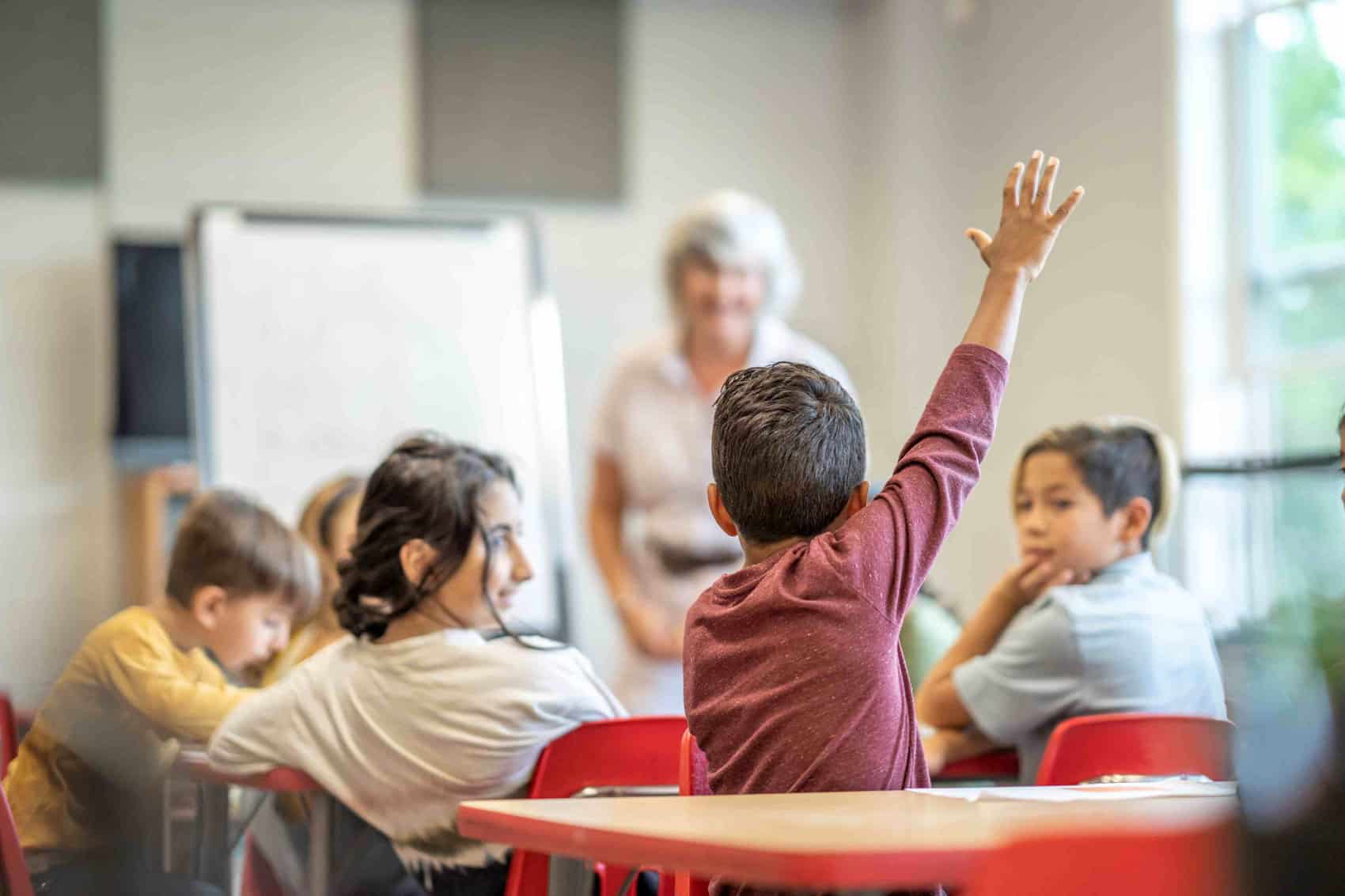
Don’t overlook the role that schools and teachers play in welcoming refugees to Canada
A series of attacks in Toronto — many occurring within the public transit system — has shone the spotlight on the issue of crime and safety in the city. As we search for solutions, we should start by thinking about who among us feels more vulnerable.

Lessons learned
For many students, the short-term effect of the COVID-19 pandemic, through the switch to online learning, has been to effectively “privatize” our educational infrastructure, as families have had to rely on their own resources to provide the spaces, tools and connections needed for ongoing learning.
In Canada, education excellence is also about equity
Functional families celebrate their members’ achievements – be they graduations from school, promotions at work, or personal bests in weekend pursuits.
The real roots of Canada’s education test successes
As usual, the triennial report from the OECD’s Programme for International Student Assessment (PISA) – released in early December – brought a mix of good and bad news. Canada’s scores in reading, math and science are drifting downward over time; this is the bad news.
Achievement and equity in education in Canada: an update
On December 3, the OECD released the results of the 2018 PISA assessment of students around the world. The Council of Ministers of Education, Canada released the results for the ten provinces.