

The following article by Michael Adams and Andrew Parkin was published in Policy Options on December 20, 2022.

Political leaders in Canada benefit from our inevitable tendency to compare ourselves to the United States. No matter how bad things are here, there is a good chance they are worse there. We have had fewer COVID deaths per-capita, many fewer murders and mass shootings, and infinitely fewer losing politicians unwilling to accept voters’ verdicts. Our health-care system is under tremendous strain, but there are still no fees for service. Meeting these low bars can be presented as achievements.

Yet a comparison between the two countries can still be instructive – not because it reassures us of the ways in which we are doing better, but because it reminds us that we remain different.

For example, consider the Environics Institute’s latest survey results about the twin headline issues of abortion and gun control. Not surprisingly, Canadians are more likely than Americans to favour fewer restrictions when it comes to abortion, and more restrictions when it comes to guns. But that’s not what is most remarkable.

Related reading

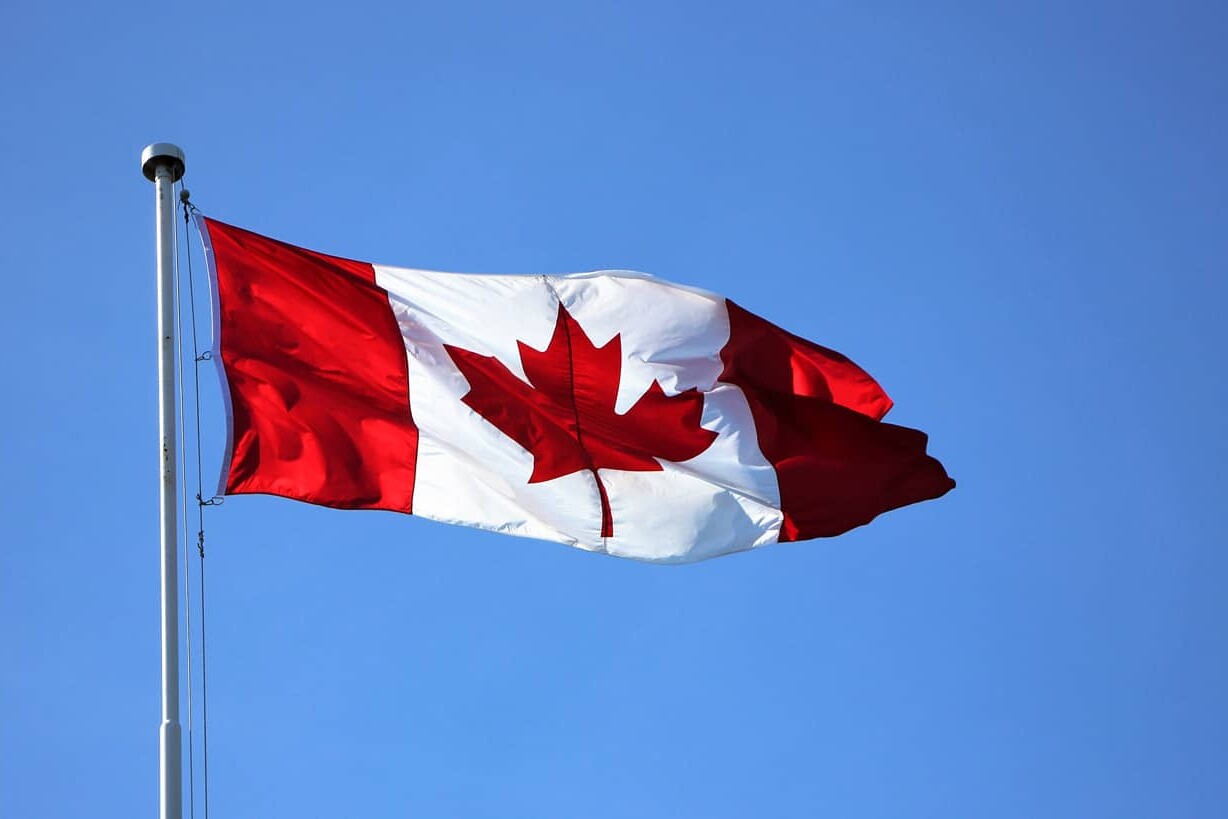
The Canadian flag, featuring a red maple leaf on white with red bars, waves proudly on a flagpole against a clear blue sky—a fitting symbol for the nation known for its politeness, as Canada is sorry – a lot.

Can Canada engage in a significant constitutional change that leaves us more united?

The resignation of Canada’s governor general and the renewed in-fighting within the royal family have sparked a fresh round of reflection about Canada’s ties to the monarchy.

How America could out-Canada Canada

I grew up during a time when it was said that everything that happened in the United States would eventually come to Canada. For me, the most evocative annual illustration of this was the auto show at Toronto's Exhibition Place, where Detroit's latest contributions to mobility and status were put on display for aspirational Ontarians to drool over.

Three people work at desks in an office—one woman types, while another woman in a headscarf and a man with glasses and earphones focus on their screens, reflecting how greater inclusion is a win-win strategy for the recovery.

Achievement and equity in education in Canada: an update

On December 3, the OECD released the results of the 2018 PISA assessment of students around the world. The Council of Ministers of Education, Canada released the results for the ten provinces.

Environics Institute for Survey Research

701-33 Bloor Street East
Toronto, ON M4W 3H1

info@environicsinstitute.org

Subscribe to our eNews

Subscribe to our eNews to stay apprised of our latest reports, Insights, events, and media mentions.

Stay Connected