

The following op-ed by Max FineDay, Jennifer Brennan, and Keith Neuman was published in the July 14, 2019 edition of the Toronto Star. Max FineDay is from the Sweetgrass First Nation and executive director of the Canadian Roots Exchange. Jennifer Brennan is associate director and Canada programs at the Mastercard Foundation. Keith Neuman is Senior Associate with the Environics Institute for Survey Research.

There have been many expressions of goodwill toward reconciliation since the release of the Truth and Reconciliation Commission Calls to Action in 2015. Findings from the Commission opened a national dialogue and helped to launch new programs geared toward reconciliation, but until now, the impact of these actions on the country’s youth has not been known. The last of the country’s residential schools closed in the 1990s, and more than 20 years later, survivors, their families, and Canada are still trying to heal.

New research conducted by Environics Institute in partnership with Canadian Roots Exchange and the Mastercard Foundation sheds new light on how this emerging generation understands the state of reconciliation. The National Youth Reconciliation Barometer finds that Indigenous and non-Indigenous youth have similar hopes for the future of Canada as well as their own lives.

Both populations have ambitions for family and meaningful careers, but there is a notable difference in a key requirement for work — education. Despite lower education completion rates, Indigenous youth are twice as likely as non-Indigenous youth to prioritize education as a top life goal.

The imbalance of education completion in Canada is well documented. The 2016 census identified a 48 per cent high school graduation rate for First Nation youth (20-24) living on reserve and 75 per cent for those living off reserve, compared to 92 per cent for non-Indigenous youth. Inequities persist and in some cases are exasperated at the post-secondary level.

Disparities are starker when considering northern and remote populations where access to education, especially post-secondary, is severely limited. Barriers for Indigenous students in being admitted to and remaining at school include the legacy of underfunded on-reserve schools, as well as racism and low expectations of Indigenous youth that push them onto pathways that do not meet prerequisites for post-secondary education.

Indigenous youth who responded to the Canadian Youth Reconciliation Barometer acknowledge discrimination, with eight in 10 believing Indigenous peoples are subjected to this type of treatment often or sometimes in Canadian society today.

But despite the disparities and discrimination that Indigenous youth face, there is still overwhelming hope from this younger generation that progress can occur. The survey found 75 per cent of Indigenous youth and 68 per cent of non-Indigenous youth are optimistic that reconciliation can be achieved in their lifetime.

Positive perspectives and a belief in personal capability to make a difference are stronger among youth who have participated in reconciliation activities. Despite the country’s past atrocities, Indigenous youth see a brighter future for Canada, and non-Indigenous youth see their role in making it right.

But new approaches to education are needed to enable Indigenous youth to reach their full potential. Education should support the well-being of learners and address their needs during transitions to school, while attending school, and when they move on to meaningful employment.

Today, there’s an opportunity to form collaborative partnerships with Indigenous non-profits, business organizations, and communities to build programs that allow Indigenous youth to learn closer to home and gain experience that benefits their communities. Curriculum should embrace Indigenous languages, land-based learning, and Indigenous knowledge and epistemologies. Respondents to the survey were clear — Indigenous and non-Indigenous youth believe that everyone will benefit if Indigenous perspectives on community, land, and culture are taken into consideration.

Youth’s expression of goodwill is an opportunity for decision-makers, public and private sectors, philanthropic organizations, and governments at every level to expand reconciliation programs and strengthen educational curriculums that will create engaged and informed champions of reconciliation.

Indigenous and non-Indigenous youth have strikingly similar ambitions for the future, and education stands out as a priority for Indigenous youth, but barriers like racism and retention still stand in the way. The time is now to reform classrooms and support outcomes that are meaningful to the next generation of Canadian youth.

Related reading

Canadian Youth Reconciliation Barometer 2019 Final Report cover featuring a stylized hand and vibrant abstract lines. Below are the logos for Environics Institute, Canadian Roots Exchange, and Mastercard Foundation.

Canadian Youth Reconciliation Barometer 2019

Canada’s relationship with the Indigenous Peoples who first inhabited this land continues to be largely unresolved and fraught with controversy.
Cover page of the 2019 Survey of Canadians report titled Towards Reconciliation: Indigenous and non-Indigenous Perspectives, featuring a logo of black maple leaves shaped like a tree.

Towards Reconciliation: Indigenous and non-Indigenous Perspectives

No attempt to assess, modernize or reimagine the Canadian federation today is complete without including the perspectives of Indigenous Peoples, and addressing issues relating to the prosperity and well-being of Indigenous Peoples and communities.
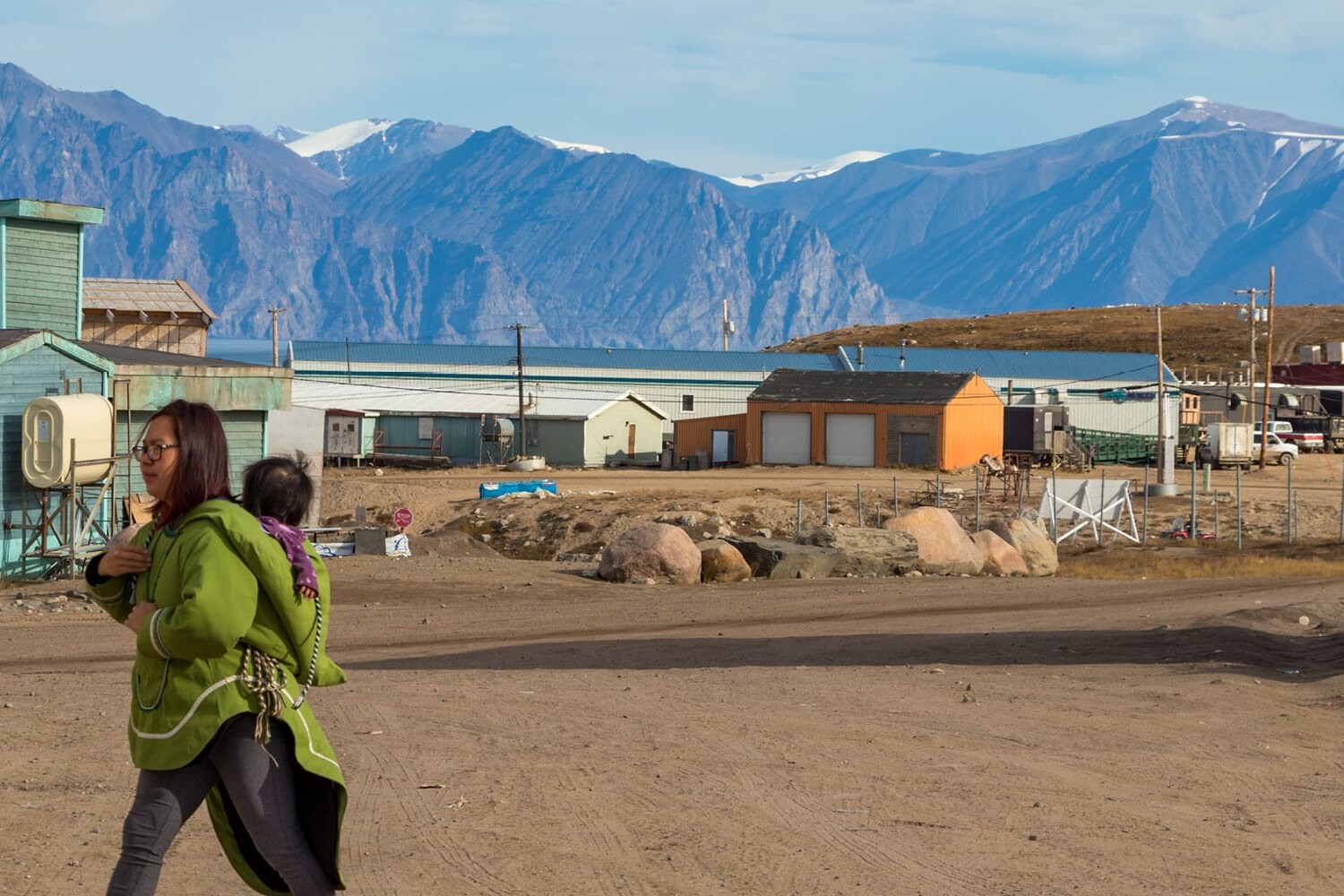
A woman in a green jacket carries a child on her back while walking through a small, remote village with colorful houses and dirt roads—echoing the shifting lens through which Canadians see the Wet’suwet’en crisis amid mountainous terrain.

Real reconciliation in Canada might just be a matter of time

As recently as a few decades ago, most Canadians didn’t look kindly on sexual diversity. In 1987, just one in ten approved of “homosexuals.” While fewer than one in five thought a job applicant’s race (18%) or religion (14%) mattered, 44 percent believed homosexuality should be taken into account. 

Environics Institute for Survey Research

701-33 Bloor Street East
Toronto, ON M4W 3H1

info@environicsinstitute.org

Subscribe to our eNews

Subscribe to our eNews to stay apprised of our latest reports, Insights, events, and media mentions.

Stay Connected