

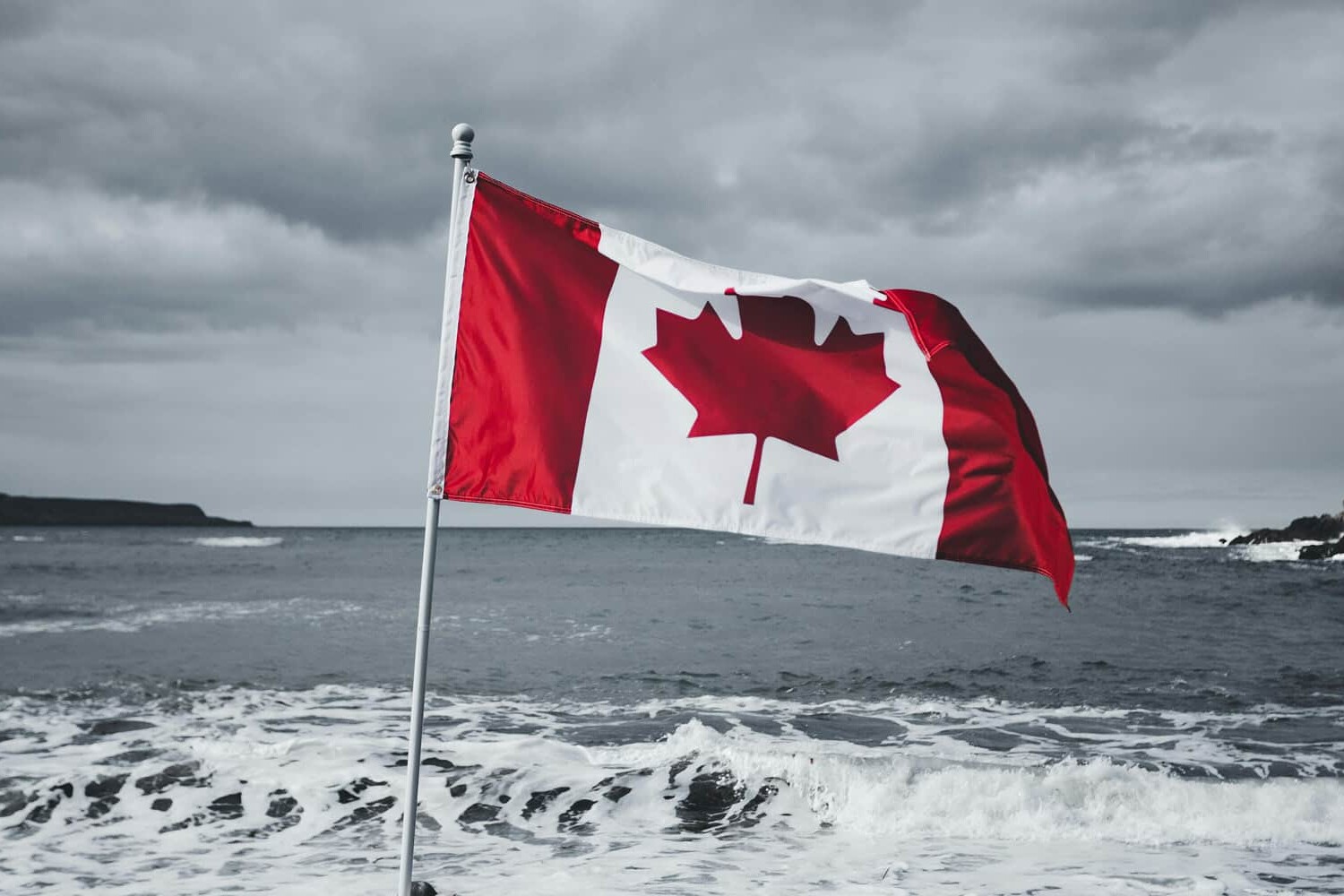
The following piece was published in the April 3, 2019 edition of Policy Options. The co-authors of this article are Donald Abelson (the Brian Mulroney Institute of Government), Martha Hall Findlay (the Canada West Foundation), Graham Fox (the Institute for Research on Public Policy), Alain-G Gagnon (the Centre d’analyse politique sur la constitution et le fédéralisme) and Keith Neuman (the Environics Institute for Survey Research). The 2019 Confederation of Tomorrow study was conducted by these organizations. Detailed survey results are available here.

The political differences across the country – on issues ranging from energy and the environment to immigration and the best way to create jobs – sometimes leave the impression that the country is hopelessly fractured. Yet the findings of our recent 2019 Confederation of Tomorrow survey (one of the largest studies ever conducted of what Canadians think about their federation) show this impression is misleading – at least in part.

The study was conducted by the Environics Institute for Survey Research, the Canada West Foundation, the Mowat Centre, the Centre d’analyse politique sur la constitution et le fédéralisme, the Institute for Research on Public Policy, and the Brian Mulroney Institute of Government at Saint Francis Xavier University.

The survey builds on research conducted over the past several decades, including Environics’  Focus Canada, and the “Portraits of Canada” studies conducted by the Centre for Research and Information in Canada (CRIC).

Three in 5 Canadians believe that people in all regions of the country share the same values. Two-thirds have confidence in the ability of Canadians to resolve their differences (figure 1). And 7 in 10 see federalism as the best system for a country as diverse as Canada.

Underneath this veneer of good feelings, however, there are several findings that serve as a wake-up call. The degree of frustration in Alberta is unprecedented: the proportion of Albertans who say that their province does not get the respect it deserves (figure 2) or has less than its fair share of influence on federal decision-making is at an all-time high. And the proportion of Albertans and Saskatchewanians who say that their region gets so few benefits from Canada that they should go it on their own has doubled over the past decade (figure 3), in 2019 passing the 50 percent mark for the first time.

Although the rise in alienation in these two western provinces is of concern, it comes at a time when the issue of sovereignty in Quebec has dropped from view. The diminished electoral fortunes of both the Parti Québécois and the Bloc Québécois notwithstanding, however, the situation in Quebec is more one of continuity than of change. Fewer than 1 in 4 Quebecers identify as mainly federalist (figure 4), and there has been no increase in the proportion of Quebecers who agree that sovereignty is an idea whose time has passed. And more francophone Quebecers are worried about the security of the French language today than in the early 2000s.

As we sort through this mix of contrasting opinions, the picture the survey paints is one of complexity. For every province – such as Alberta – that has grown more dissatisfied with confederation, there is another – like Alberta’s neighbour British Columbia – that has grown more content. Atlantic Canada combines one of the most aggrieved provinces (Newfoundland and Labrador) with one of the least aggrieved (Prince Edward Island), while trends in neighbouring New Brunswick and Nova Scotia are also heading in opposite directions. This divergence is also found in the North: as the mood in the Northwest Territories sours, that in neighbouring Yukon improves.

Nothing illustrates this complexity more than our mix of identities. Few Canadians identify either as only Canadian or only resident of their province – 3 in 4 hold to an identity that combines Canadian and provincial elements. The same is true of the country’s Indigenous peoples: 3 in 4 identify as both Indigenous and Canadian, rather than only one or the other (figure 5). And while the country remains an important part of Canadians’ sense of their personal identity, other aspects of identity, such as language, ethnicity and gender, have grown relatively more important over time.

Against this backdrop of layered identities and divergent experiences of how the country is working, it is worth remembering that we have a unique constitutional structure that has stood us well for a long time. Even so, it is more important now than ever that Canadians listen to and learn from one another. Perennial grievances need to be addressed, as a younger generation of Canadians with no memory of referendums and constitutional mega-deals comes of age with new agendas that must be considered.

Most Canadians are confident that we can resolve our differences. Let’s hope we can find the right policies and the right spirit to show they are right.

Related reading

A Canadian flag with a red maple leaf waves on a pole by the ocean, with waves crashing on the shore and a cloudy, overcast sky in the background—prompting some to wonder: is one region favoured by Ottawa?.

Canadians are still committed to decentralized federalism

There is never any shortage of reasons to track the ups and downs of regional grievances in Canada: Every year brings new developments that fuel perceptions of regional winners and losers.

Close-up of two hockey players facing off on an ice rink, their skates and sticks poised, capturing the intensity of Hockey Fighting and What it Means to Be A Man as they battle for the puck.

Canadians on Hockey 2012

Hockey has long held a central place in Canada, and the National Hockey League is the flagship arena for the sport. Professional hockey has long stood out for the aggressive style of play, which has largely been accepted as just a part of the game.

Four young people stand side by side outdoors at sunset, looking ahead with serious expressions—a reminder that Canadians need to keep talking about racism as the warm sunlight casts a golden glow across their faces and the open, blurred background.

Are Canadians ready to confront racism?

When racist incidents in Canada grab public attention, they usually provoke two reactions: general condemnation, and then a resolution to finally start a serious conversation about race relations in this country.

Environics Institute for Survey Research

701-33 Bloor Street East
Toronto, ON M4W 3H1

info@environicsinstitute.org

Subscribe to our eNews

Subscribe to our eNews to stay apprised of our latest reports, Insights, events, and media mentions.

Stay Connected