





Our research addresses four key themes:
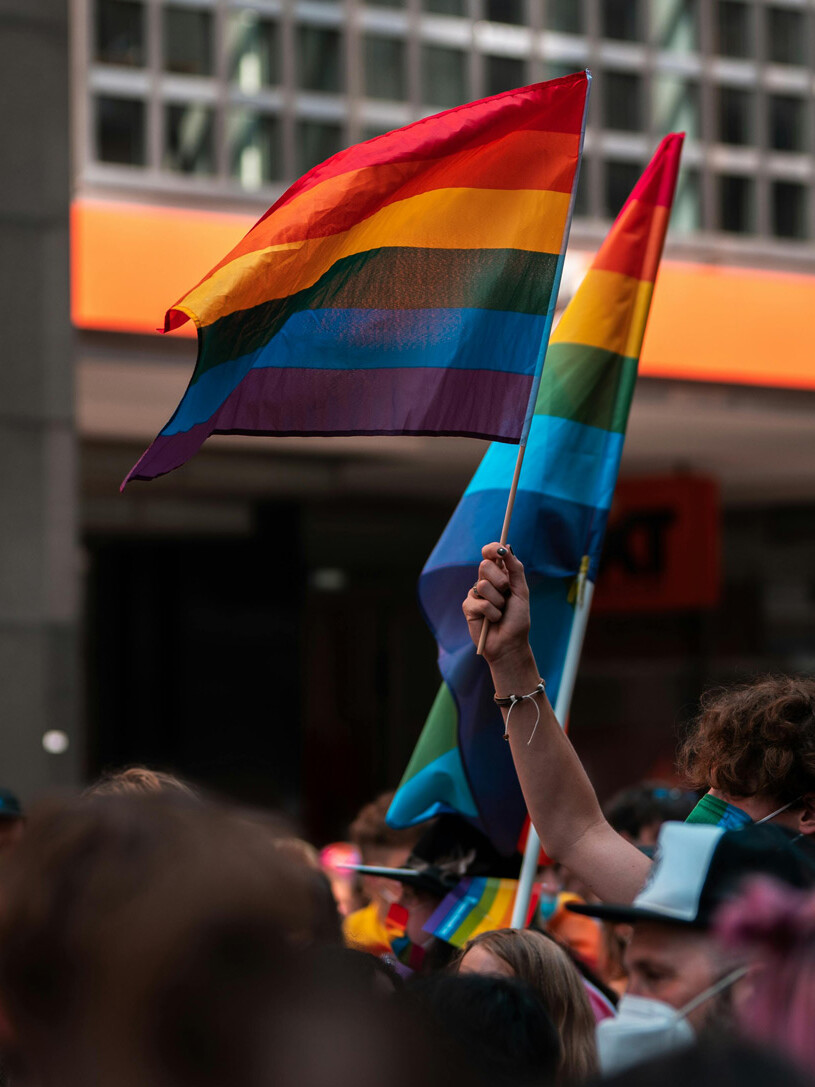
Canada’s diverse peoples and communities
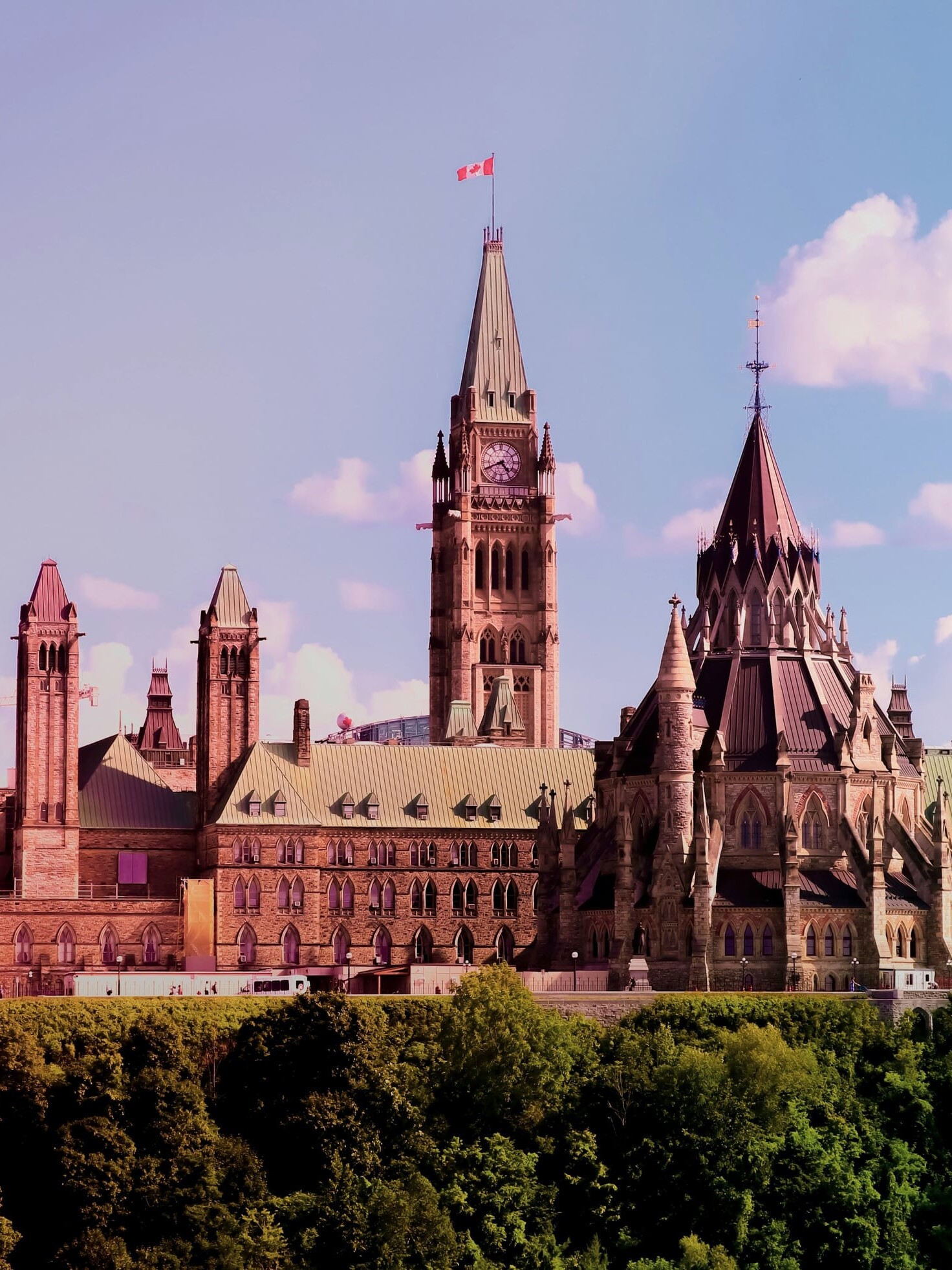
Governing Canada
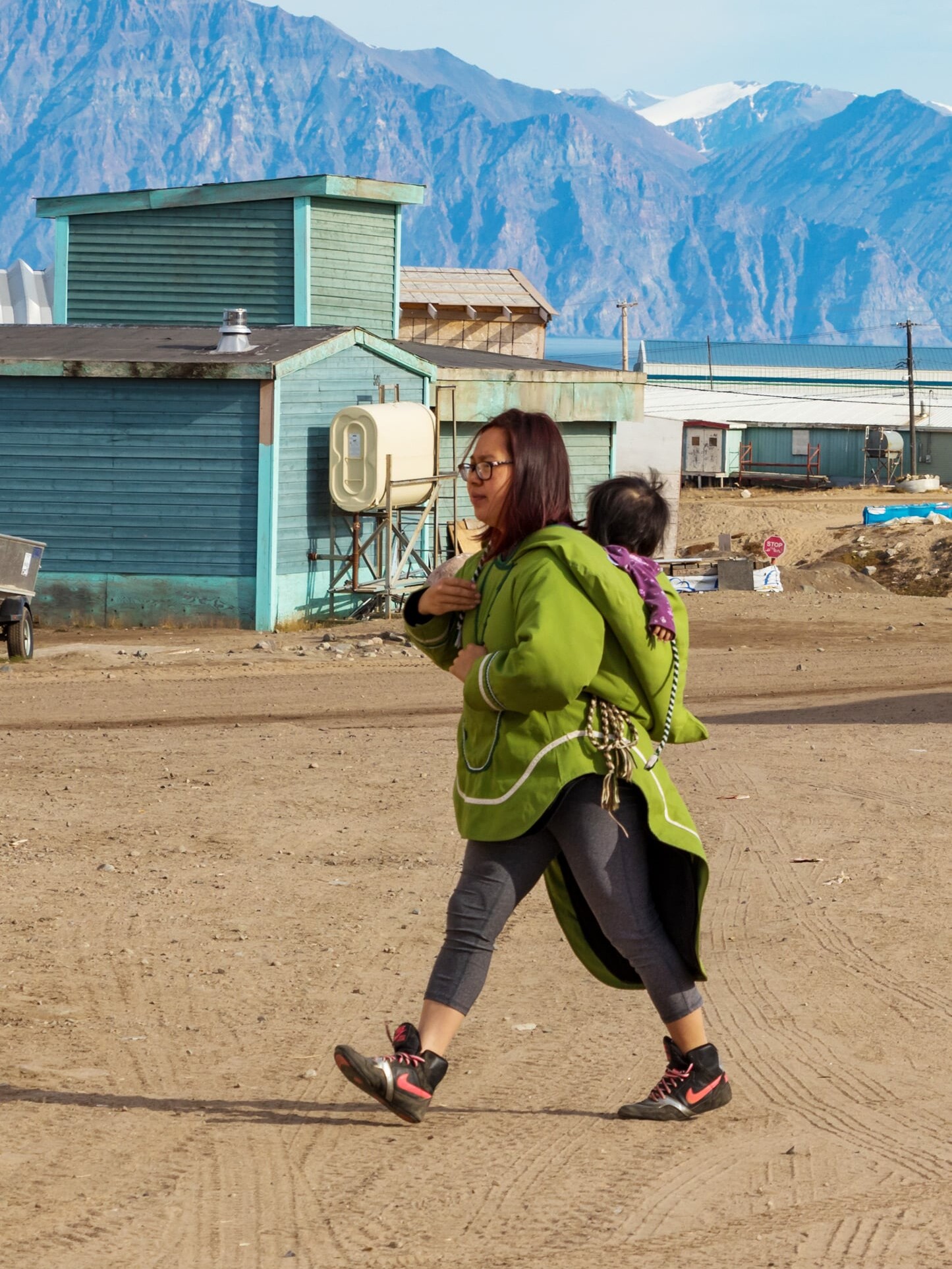
Indigenous peoples and reconciliation
Social and economic change
In each of these areas, our research seeks to represent and reflect the diversity of Canadian society. Whenever possible, we track public opinion and social change over time to identify important trends.
Featured Report
Canadian Perspectives on Multiculturalism and Diversity
A Report from the Diversity in Canada Study 2026
The survey results support the conclusion that ongoing concern about the current level of immigration does not in itself imply public opposition to the broader idea of Canada accepting immigrants, or to the changes in the racial and ethnic composition of Canadian society that recent immigration patterns have produced.

Featured Report
Building Faster
Public expectations for collaboration in the Canadian federation
Most Canadians support the federal government’s intention to act quickly to expand the country’s infrastructure, but not in the absence of agreements with its provincial or Indigenous partners.

Insights

Canada’s mosaic is holding strong
Opinions on immigration recently underwent a profound shift, in response to the post-pandemic spike in the intake of new immigrants. Add to this the recurrence of troubling incidents: police officers who abuse racialized citizens; synagogues riddled with bullets; other religious minorities made to feel they don’t belong. When it comes to multiculturalism, are we sure Canada still has bragging rights?



Featured Topic: Multiculturalism

Featured Report Series

The Confederation of Tomorrow surveys give voice to Canadians about the major issues shaping the future of the federation and their political communities. They are conducted annually by an association of the country’s leading public policy and socio-economic research organizations
Featured Data
What does multiculturalism mean to you?
Positive comments about multiculturalism heavily predominate among Canadians of all backgrounds. Racialized Canadians (72%) are somewhat more likely to offer positive comments than those who are white (64%); and first-generation (71%) and secondgeneration (69%) immigrants are more likely to offer positive comments than nonimmigrants (60%).
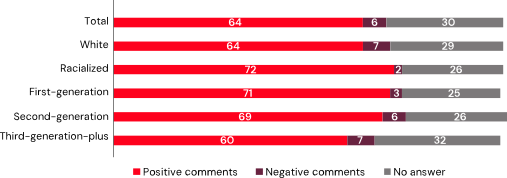
Q: As you may know, Canada is often referred to as a multicultural country, given its diverse population of people with backgrounds from all over the world. From what you know, have heard, or experienced directly, what, if anything, does multiculturalism mean to you?

Subscribe to our eNews
Subscribe to our eNews to stay apprised of our latest reports, Insights, events, and media mentions.
Stay Connected
Follow us on social media.