


Our elbows may be up, but have Canadians really changed?
If ever there was a year when Canadians needed a national day off, it’s 2025. Certainly, politicians and journalists could use a break after months of campaigning, but ordinary citizens are also worn out: from tracking which tariffs are on or off, digesting the U.S. President’s latest threats to our independence, and searching for the “product of Canada” labels at the grocery store while trying to understand what they even mean. | By Michael Adams & Andrew Parkin

A social values journey down memory lane
On May 9, 2025, Michael Adams is being inducted into Canada’s Marketing Hall of Legends. The award recognizes Michael's decades of helping people understand one another. Long-time friend and colleague Barry Watson has written a reflection on his influence on research, marketing, and society. | By Barry Watson
Canadian Youth
A new national research project documents for the first time the social norms that govern how Canadians think about and act on different types of racial micro-aggressive actions directed at people who are Indigenous or Black.
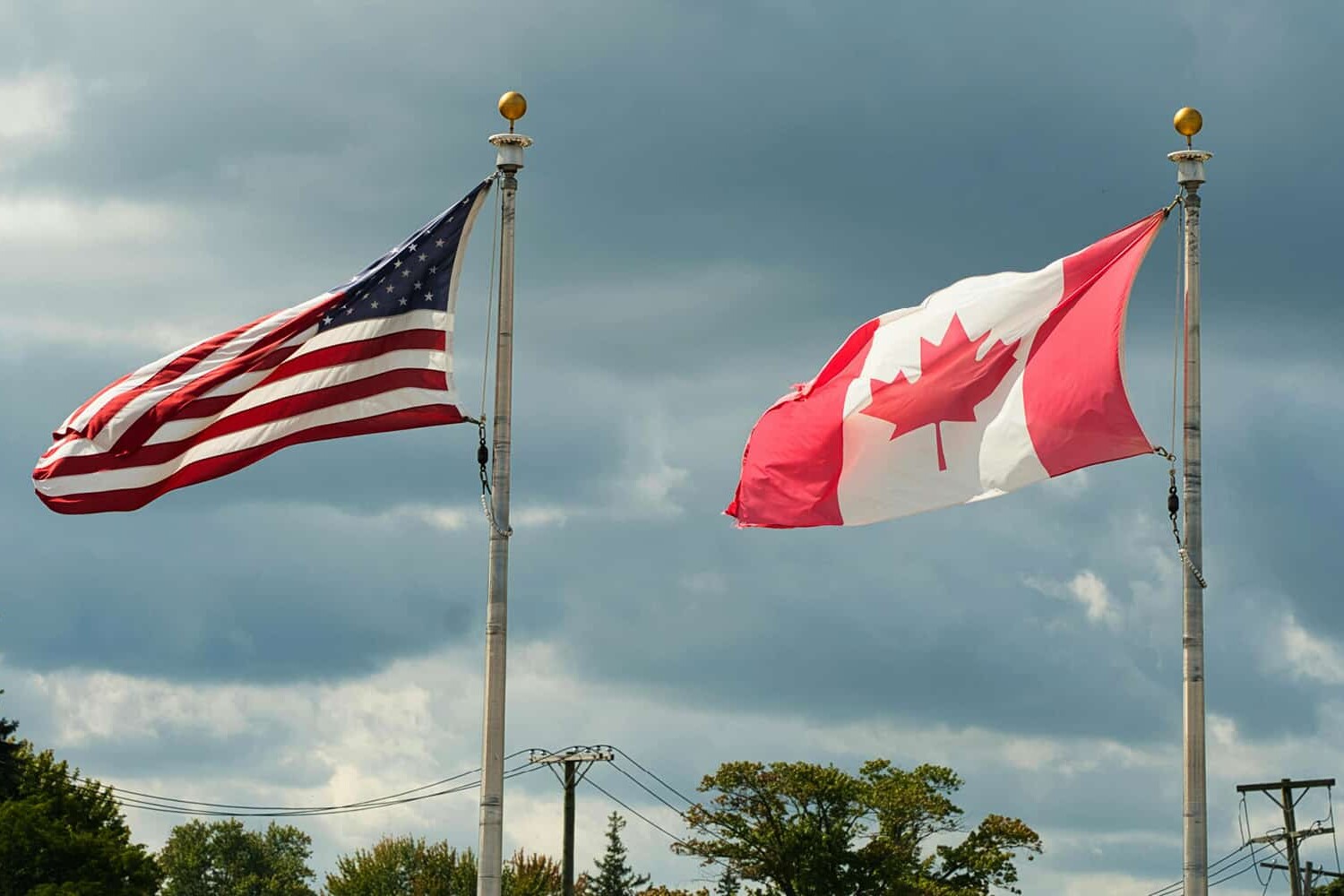
We’re witnessing the continuing cultural divergence of Canada and the United States
Almost a year ago, Canadians tuned in to watch one of the scariest reality TV shows ever produced: early 21st century American politics. On Jan. 6, thousands of radicalized, ill-informed Americans stormed the Capitol building to disrupt the certification of the results of the presidential election.

The authoritarian reflex: Will it manifest in Canada?
A wave of authoritarian populism has been evident in Europe, Britain and the United States over the past few decades. Many Canadians are wondering how these energies might manifest in their own country’s upcoming federal election.
Does father know best? Canadian views – thankfully – continue to evolve
No socio-cultural change in North America has been more consequential over the past century than changes in attitudes and expectations related to the role and status of women in society.
Two Toronto men on what it is to be a man
News of two exceptional Toronto men has reached every corner of the world. One of the young men, who reportedly struggled to establish successful social relationships, especially with women, mowed down 25 pedestrians, killing 10, on Yonge Street last Monday.

Why gun control is a lost cause in America
Cultures have their own myths, institutions and trajectories. Some things have changed in America, as in other societies: slavery was abolished, women got the vote, same-sex marriage was allowed.
Bricker and Ibbitson on populism: What about Canada?
Darrell Bricker and John Ibbitson - in their February 10 Globe and Mail commentary - get it half right when they say the current tsunami of populism in western countries is largely an expression of cultural, as opposed to economic, insecurity.
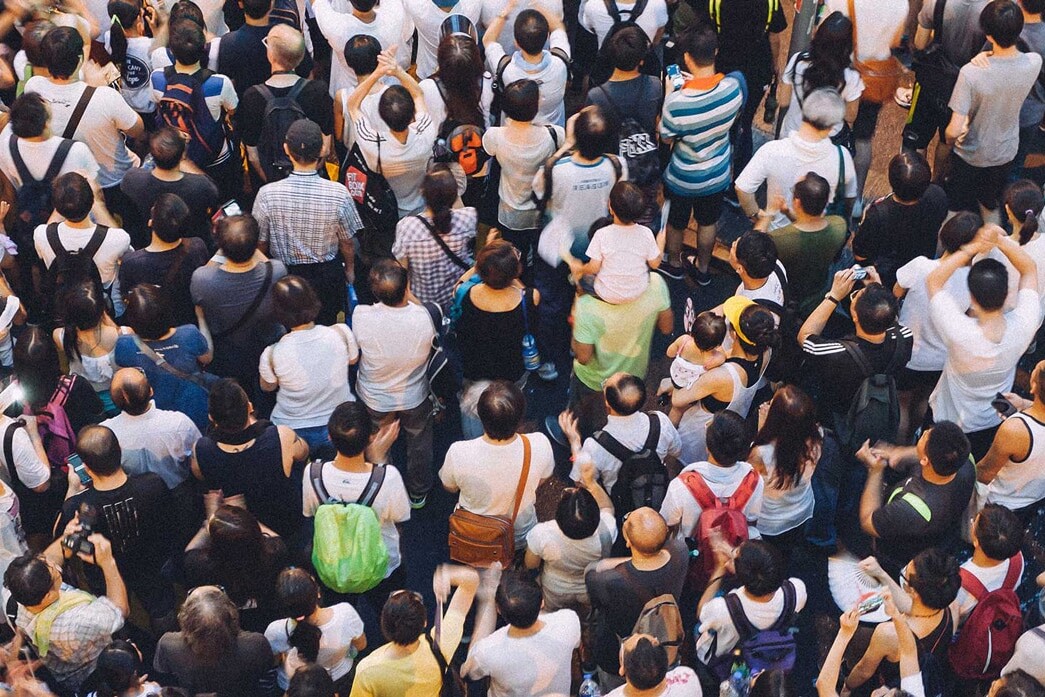
Sanctuary Cities: Why it’s harder for Trumpism to take root in Canadian cities
In early 2007, former New York mayor Rudolph Giuliani led the pack of would-be Republican nominees for president – but some worried he was “too metropolitan” for heartland voters.