

Building Faster?
Most Canadians support the federal government’s intention to act quickly to expand the country’s infrastructure, but not in the absence of agreements with its provincial or Indigenous partners.
May 11, 2026
May 11, 2026Reportconfederation of tomorrow,indigenous peoples,federalism,politics
Looking for something specific?
Public Support for Child Care Programs in Canada
The purpose of the YMCA-YWCA National Survey on Child Care Policy in Canada was to explore the extent of public support for government subsidized child care programs in Canada, as well as the main factors influencing that support.
September 10, 2025
September 10, 2025social change,government role,child careReport
Working together in the Canadian federation
Two main political events since the start of this year have affected the context in which the relations between governments in Canada are evolving. First, the imposition of U.S. tariffs, combined with the American president’s threats against Canada’s independence, have created a new sense of urgency.
July 20, 2025
July 20, 2025confederation of tomorrow,federalism,politics,government roleReport
Canadian public opinion about conflict in the Middle East 2024
The outbreak of war between Israel and Hamas in Gaza has had an unprecedented impact on Canada. Since last fall, the country has witnessed rising levels of hate-motivated actions against Jews, Muslims and Arabs, sustained protests on university campuses, and heated rhetoric from public figures over what should be done.
July 23, 2024
July 23, 2024international relations,focus canada,middle east conflict,religion,government roleReport
Developing a material deprivation index
In Canada, we commonly measure the extent of poverty by determining a poverty line. An alternative approach is to assess a household’s standard of living by looking at the goods and services it has, or has access to, and the activities in which it participates. This method of measuring poverty is called a material deprivation index (MDI).
July 4, 2024
Addressing climate change in the Canadian federation
Canadians are evenly divided on the relative priority that should be given to protecting the environment versus protecting jobs. The emphasis placed on environmental protection has declined since 2023 across the population.
May 10, 2024
May 10, 2024confederation of tomorrow,environment,federalism,economy,government role,democracyReport
Affordable housing: approval of federal, provincial and local governments
The availability and affordability of housing has emerged as a top public policy issue. And it is one in which all governments – federal, provincial and territorial, and local – have a role to play.
April 23, 2024
April 23, 2024confederation of tomorrow,politics,economy,government roleReport
2022 NIA Ageing in Canada Survey
The National Institute on Ageing (NIA) and the Environics Institute for Survey Research partnered on an annual survey of ageing in Canada to track Canadians' experiences of growing older and their expectations for the future.
December 20, 2022
December 20, 2022government role,ageing,health,lived experience,ageing in canada surveysReport
Public Opinion in Canada and the United States
The diminishing concern about the impact of free trade on Canada’s cultural identity coincides with some sharp differences of opinion between Canadians and Americans on prominent social issues.
December 9, 2022
December 9, 2022focus canada,politics,canadian identity,racism,government role,democracy,discriminationReport

Disconnecting from work
The Survey on Employment and Skills confirms that many Canadians find it a challenge to keep their work, family and personal lives in balance. But experiences vary widely. Some workers, such as those who are self-employed, are more likely to appreciate the flexibility of modern work arrangements
September 15, 2022
September 15, 2022economy,survey on employment and skills,government roleReport
Social norms and racism in Canada
A new national research project documents for the first time the social norms that govern how Canadians think about and act on different types of racial micro-aggressive actions directed at people who are Indigenous or Black.
June 22, 2022
June 22, 2022racism,public opinion research,social change,government role,lived experience,discriminationReport
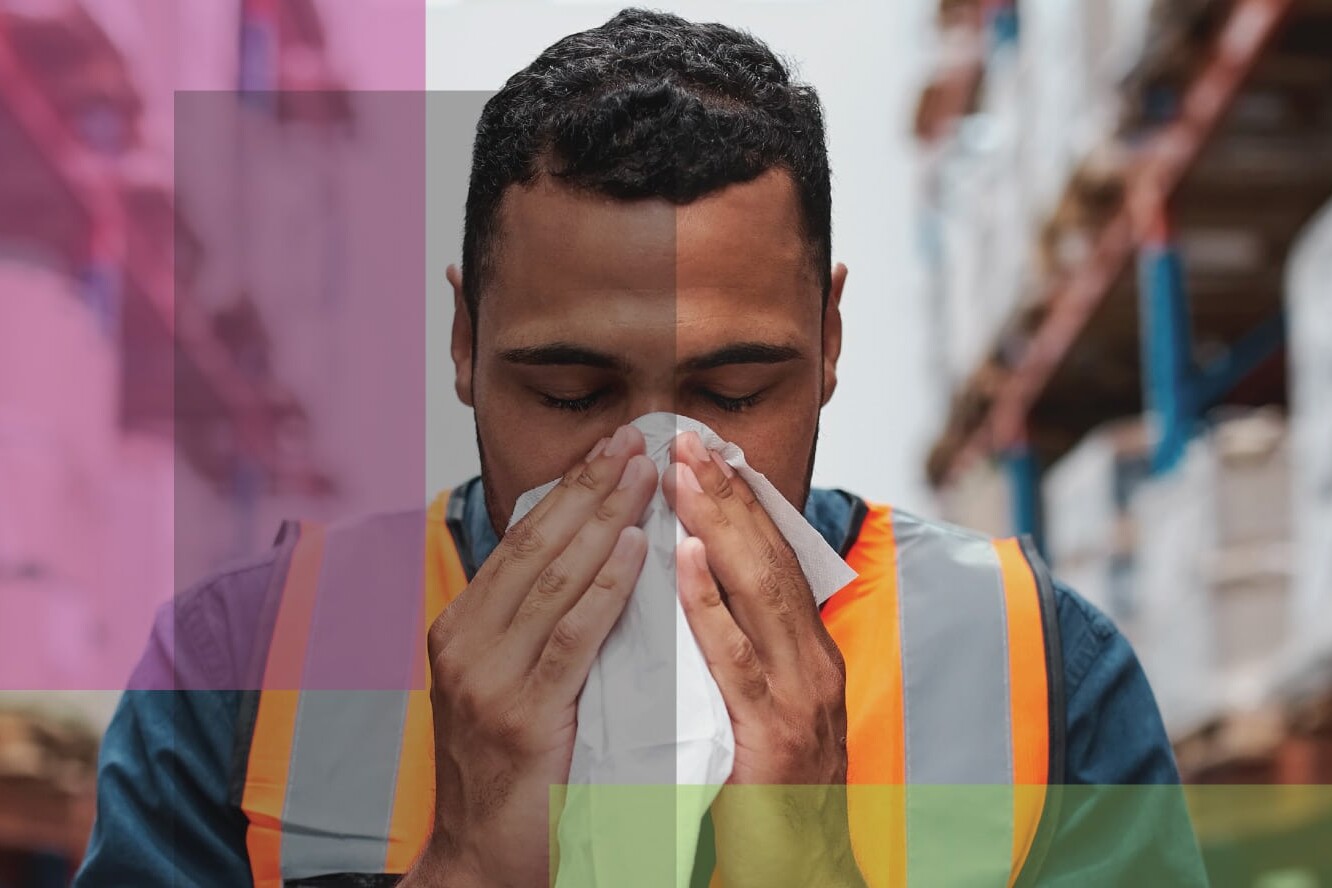
Working when sick
Efforts to improve public health and contain the spread of serious illness must focus on both the lack of paid sick days for many workers and the behaviour of those who have access to paid sick days but choose not to use them because of the prevailing workplace culture.
December 28, 2021
December 28, 2021economy,survey on employment and skills,government roleReport
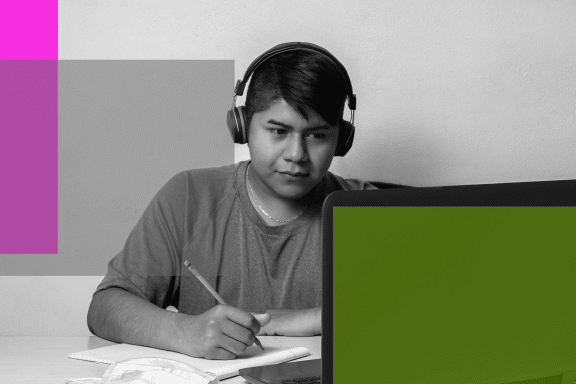
Making up time
This report explores the experiences during the pandemic of younger adults, defined as those between the ages of 18 and 34.
November 30, 2021
November 30, 2021economy,survey on employment and skills,government roleReport
Respect, Influence and Fairness in the Canadian Federation
Did the federal, provincial and territorial responses to the crisis alleviate or exacerbate public discontent with how federalism works in Canada?
September 27, 2021
September 27, 2021confederation of tomorrow,federalism,politics,government roleReport
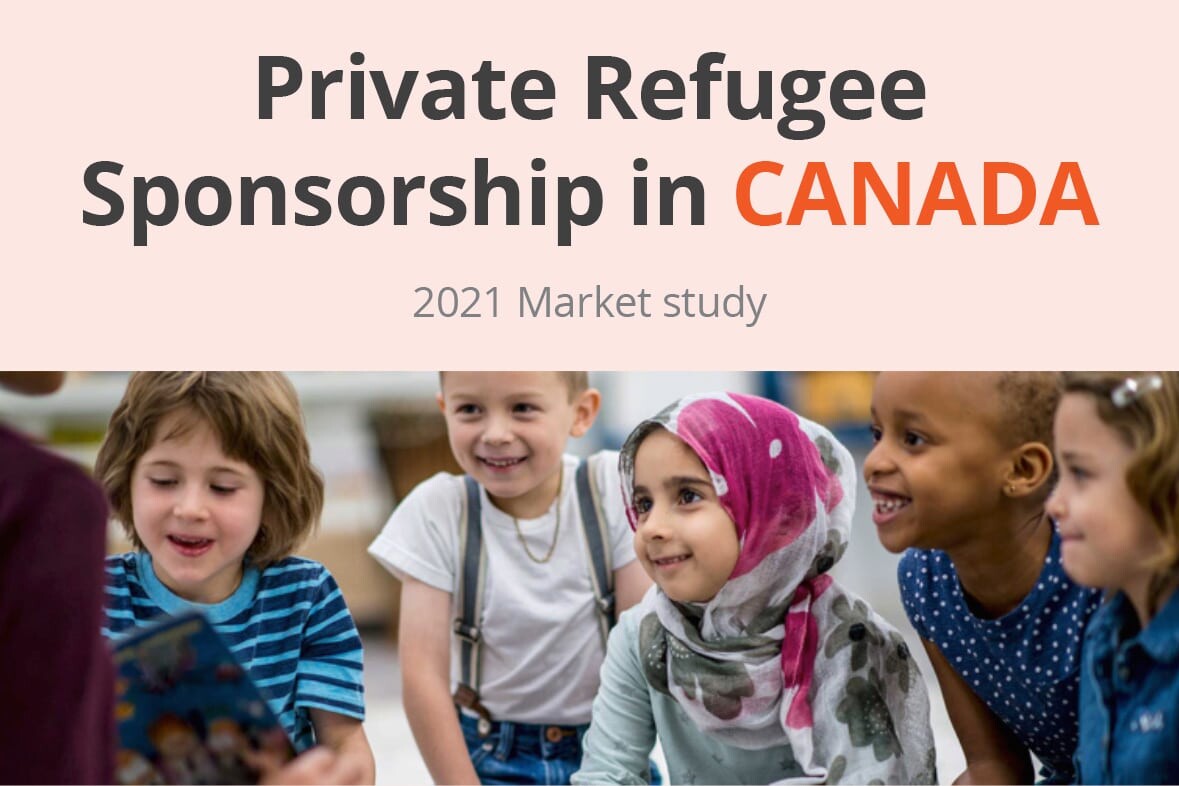
Private Refugee Sponsorship in Canada
Given the high profile that refugee resettlement received over the past five or so years, it is not surprising that there is widespread public awareness.
June 17, 2021
June 17, 2021immigration,multiculturalism,canadian identity,values,government role,civic engagementReport
The Role of Governments and the Division of Powers
The COVID-19 pandemic has presented governments in Canada with enormous challenges. While the current priority remains stemming the spread of the virus and accelerating the pace of vaccinations, governments are also looking ahead to the measures needed to shape an economic recovery.
April 19, 2021
April 19, 2021confederation of tomorrow,federalism,government roleReport
All in this Together?
A year into the COVID-19 pandemic, efforts to limit the spread of the virus continue to depend in large part on the willingness of citizens to modify their behaviours to conform with public health guidelines, notably those relating to physical distancing and wearing masks.
April 8, 2021
April 8, 2021confederation of tomorrow,federalism,government roleReport
COVID-19, public policy and government decision-making
The latest Focus Canada research reveals that, despite the many disruptions and challenges facing Canadians today, the public as a whole has never been more supportive of their country's welcoming path when it comes to immigration and refugees.
November 18, 2020
November 18, 2020focus canada,politics,COVID-19,government roleReport
Regional Perspectives on the Economy and Climate Change
Regional Perspectives on the Economy and Climate Change is the first in a series of reports that presents the results of this research. It focuses on the evolution of attitudes related to federalism, regionalism and nationalism, and more specifically on the related issues of energy and climate change policies in Canada.
October 14, 2020
October 14, 2020confederation of tomorrow,federalism,government roleReport
The Division of Powers and Resources
Regional Perspectives on the Economy and Climate Change is the first in a series of reports that presents the results of this research. It focuses on the evolution of attitudes related to federalism, regionalism and nationalism, and more specifically on the related issues of energy and climate change policies in Canada.
October 14, 2020
October 14, 2020confederation of tomorrow,federalism,government roleReport

Regional Perspectives on Politics and Priorities
The latest Environics Institute Focus Canada survey, conducted during the last two weeks of the recent federal election campaign, highlights some of the regional differences in outlook in Canada that are now reflected in the distribution of seats in the House of Commons.
November 12, 2019
November 12, 2019focus canada,federalism,government roleReport
Canadian Youth Reconciliation Barometer 2019
Canada’s relationship with the Indigenous Peoples who first inhabited this land continues to be largely unresolved and fraught with controversy.
July 9, 2019
AmericasBarometer 2017
The AmericasBarometer is a 29 country public opinion survey on democracy, governance and civic engagement, conducted every two to three years by a consortium of of research partners across the western hemisphere.
June 30, 2017
June 30, 2017politics,social capital,government role,democracy,americasbarometer,civic engagementReport
Public Opinion About Aboriginal Issues in Canada 2016
Canada’s relationship with the Aboriginal Peoples who first inhabited this land continues to be largely unresolved and fraught with controversy. The findings from the Truth and Reconciliation Commission is the latest compelling evidence of a troubled history and its contemporary legacy.
June 30, 2016
June 30, 2016indigenous peoples,racism,government role,discriminationReport
Canadian Public Opinion About Governance 2016
The world is changing rapidly, due in large part to fundamental transformations brought about by globalization, the digital revolution and social trends.
June 30, 2016

2015 Canadian Public Opinion on Climate Change
As part of its ongoing Focus Canada public opinion research program, the Environics Institute partnered with the David Suzuki Foundation to ask Canadians about climate change, to determine how perceptions have changed (or not) over the past year or so.
March 2, 2015
March 2, 2015focus canada,environment,government role,climate changeReport
Canadian Public Opinion on Governance and the Public Service
What does the public expect from governments, and how well do they believe their country, province and local municipality are governed?
December 31, 2014
Democracy in the 21st Century: 2013 Trudeau Foundation Annual Survey
What is current Canadian public opinion as it relates to people and their environment, human rights and dignity, responsible citizenship, and Canada's role in the world?
November 30, 2013

Canadian Public Opinion About Climate Change 2013
Where does the Canadian public stand today on the issue of climate change? Have Canadians lost interest or do they remain concerned and want strong actions to address the problem?
November 30, 2013
November 30, 2013focus canada,environment,government role,climate changeReport
Focus Canada 2012
Focus Canada is an ongoing public opinion research program that provides a credible, independent and sustained source of Canadian public opinion data on important issues facing the country.
February 28, 2013
February 28, 2013focus canada,politics,economy,government roleReport
The Common Good – Who Decides? 2012 Trudeau Foundation Annual Survey
In conjunction with the Ninth Annual Pierre Elliott Trudeau Foundation Conference, entitled "The Common Good: Who Decides?”, the Environics Institute for Survey Research conducted a national survey of Canadians around this theme of defining the common good.
November 30, 2012
November 30, 2012government role,democracy,civic engagementReport,Presentation
Focus Canada 2011
Public opinion matters – in all countries, but especially in democracies like ours. Public opinion research in the public interest makes an essential contribution to good governance and meeting societal challenges.
March 31, 2012
March 31, 2012focus canada,politics,economy,government roleReport
Focus Canada 2010
Public opinion matters – in all countries, but especially in democracies like ours. Public opinion research in the public interest makes an essential contribution to good governance and meeting societal challenges.
February 28, 2011
February 28, 2011focus canada,politics,economy,government roleReport
Canada’s World Survey
The Institute co-sponsored a national survey of Canadians’ engagement and involvement with the world outside our borders, as part of the Canada’s World initiative.
January 31, 2008
January 31, 2008united states,government role,lived experienceReport