


Building Faster?
Most Canadians support the federal government’s intention to act quickly to expand the country’s infrastructure, but not in the absence of agreements with its provincial or Indigenous partners.
May 11, 2026
May 11, 2026Reportconfederation of tomorrow,indigenous peoples,federalism,politics
Looking for something specific?

Rising concerns about the impact of new technologies on employment
In the past few years, evidence has appeared suggesting that concerns about the implications of technological change may be growing. According to the most recent survey waves, a growing proportion of workers are now expressing concern with the pace of change in general, and more specifically with the prospect of automation leading to unemployment.
December 15, 2025
December 15, 2025economy,artificial intelligence,survey on employment and skills,social change,technologyReport
Public Support for Child Care Programs in Canada
The purpose of the YMCA-YWCA National Survey on Child Care Policy in Canada was to explore the extent of public support for government subsidized child care programs in Canada, as well as the main factors influencing that support.
September 10, 2025
September 10, 2025social change,government role,child careReport

How working from home is affecting the workplace
Exploring how the shift to working from home is affecting job satisfaction, productivity, teamwork, and equity and inclusion is an important step in assessing the current state of the workplace in Canada.
November 28, 2024
November 28, 2024economy,survey on employment and skills,social changeReport
Canada’s Changing Population: Key Trends Shaping our Future
In 2024, YMCA Canada commissioned several reports to explore areas where significant changes lie ahead. The reports were launched at the 2024 YMCA National Conference in Halifax in June. The report on demographic change was prepared by the Environics Institute.
June 26, 2024
Social norms and racism in Canada
A new national research project documents for the first time the social norms that govern how Canadians think about and act on different types of racial micro-aggressive actions directed at people who are Indigenous or Black.
June 22, 2022
June 22, 2022racism,public opinion research,social change,government role,lived experience,discriminationReport
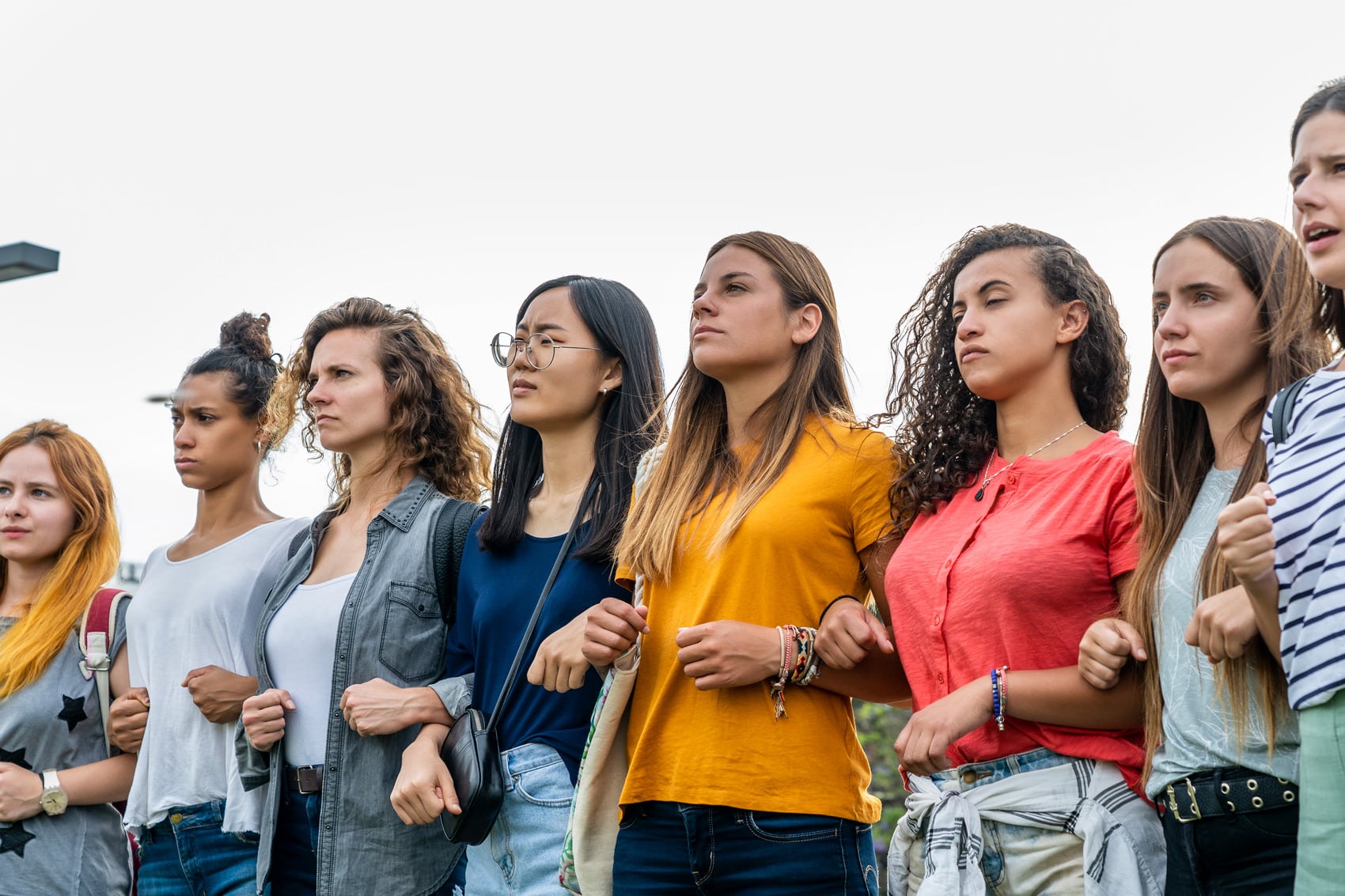
Women’s Equality and the Women’s Movement: an Update
The study provides an analysis of Canadian public opinion on issues facing women in Canada today and on the impact of the women’s movement. It compares the latest results to those from previous surveys conducted in the 1980s, 1990s and 2000s.
January 4, 2022
January 4, 2022focus canada,social change,gender inequalityReport
Canadian Public Opinion about Indigenous Peoples and Reconciliation
The survey reveals that, in the wake of these events, attitudes in Canada have shifted. There is a growing awareness of the mistreatment of Indigenous Peoples in Canada, including through the system of residential schools, and a growing willingness to say that the policies of Canadian governments is the main obstacle to achieving economic and social equality.
September 29, 2021
September 29, 2021focus canada,indigenous peoples,social changeReport

A Better Canada: Community, Citizenship and Engagement
The events of 2020 have disrupted every aspect of Canadians’ daily lives. What is less clear is the extent to which they have also changed their longer-term outlook.
December 18, 2020
December 18, 2020canadian identity,values,social change,civic engagementReport
Identity, Values and Language
The third report explores issues relating to identity, values and language.
October 29, 2020
October 29, 2020confederation of tomorrow,federalism,canadian identity,values,social change,religionReport

Canadian public opinion about racism and discrimination
The killing of George Floyd, an African-American, by white police officers in Minneapolis earlier this year sparked anti-racism protests across the United States and around the world, along with a wider public discussion of anti-Black racism and systemic racism.
October 24, 2020
October 24, 2020focus canada,racism,social change,discriminationReport
A Better Canada: Values and Priorities after COVID-19
Five months after the onset of the COVID-19 pandemic in Canada, the Environics Institute for Survey Research and the Vancouver City Savings credit union joined forces to conduct a comprehensive study of public opinion about what Canadians are expecting from their governments, from corporations and from one another.
September 22, 2020
September 22, 2020politics,COVID-19,social change,democracyReport

Adapting to the changing world of work
The survey finds that Canadians tend to have a positive assessment of both the impact of technological change and the value of the post-secondary education and skills training that they have received.
September 16, 2020
September 16, 2020economy,survey on employment and skills,social changeReport

Intergenerational Mobility in Canada
A succession of economic downturns over the last decades has led many to express concerns that the next generation of Canadians will be less, and not more, well-off than the ones that preceded it.
January 15, 2020
January 15, 2020focus canada,economy,social change,youthReport
Race Relations in Canada 2019
This study confirms the reality of racism in Canada. Also important, it shows that this reality is widely if not universally acknowledged. Many Canadians across different racial backgrounds report experiences of racism and discrimination due to race, and also recognize that it also affects others of their own race and from other racial groups.
December 10, 2019
December 10, 2019race relations,racism,race relations in canada survey,social change,lived experience,discriminationReport

Influence in Canadian Politics
Concerns have long been expressed about the extent of influence exercised by powerful or well-connected groups in society over the direction of the government.
November 19, 2019
November 19, 2019focus canada,politics,social change,democracyReport
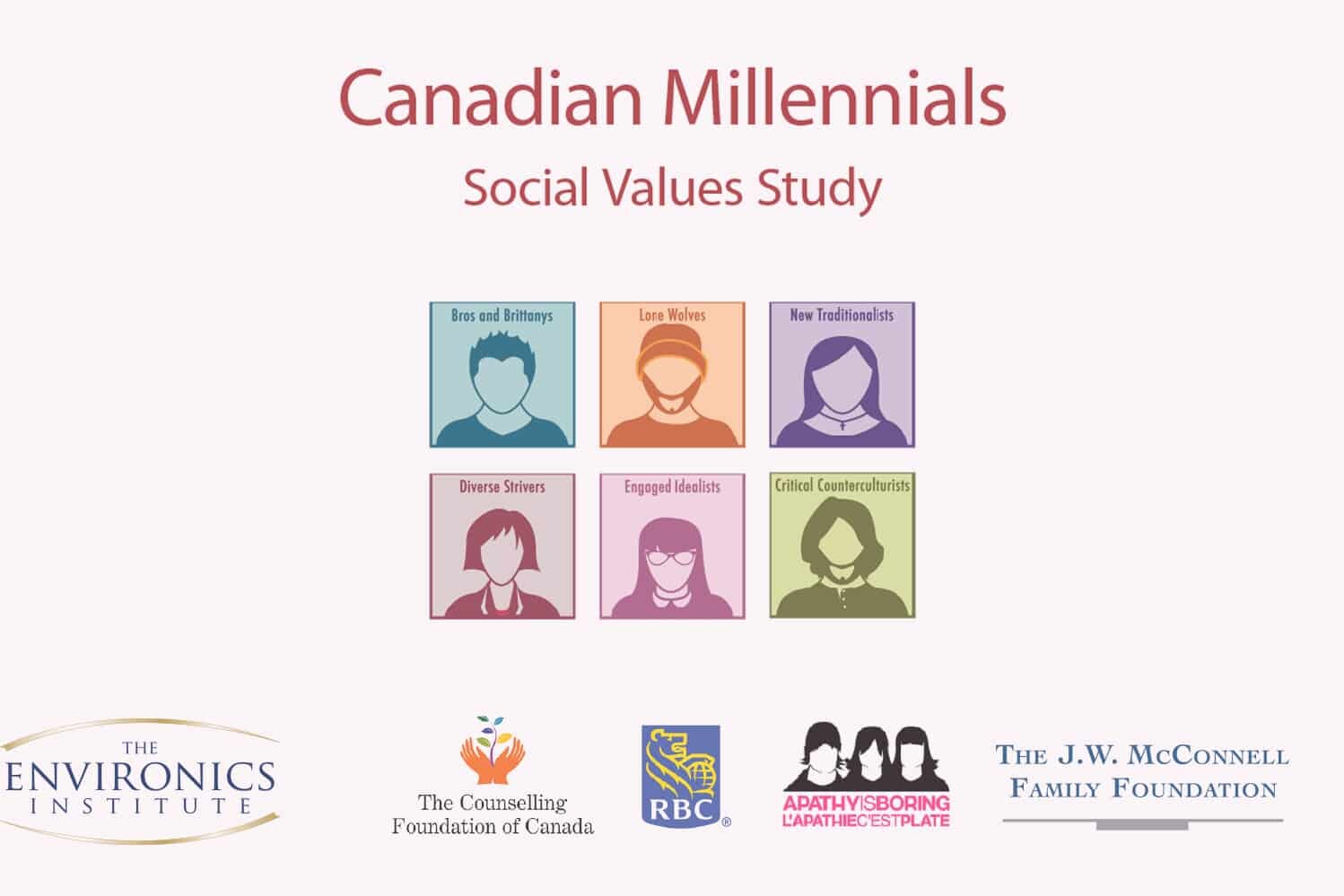
Canadian Millennial Social Values Study
A major national survey conducted in 2016 reveals a bold portrait of Canada’s Millennials (those born between 1980 and 1995), that for the first time presents the social values of this generation, and the distinct segments that help make sense of the different and often contradictory stereotypes that so frequently are applied to today’s young adults.
February 28, 2017
February 28, 2017social values,social change,youth,millennials & genz,michael adamsReport