


Building Faster?
Most Canadians support the federal government’s intention to act quickly to expand the country’s infrastructure, but not in the absence of agreements with its provincial or Indigenous partners.
May 11, 2026
May 11, 2026Reportconfederation of tomorrow,indigenous peoples,federalism,politics
Looking for something specific?
Public support for autocratic leaders in Canada and the USA
In the current political context, how do Americans and Canadians feel about the powers afforded to their national leader over other branches of government and the media?
February 23, 2026
February 23, 2026politics,united states,democracy,americasbarometer,populismReport
Democracy and the fairness of elections in Canada
Satisfaction with democracy, trust in elections, and the sense that votes are always counted fairly, have all declined steadily and significantly among Conservative Party supporters since the party lost power a decade ago – and in the context of four consecutive election losses.
November 21, 2025
November 21, 2025politics,democracy,americasbarometer,civic engagementReport
Federal-provincial relations: public perceptions
The study finds that views on whether federal and provincial governments are working well together have not changed that much over the past two decades. However, compared to the early 2000s, Canadians are less likely to blame both governments equally when conflict arises, and more likely to take sides by blaming either the federal government or their provincial government.
June 6, 2024
June 6, 2024confederation of tomorrow,federalism,politics,canadian politics,democracyReport
Addressing climate change in the Canadian federation
Canadians are evenly divided on the relative priority that should be given to protecting the environment versus protecting jobs. The emphasis placed on environmental protection has declined since 2023 across the population.
May 10, 2024
May 10, 2024confederation of tomorrow,environment,federalism,economy,government role,democracyReport
Trusting federal and provincial government decision-making on key issues
Canadians are losing trust in the ability of both the federal government and their provincial governments to deal with key issues such as health care, climate change, immigration or the economy.
April 17, 2024
April 17, 2024confederation of tomorrow,federalism,politics,democracyReport
Trust in Political Institutions in Canada
The AmericasBarometer surveys measure trust in a range of political institutions and actors on a seven-point scale. Here is a summary of the most recent results for Canada, showing the trend since 2010.
March 17, 2024
March 17, 2024politics,social capital,democracy,americasbarometerReport
Support for Democracy in Canada
This report focuses on the extent of public support for democracy in Canada, and examines whether this support has been weakening over time. The analysis is based on the results of the Canadian portion of the AmericasBarometer surveys, which track opinions on a consistent set of questions about democracy and its alternatives.
March 7, 2024
March 7, 2024politics,economy,democracy,americasbarometerReport
Citizen Voice
Are citizens feeling increasingly ignored by their governments in Canada? The evidence from the Canadian portion of the 2023 AmericasBarometer survey is mostly reassuring.
October 26, 2023
October 26, 2023politics,democracy,americasbarometer,civic engagementReport
Trust in Elections
Political news headlines in 2023 have been dominated by concerns about potential interference by foreign governments in recent Canadian elections, with opposition parties calling for a public inquiry into the matter.
September 25, 2023
September 25, 2023politics,democracy,americasbarometer,civic engagementReport

Confidence in Leaders
In 2021, almost a year into the COVID-19 pandemic, the Confederation of Tomorrow Survey of Canadians addressed the issue of public confidence in scientists, government medical advice and political leaders.
May 2, 2023
May 2, 2023confederation of tomorrow,politics,social capital,democracyReport

Satisfaction, Outlook and Opportunities
The survey finds that younger Canadians have grown more dissatisfied with the way things are going in the country, and more pessimistic about prospects for the next generation.
December 16, 2022
December 16, 2022focus canada,politics,canadian identity,economy,COVID-19,democracyReport
Public Opinion in Canada and the United States
The diminishing concern about the impact of free trade on Canada’s cultural identity coincides with some sharp differences of opinion between Canadians and Americans on prominent social issues.
December 9, 2022
December 9, 2022focus canada,politics,canadian identity,racism,government role,democracy,discriminationReport
Democracy and Political Polarization in Canada and the U.S.
This presentation compares the results in Canada and the United Sates. It shows that American politics remains highly polarized in several senses; for instance, there are significant gaps in trust in the political system between those who identify as liberals and those who identify as conservatives.
December 20, 2021
December 20, 2021politics,united states,democracy,americasbarometerReport
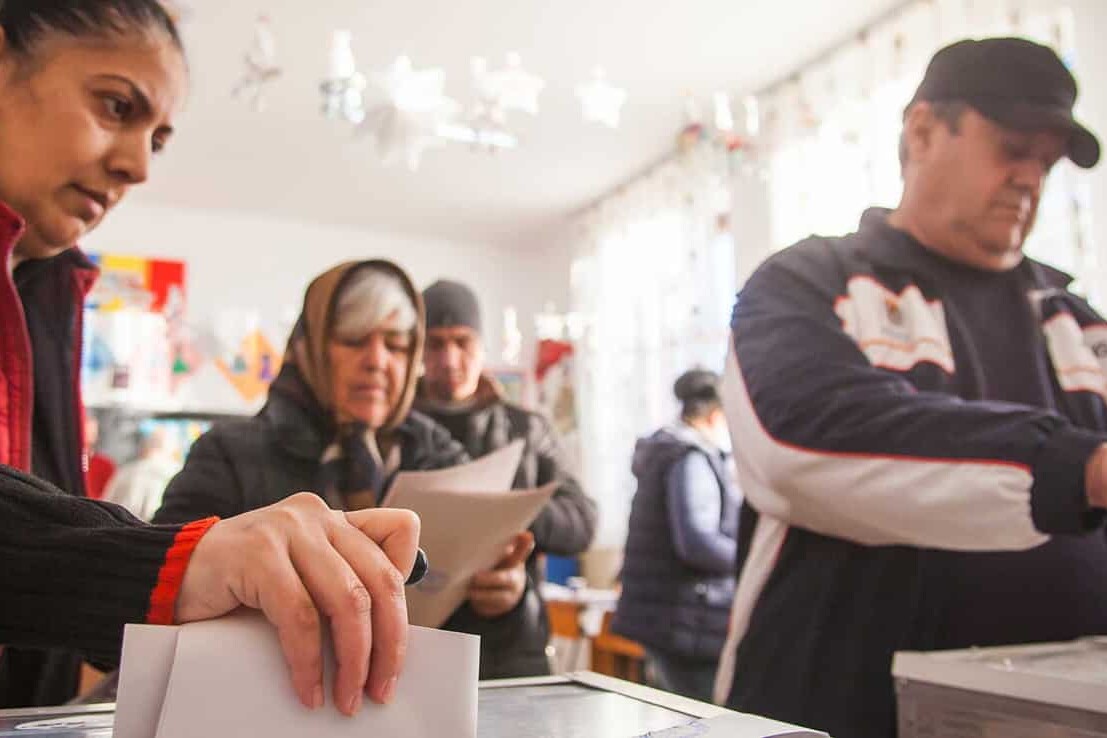
Support for Democracy in Canada
This report explores the current state of public trust in democratic institutions and actors in Canada, and how this may have changed over time. The data are drawn from the 2021 AmericasBarometer survey in Canada.
September 6, 2021

A Better Canada: Values and Priorities after COVID-19
Five months after the onset of the COVID-19 pandemic in Canada, the Environics Institute for Survey Research and the Vancouver City Savings credit union joined forces to conduct a comprehensive study of public opinion about what Canadians are expecting from their governments, from corporations and from one another.
September 22, 2020
September 22, 2020politics,COVID-19,social change,democracyReport

Political Polarization in Canada and the U.S.
This report explores the issue of political polarization in Canada and the United States through an analysis of public opinion data about democracy collected over the past decade.
March 17, 2020
March 17, 2020politics,united states,democracy,americasbarometerReport

Public Support for Canada’s Political System
Previous research has shown that satisfaction with political institutions and trust in political actors in Canada has gradually been rising over the past decade. This report pushes this analysis deeper, by focusing not only on the national trend, but on sub-national ones as well.
January 27, 2020
January 27, 2020federalism,politics,democracy,americasbarometerReport

Influence in Canadian Politics
Concerns have long been expressed about the extent of influence exercised by powerful or well-connected groups in society over the direction of the government.
November 19, 2019
November 19, 2019focus canada,politics,social change,democracyReport
Confidence in Democracy and the Political System
This report examines current levels of public support for democracy, democratic institutions and the political system in Canada and how these have evolved over the past decade.
September 11, 2019
September 11, 2019democracy,americasbarometer,civic engagementReport
Canadians’ Satisfaction with Public Services
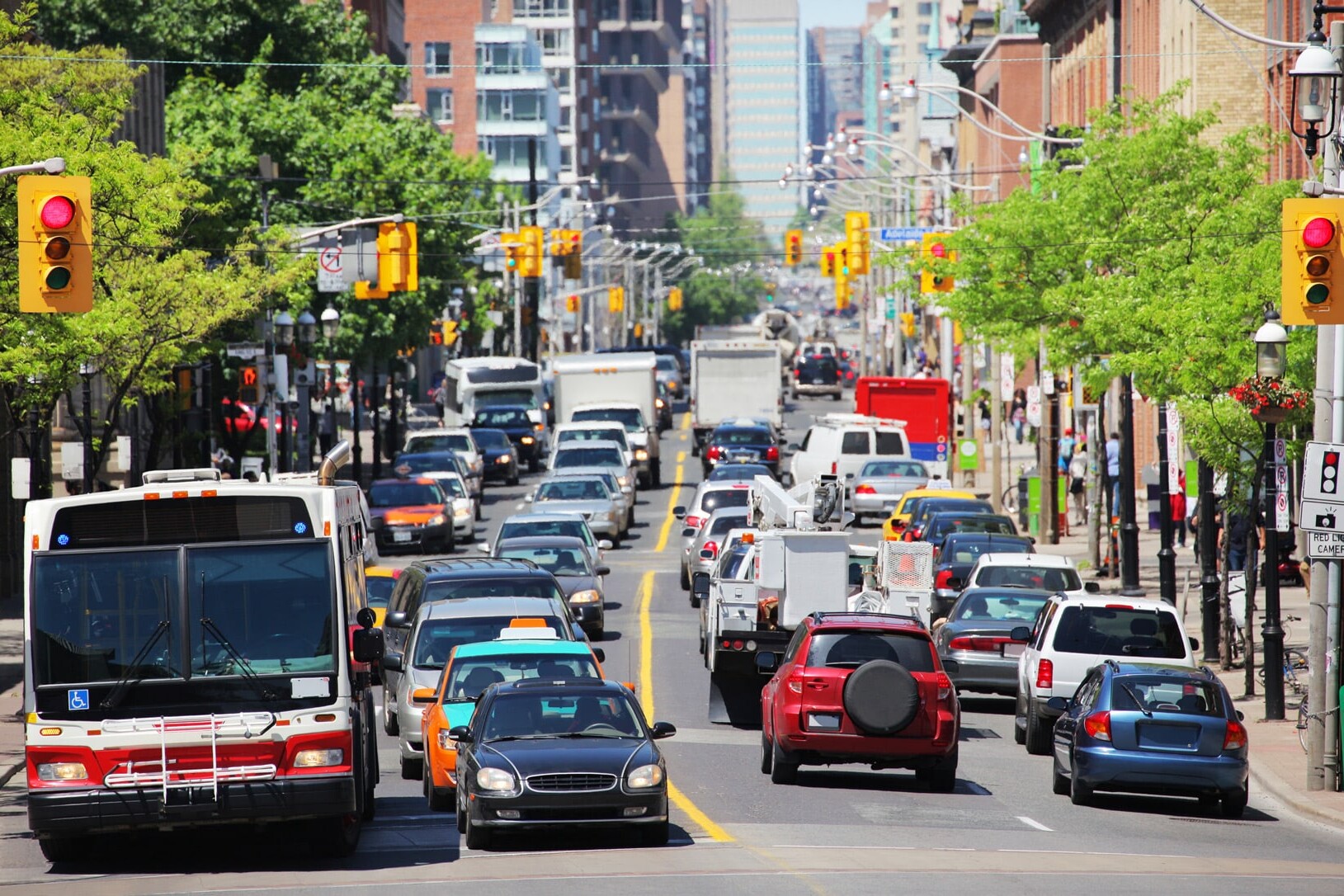
How satisfied are Canadians with some of the most important services that governments provide? This report tackles this question by providing an updated look at Canadian public opinion, as it is changing over time and in comparison to other countries around the world.
September 11, 2019
September 11, 2019politics,racism,democracy,discrimination,public servicesReport
Perceptions of Gender and Political Leadership
New survey data collected by the Environics Institute suggest that one obstacle to recruiting more female candidates for public office is the difference in the degree to which men and women see themselves as qualified to run for election, and the extent of the encouragement that they receive to do so.
September 5, 2019
September 5, 2019politics,gender inequality,democracy,americasbarometerReport
AmericasBarometer 2017
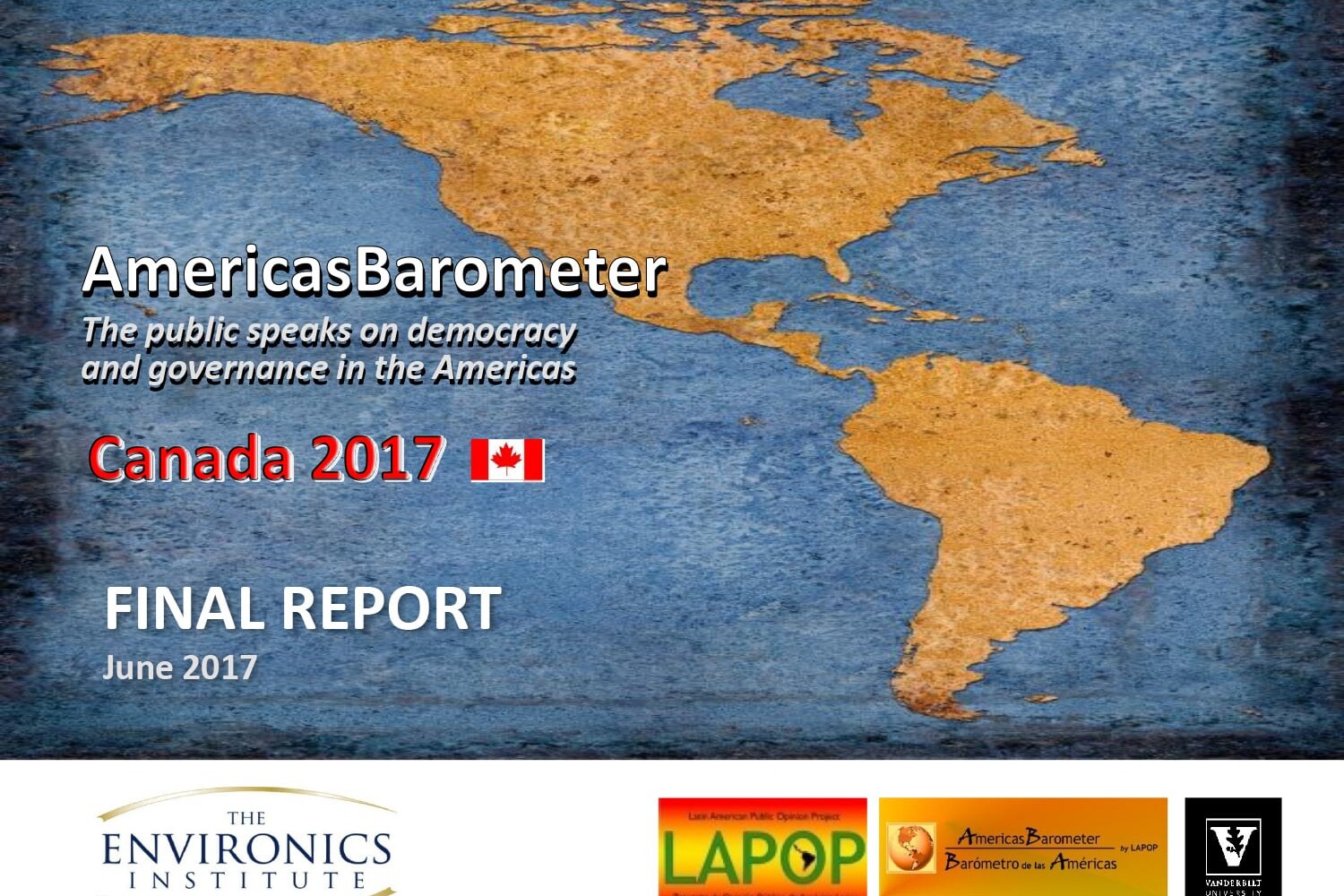
The AmericasBarometer is a 29 country public opinion survey on democracy, governance and civic engagement, conducted every two to three years by a consortium of of research partners across the western hemisphere.
June 30, 2017
June 30, 2017politics,social capital,government role,democracy,americasbarometer,civic engagementReport

Global Survey on Women as National Leaders
Throughout history, politics has been largely a man’s world. The 20th century witnessed significant changes, through women’s suffrage and the emergence of women as leaders of parties and nations, albeit at a slow pace and unevenly across the globe.
February 28, 2017
Canadian Public Opinion About Governance 2016
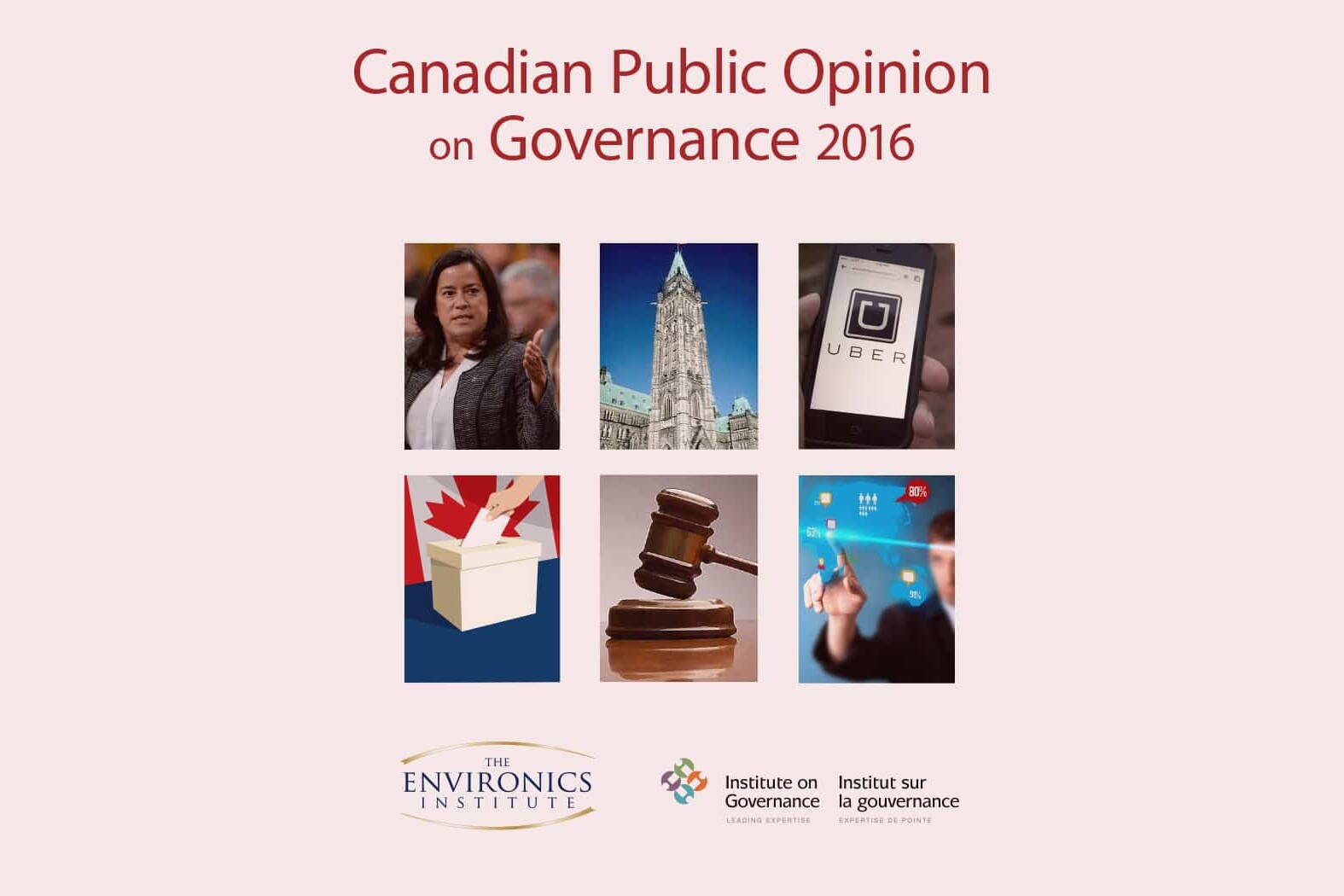
The world is changing rapidly, due in large part to fundamental transformations brought about by globalization, the digital revolution and social trends.
June 30, 2016
Canadian Public Opinion on Governance and the Public Service
What does the public expect from governments, and how well do they believe their country, province and local municipality are governed?
December 31, 2014
AmericasBarometer 2014
The AmericasBarometer is a multi-country public opinion survey on democracy, governance and civic engagement, conducted every two years by a consortium of of research partners across the western hemisphere. The 2014 survey included 26 countries, encompassing 99% of the population of the Americas.
November 30, 2014
Democracy in the 21st Century: 2013 Trudeau Foundation Annual Survey
What is current Canadian public opinion as it relates to people and their environment, human rights and dignity, responsible citizenship, and Canada's role in the world?
November 30, 2013
AmericasBarometer 2012
The public speaks on democracy and governance in Canada and across the Americas.
November 30, 2012
The Common Good – Who Decides? 2012 Trudeau Foundation Annual Survey
In conjunction with the Ninth Annual Pierre Elliott Trudeau Foundation Conference, entitled "The Common Good: Who Decides?”, the Environics Institute for Survey Research conducted a national survey of Canadians around this theme of defining the common good.
November 30, 2012
November 30, 2012government role,democracy,civic engagementReport,Presentation
Canadians on Citizenship
Canada’s history is one of successive waves of people arriving on its shores, each having to find their place among those who preceded them.
February 7, 2012
February 7, 2012canadian identity,values,democracy,civic engagementReport