

Trump, Trudeau and patriarchy
As icons of masculinity, it would be hard to find a more vivid contrast than that between US president Donald Trump and Canadian prime minister Justin Trudeau.
As many turn away from immigrants, Canada continues our embrace
Although mass migration has been happening for decades, in recent years the flight of refugees from conflict zones in Africa and the Middle East has produced striking images of desperate people searching for a safe place to land.
No consensus on electoral reform in sight but Canadians still believe their democracy works
Our world is changing rapidly, due in large part to fundamental and often disruptive transformations brought about by the globalization of economic production, finance and the migration of people, as well as the digital revolution and rapidly evolving social values.
The real threat: Immigrants in Canada or Kellie Leitch’s divisive politics?
Conservative leadership hopeful Kellie Leitch attracted attention last week with a proposal to screen would-be newcomers to Canada for "anti-Canadian values."

Trudeau channels Liberal values perfectly
Even as most of us are glued to America's rancorous election, some Canadians--notably committed Conservatives and New Democrats--are charged with choosing leaders whose ideas and personal identities will rally current supporters and even attract some new ones.
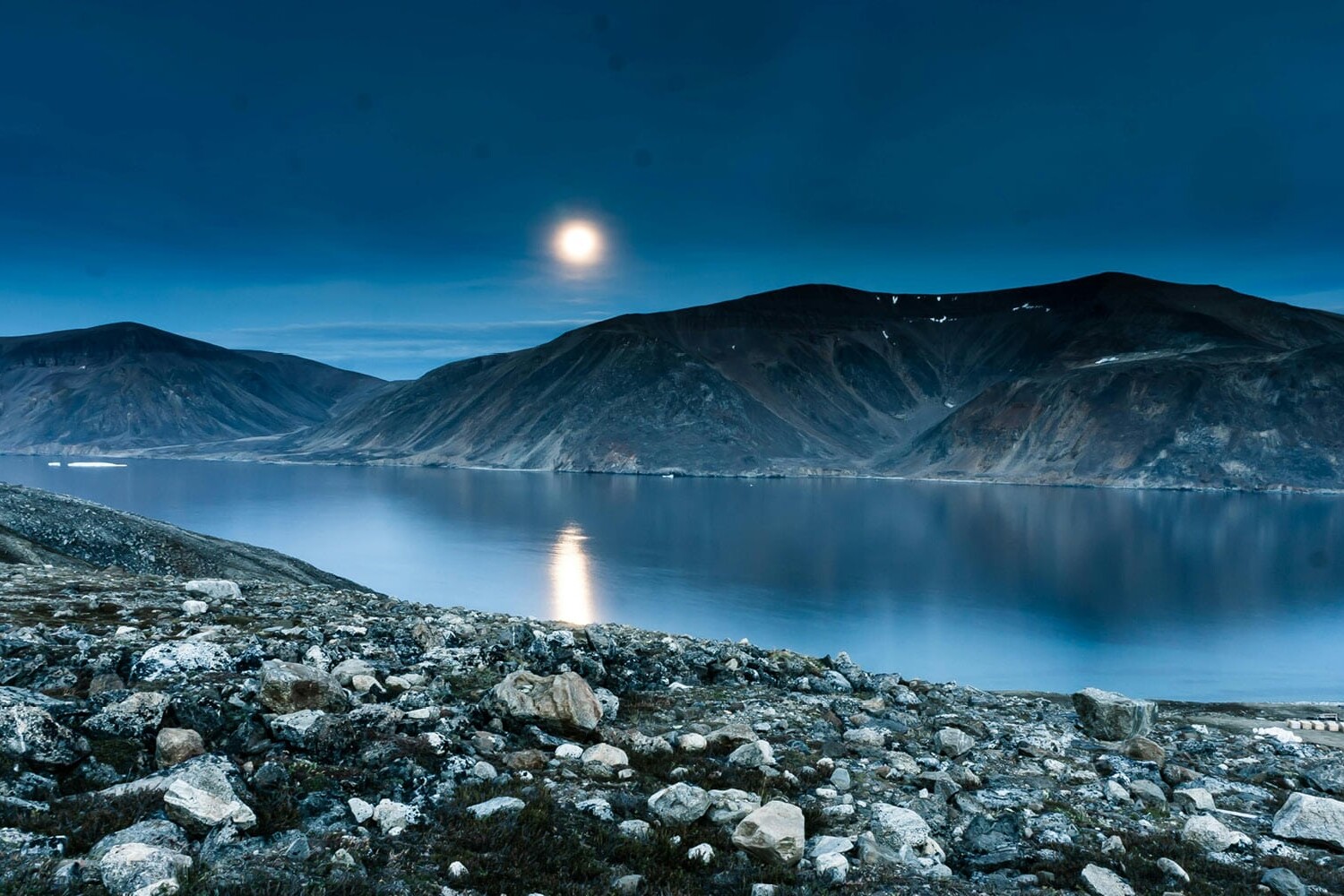
The door to reconciliation is truly open
Indigenous issues in Canada have been prominent in the news over the past few years. The Idle No More movement, the Truth and Reconciliation Commission (TRC), and the Trudeau government's initiation of a public inquiry into missing and murdered indigenous women have each helped to bring mainstream attention to long-standing concerns of First Nations, Métis, and Inuit peoples.
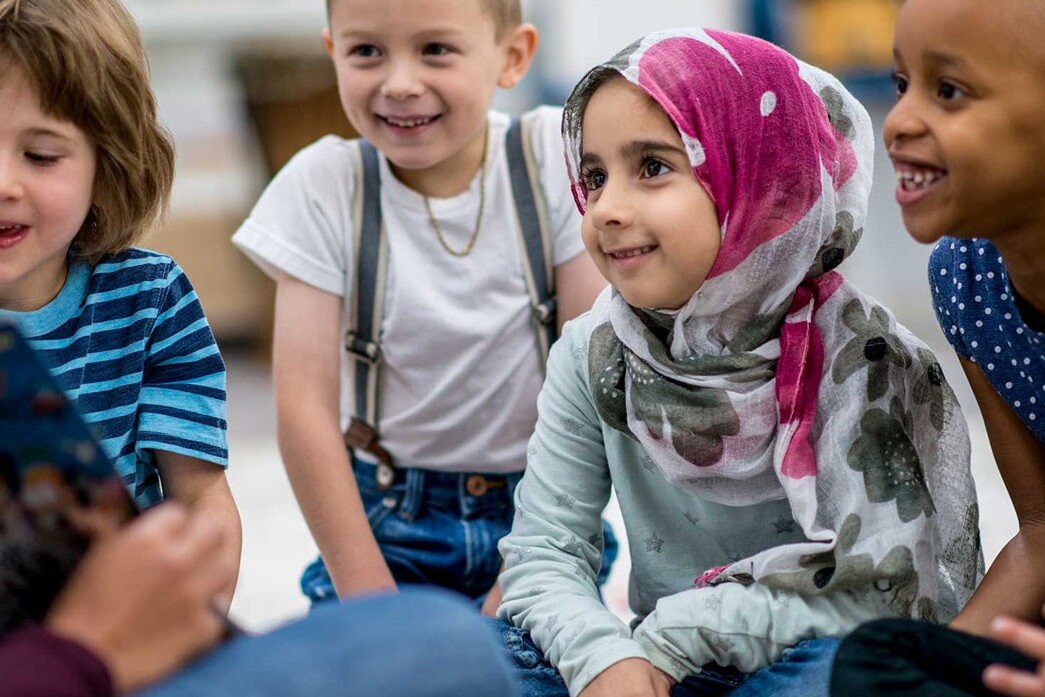
Why Muslims are proud Canadians
On any given day, Canadians might wake up to a range of news stories related to Muslims in Canada. Most recently, it might be a story about Muslims and non-Muslims working together to welcome some of the 25,000 Syrian refugees who have arrived here in recent months.
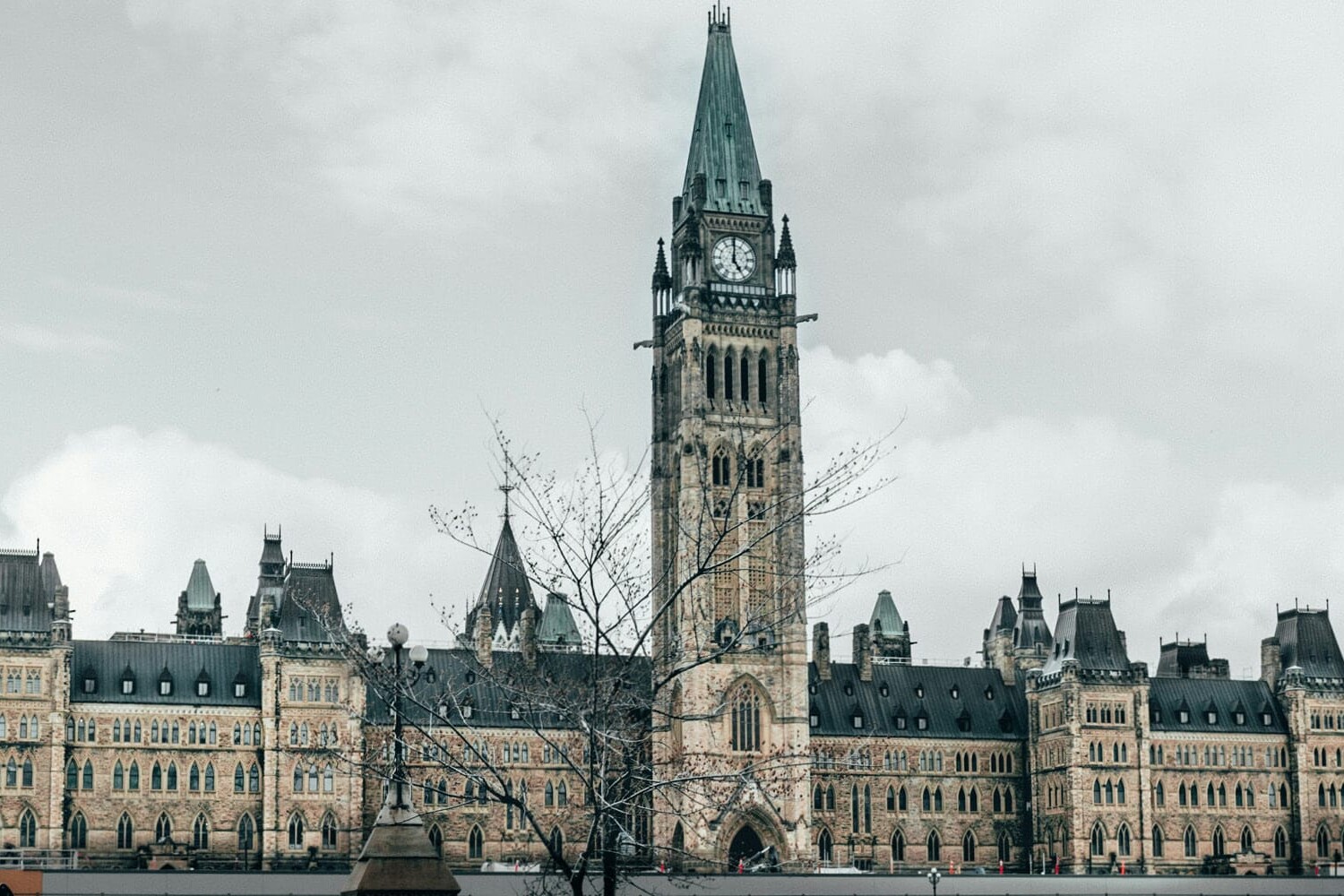
Take pride that Parliament reflects the face of Canada
"Because it's 2015," was Justin Trudeau's memorable response to a reporter's question about why he had made it a priority to have gender parity in his cabinet. The composition of the 42nd Parliament suggests that Canadians agree with their new Prime Minister that as one of the world's most diverse countries approaches its 150th birthday, the identities of its political representatives should match the identities of its population.

Distinct societies: Why Canada, US diverge on Syrian refugees
Two-thirds of Canadians (65%) support the Liberal government’s promise to bring 25,000 Syrian refugees to Canada, according to a recent Nanos survey. About a third (34%) oppose the move either strongly or somewhat.
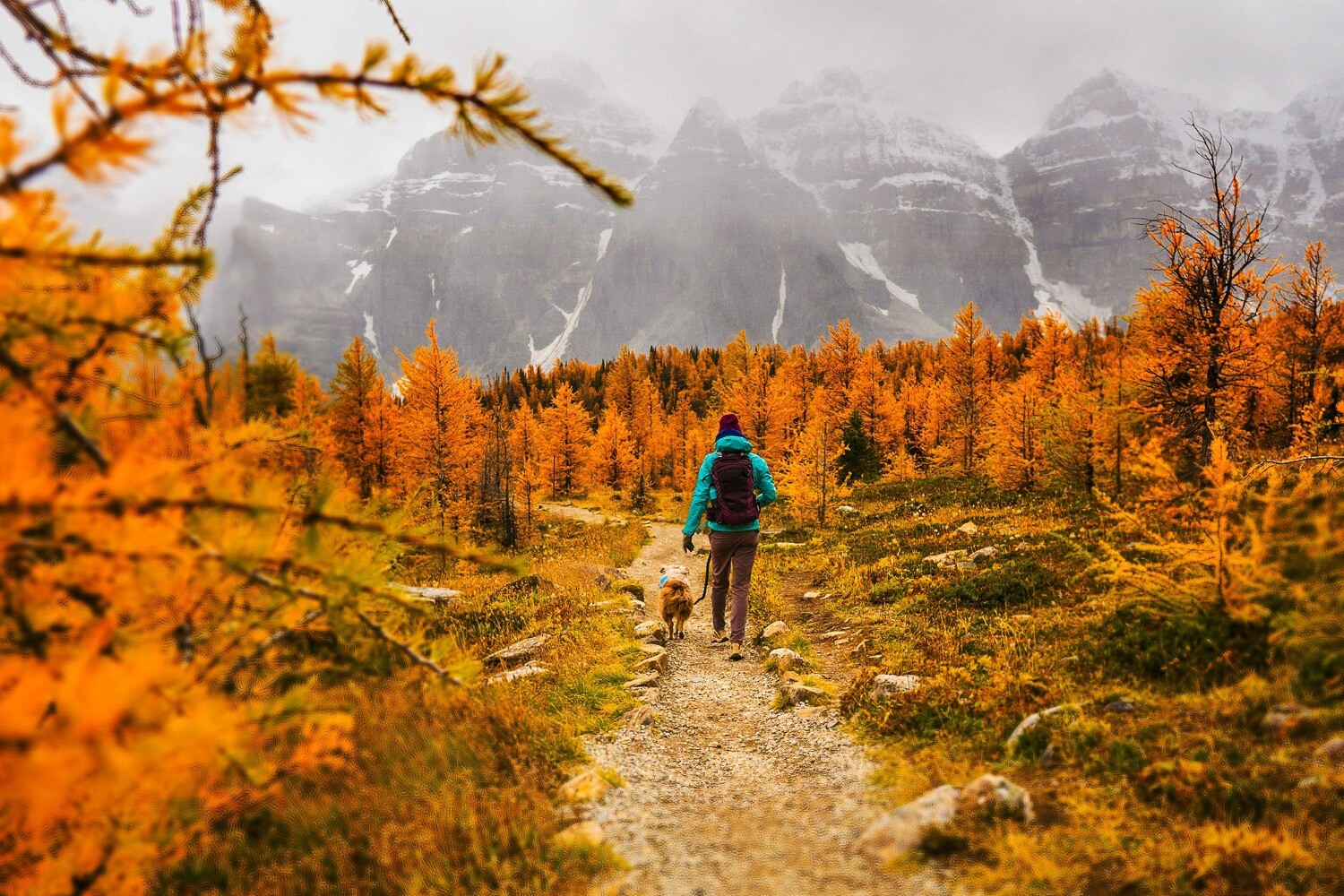
Are Canadians on-side with Trudeau in fighting climate change?
The 42nd federal election is now over, and the deconstruction of what it was really about will go on for some time. What is already clear is that the outcome was driven primarily by a growing desire for change after almost a decade of Conservative government.