

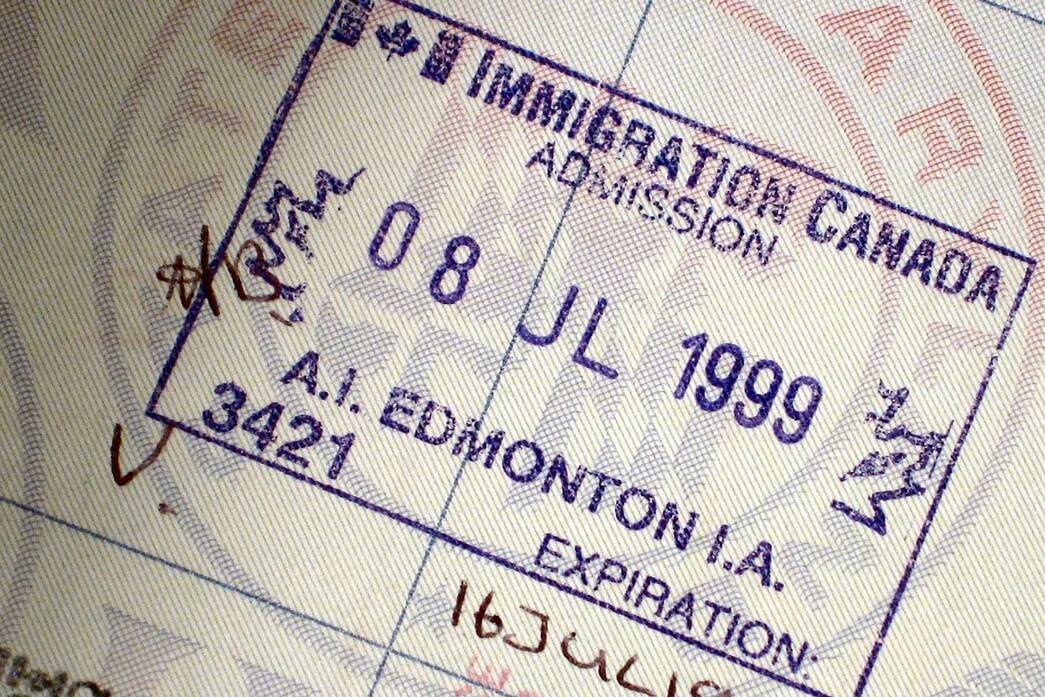
The conversation around immigration in Canada is shifting
Canada has long been an immigrant nation, starting more than four centuries ago when the first European settlers arrived on what many Indigenous Peoples call Turtle Island. Today, Canada stands out as having one of the most ethnically diverse populations on the planet.

The shift to working from home will be difficult to reverse
The onset of the COVID-19 pandemic triggered a sudden disruption of everyday life. While many things are back to the way they were before, one change has proven harder to reverse: working from home.
Canada is sorry – a lot. We shouldn’t apologize for that
A lighthearted stereotype of Canadians holds that we’re prone to apologizing, and under an absurdly broad array of circumstances. When someone steps on the toes of a Canadian, the joke goes, it’s the Canadian who will say sorry.
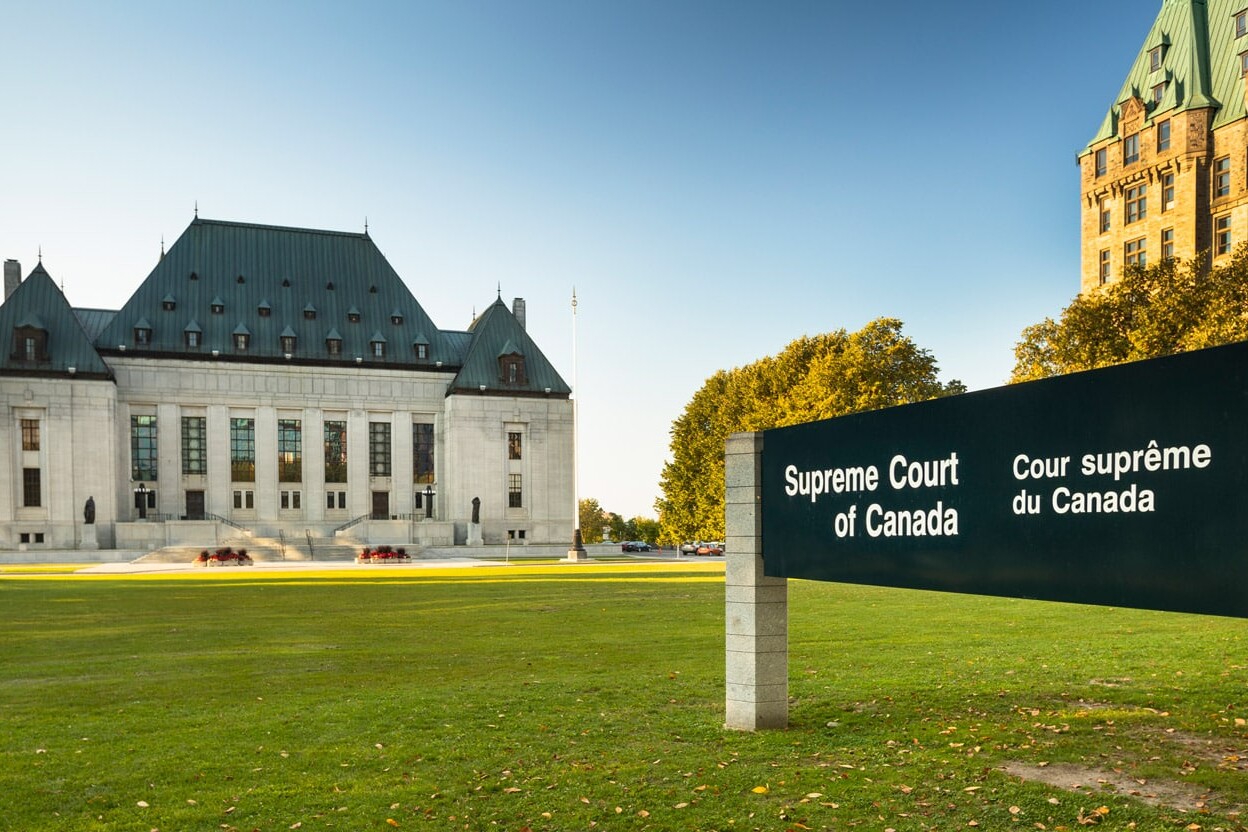
‘Notwithstanding’ support for the Charter of Rights, there’s work to do
While Canada’s history has been marked by divisive constitutional disputes, one part of the Constitution brings us together: the Charter of Rights and Freedoms. The Charter is seen by more people as being very important to their identity as Canadians than any other institution or symbol. It is held in high esteem in every region of the country, including Quebec.

Is one region favoured by Ottawa?
Discussions of how Canadians view their federation inevitably zero in on regional differences. Western Canadians are alienated, Quebecers are nationalist, Atlantic Canadians feel overlooked and Ontarians are more or less oblivious.

How to build a safer Toronto
A series of attacks in Toronto — many occurring within the public transit system — has shone the spotlight on the issue of crime and safety in the city. As we search for solutions, we should start by thinking about who among us feels more vulnerable.

Don’t overlook the role that schools and teachers play in welcoming refugees to Canada
A series of attacks in Toronto — many occurring within the public transit system — has shone the spotlight on the issue of crime and safety in the city. As we search for solutions, we should start by thinking about who among us feels more vulnerable.

One issue on which Canadians aren’t polarized — the U.S.
It is easy to list the political issues that divide Canadians today. Leaders and parties stand far apart on what to do about health care, climate change and firearms, to name but a few.

Canada must continue to modelling its refugee efforts on its response to the Syrian crisis
The arrival of Syrian refugees in Canada a few years ago is a well-known “feel-good” story. Images of Justin Trudeau greeting refugees at the airport and private citizens stepping up as sponsors are etched in the minds of many Canadians.

Canada needs a bolder approach to skills training
With labour unrest back in the headlines, it is reassuring to know there is at least one thing on which workers and bosses can agree: skills. In particular, both sides are on the same page when it comes to the type of skills needed to succeed in today’s economy.