


Black experiences with racism in Canada
This month marks the five-year anniversary of George Floyd’s tragic murder at the hands of the Minneapolis Police in May 2020. This event took place at a time of growing tension around police violence directed at the Black community in a number of cities, and sparked a massive wave of protests and demonstrations across the USA and other countries advocating for racial justice.
Indigenous experiences with racism in Canada
This year marks 10 years since the Truth and Reconciliation Commission finished its work investigating the history and impacts of Canada’s Indian Residential School system. The commission’s final report marked the completion of a painful yet essential process of testimony and revelation, but even more important the starting point for the country’s reckoning with its colonial legacy.

A social values journey down memory lane
On May 9, 2025, Michael Adams is being inducted into Canada’s Marketing Hall of Legends. The award recognizes Michael's decades of helping people understand one another. Long-time friend and colleague Barry Watson has written a reflection on his influence on research, marketing, and society. | By Barry Watson
Personal experience with hate in Canada
Hate motivated aggression is becoming alarmingly common in Canada. This typically takes the form of blatant disrespect, abuse and sometimes violence motivated by hatred or bias directed at physical symbols (such as a mosque or synagogue), individuals or groups of people, or communities as a whole. | By Keith Neuman

Now is not the time for Canada to walk away from diversity, equity and inclusion
Canada is a much different place than it was three years ago. In 2021, the topic of racial justice was front and centre in the public discourse in response to George Floyd’s tragic murder, the Black Lives Matter movement, anti-Asian harassment, and uneven progress toward reconciliation with Indigenous peoples. | By Michael Adams, Marva Bailey-Wisdom & Keith Neuman
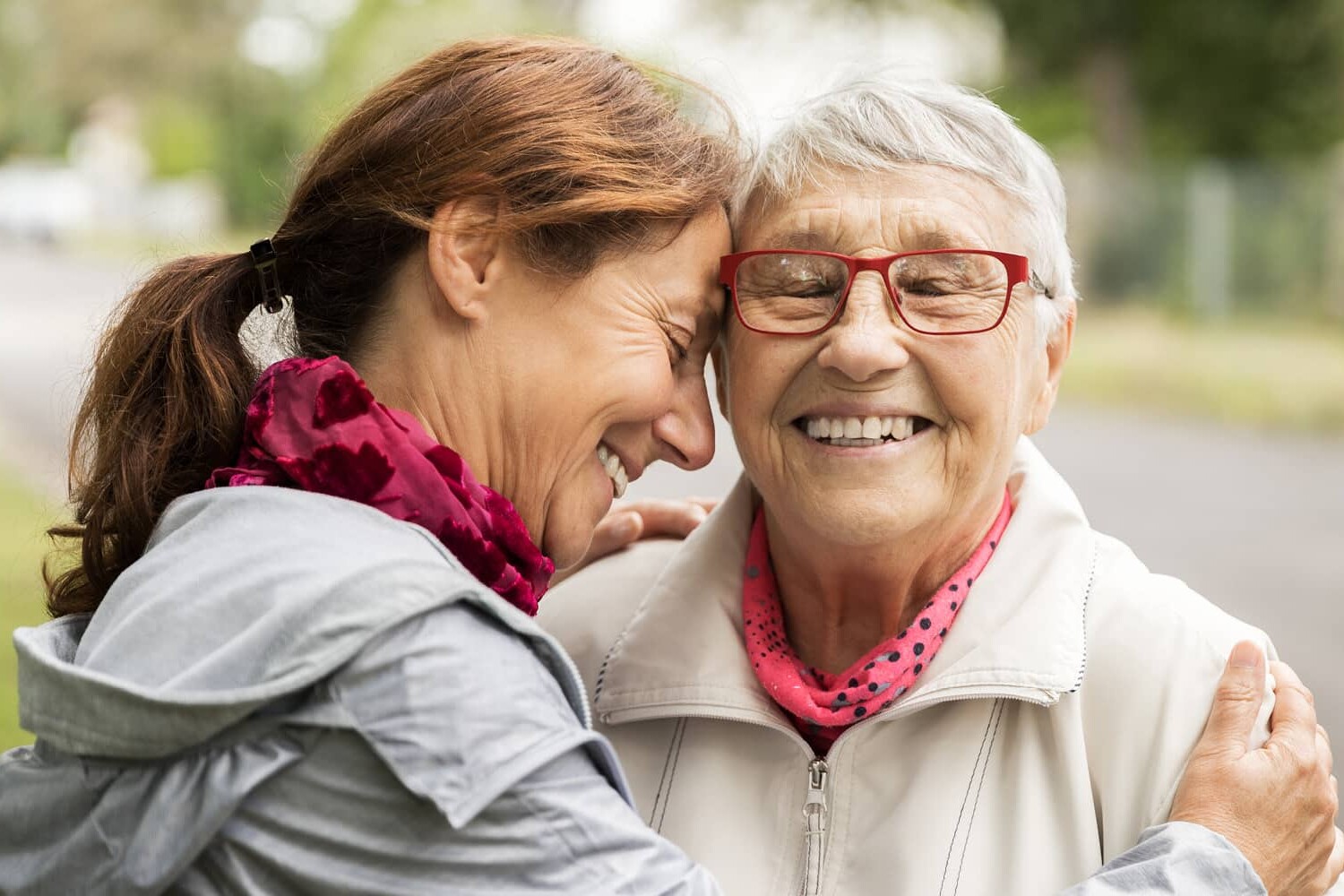
Ageism is about more than disrespecting seniors
Prejudice against older people is relatively new in historical terms, reflecting a profound change from previous eras when elders were widely respected and often dominated positions of power and status. In today’s rapidly changing world, what was once valued in elders for their wisdom and connection to the past no longer seems to count for much as it once did. | By Keith Neuman
Five public-opinion trends to watch in 2025
Survey research asks about what just happened. Unfortunately, what everyone really wants to know is: what’s going to happen next? I don’t pretend to have the answer. But I do have some ideas about what to watch for. | By Andrew Parkin
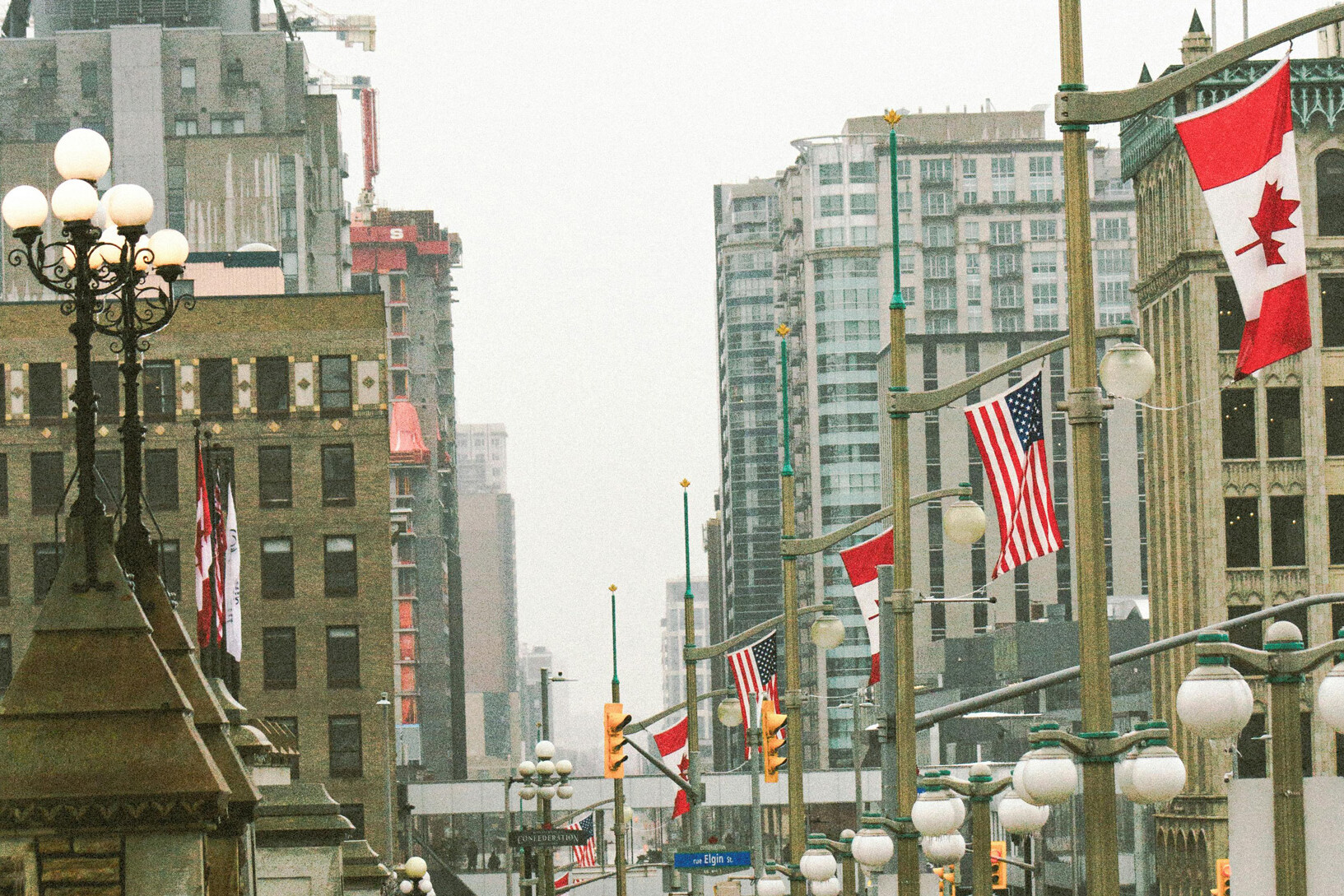
Are Canada and the United States now back on a path towards political and cultural convergence?
Holiday dinners are sometimes about making the best of an awkward situation, forcing smiles and exchanging pleasantries with people you’d rather not be sitting next to for very long. That’s just what Justin Trudeau did at the end of November, when he flew to Florida to dine with the incoming president of the United States. | By Michael Adams & Andrew Parkin

Canadian governments need a new way to measure poverty
A new scale called the material deprivation index is better than the market-based measure when it comes to capturing the scope of poverty. By Michael Mendelson, Andrew Parkin, Geranda Notten, Richard Matern & Sofia Seer
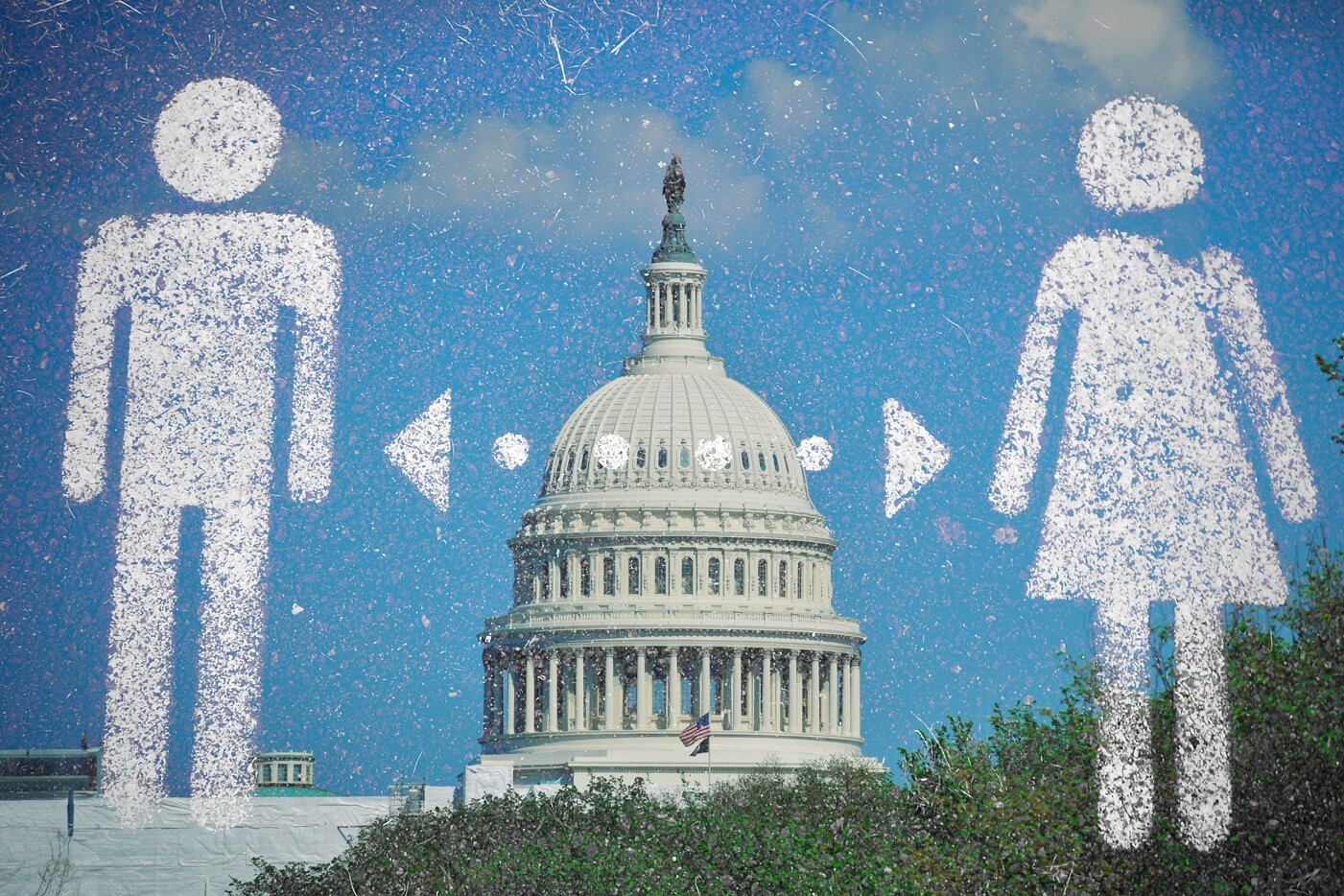
Why is the Trump campaign getting involved in the gender wars? They’re reading the room
Joe Biden’s frailty was an easy target for Donald Trump and the Republicans, but Kamala Harris’s presumptive presidential nomination at the upcoming Democratic Party convention in Chicago means they must change tack. | By Michael Adams & David Jamieson