


Free trade wasn’t just Mulroney’s key achievement – it is one of the most dramatic public opinion turnarounds in Canada’s history
Since Brian Mulroney’s death last month, pundits and the public alike have reflected on his political acumen and accomplishments. The negotiation of the free-trade deal with the United States tops everyone’s list of his achievements as prime minister. | By Michael Adams & Andrew Parkin

The mood was bleak in 2023, but fret not – we’ve been here before
It was quite a year in Canada. Satisfaction with the federal government and the Prime Minister nosedived. The governing party was eclipsed in the polls by the Official Opposition. Public anxiety about the economy grew, and as it did, support for immigration weakened. Despite a global summit on the environment, the issue of climate change struggled to make it to the top of the political agenda.
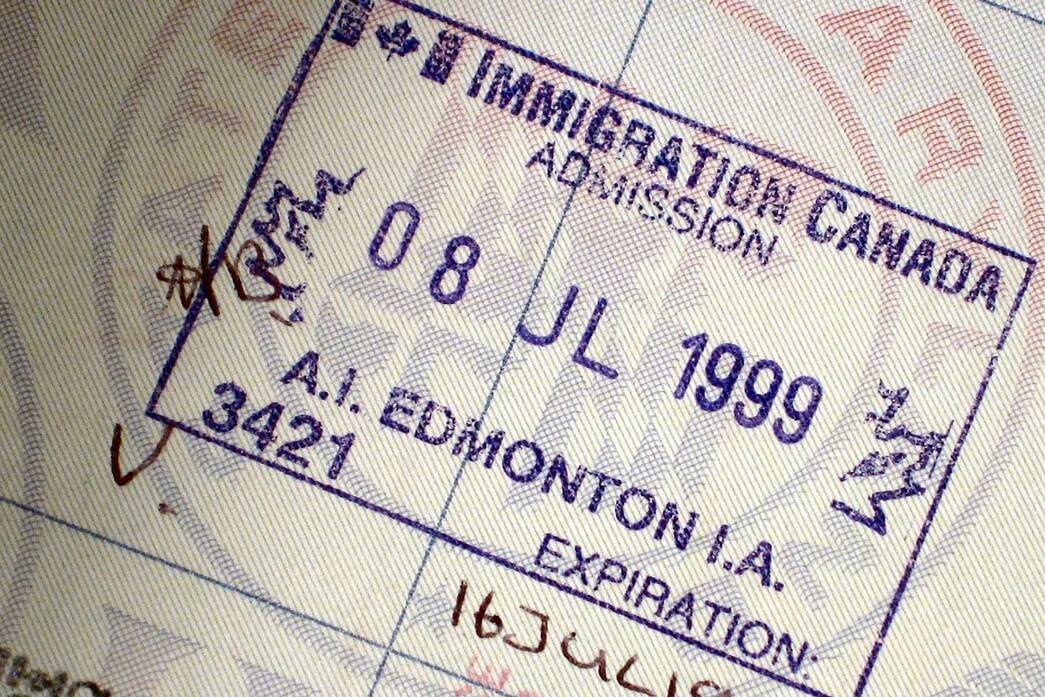
The conversation around immigration in Canada is shifting
Canada has long been an immigrant nation, starting more than four centuries ago when the first European settlers arrived on what many Indigenous Peoples call Turtle Island. Today, Canada stands out as having one of the most ethnically diverse populations on the planet.

Canada is sorry – a lot. We shouldn’t apologize for that
A lighthearted stereotype of Canadians holds that we’re prone to apologizing, and under an absurdly broad array of circumstances. When someone steps on the toes of a Canadian, the joke goes, it’s the Canadian who will say sorry.

One issue on which Canadians aren’t polarized — the U.S.
It is easy to list the political issues that divide Canadians today. Leaders and parties stand far apart on what to do about health care, climate change and firearms, to name but a few.

Canada must continue to modelling its refugee efforts on its response to the Syrian crisis
The arrival of Syrian refugees in Canada a few years ago is a well-known “feel-good” story. Images of Justin Trudeau greeting refugees at the airport and private citizens stepping up as sponsors are etched in the minds of many Canadians.

Canadians aren’t just adapting to diversity – there are data to show we’re embracing it
This past year offered Canadians plenty of reasons to question their national identity. The angry occupation of Ottawa last winter, on the edge of Parliament Hill, clashed with our stereotype of Canadians as polite compromisers.
The differences between Canada and the U.S. remain significant
Political leaders in Canada benefit from our inevitable tendency to compare ourselves to the United States. No matter how bad things are here, there is a good chance they are worse there.

Surveys show Canadian are less polarized and angry than Americans
We are living in an era of populism and polarization. Our politics is divided and angry. And if anything is changing, it is changing for the worse. Or so we are often told.
New immigration targets essential for Canada’s economic prosperity
Canada is breaking records on immigration. The federal government recently announced increased targets for the next two years, with the intention to welcome a record 500,000 new permanent residents in 2025.