

Michale Adams on Insights with Don Mills and David Campbell Podcast
Michael was a guest on Insights with Don Mills and David Campbell. In this wide-ranging conversation, Michael Adams provides listeners with a data-based analysis of the diverging differences in values between Canadians and Americans through the pioneering work done by Environics iInstitute in social values research.
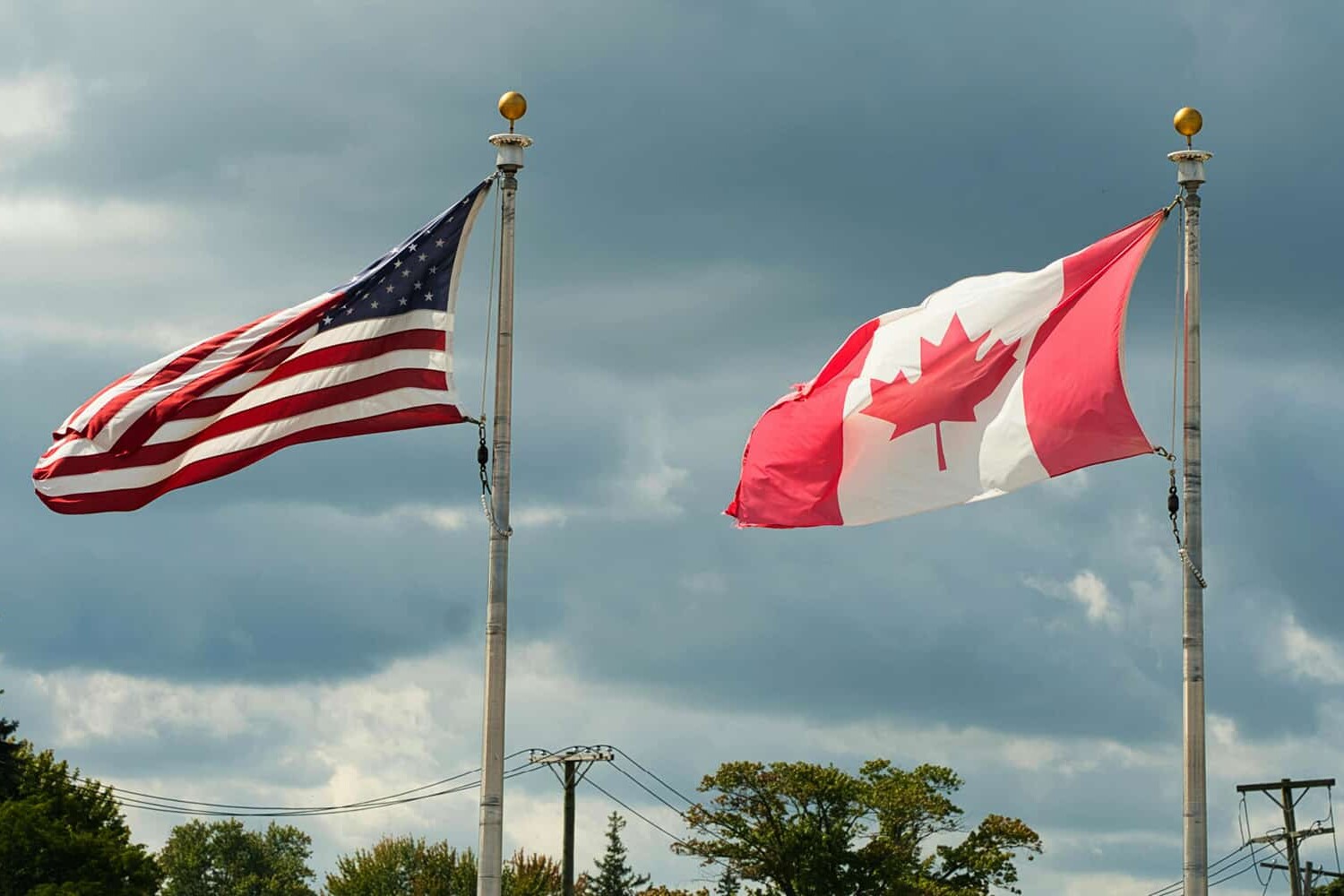
We’re witnessing the continuing cultural divergence of Canada and the United States
Almost a year ago, Canadians tuned in to watch one of the scariest reality TV shows ever produced: early 21st century American politics. On Jan. 6, thousands of radicalized, ill-informed Americans stormed the Capitol building to disrupt the certification of the results of the presidential election.
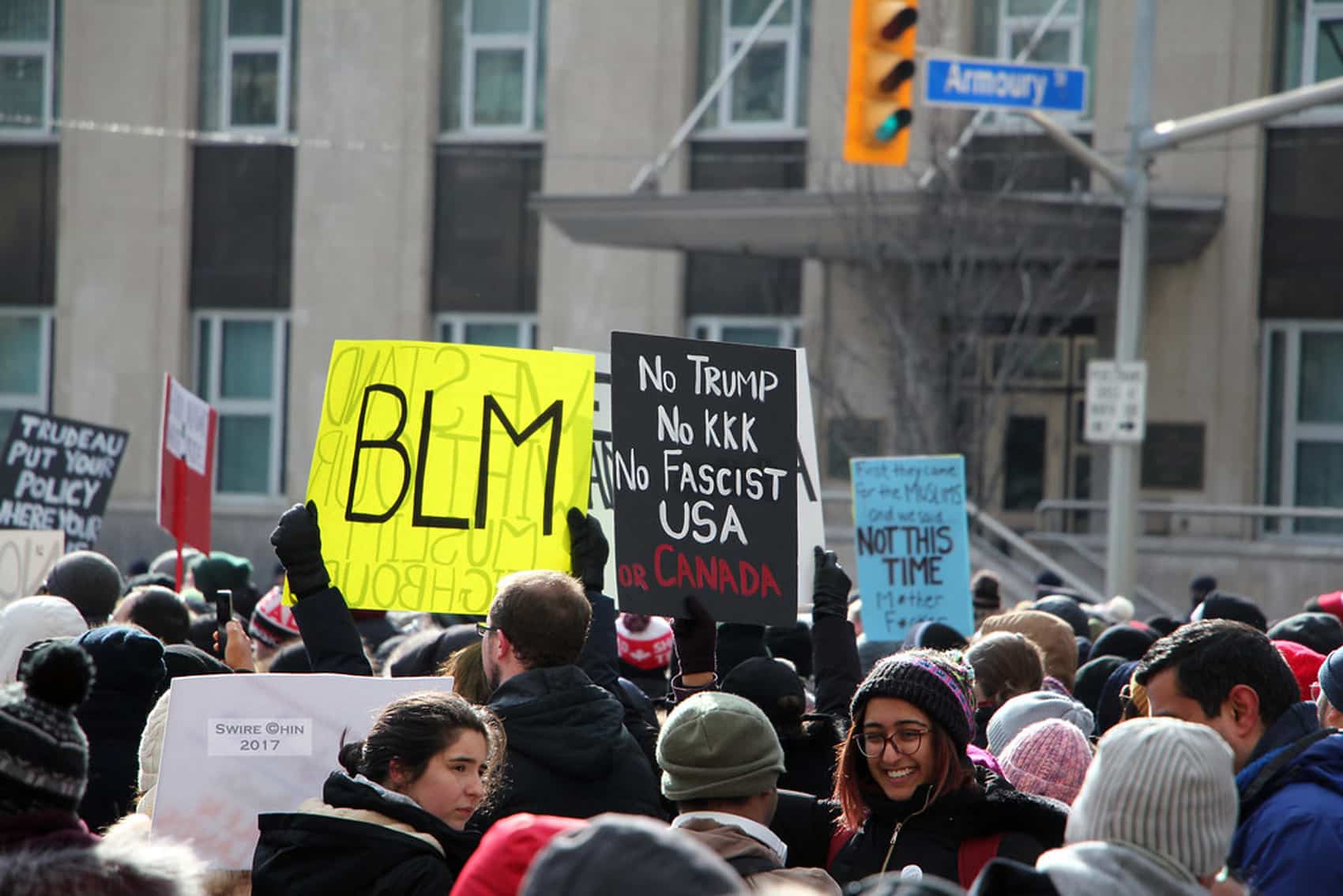
Canadians are waking up to the reality of racism. Now is the time for leaders to act.
The past two years have witnessed a transformation in the national conversation about race in this country. Within this relatively short span of time, the tragic murder of George Floyd in Minneapolis has crystalized the issue of anti-Black racism and the excessive use of force by polic
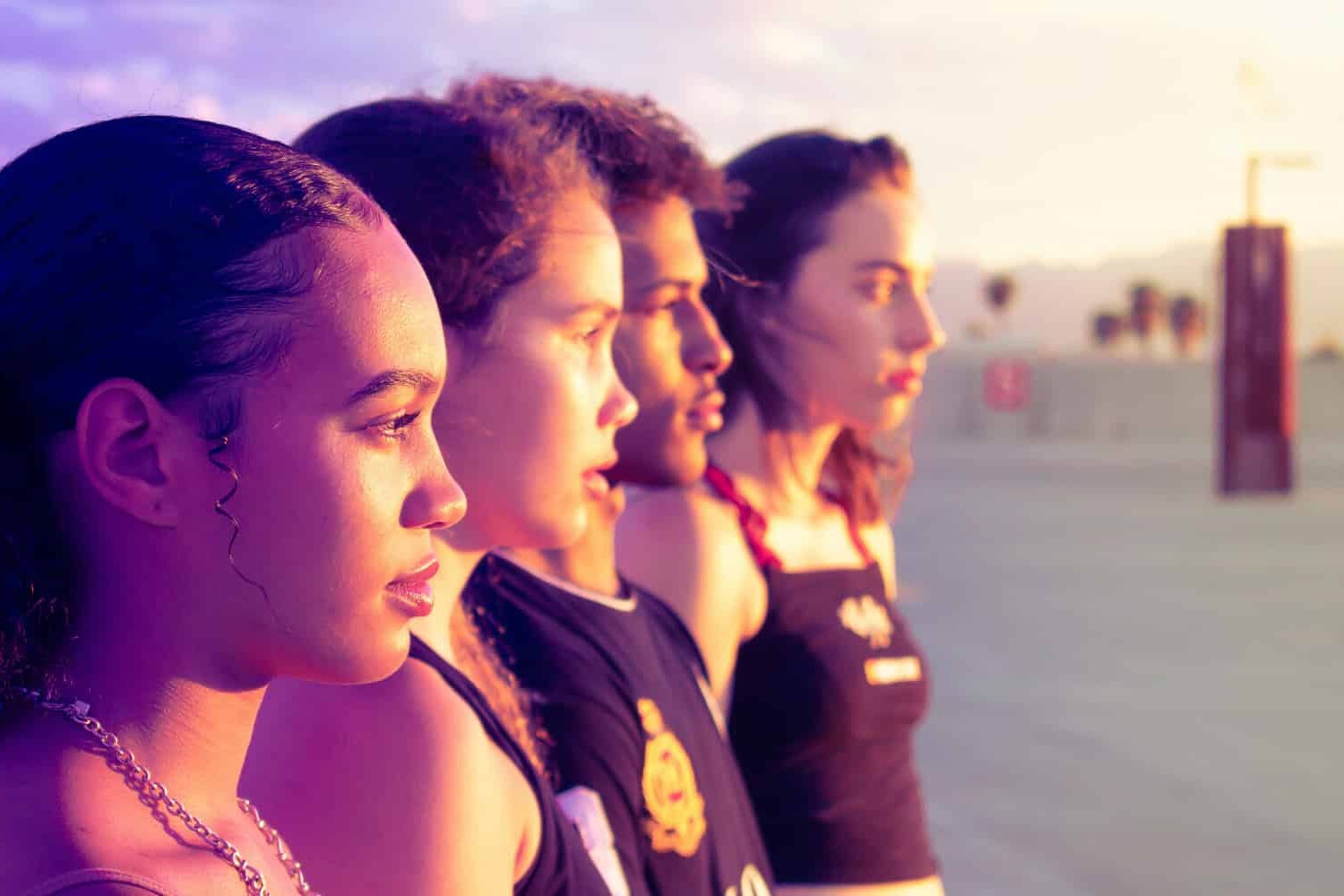
50 years of multiculturalism
On Oct 8, 1971, then-Prime Minister Trudeau announced multiculturalism as an official government policy. On the 50th anniversary of the announcement, Canadian Geographic is publishing five essays that explore the theme. T

Having an election that changes nothing is not such a bad outcome after all
Immediate media reaction to the federal election result is divided. Those who count the seats won and lost see the status quo. Those concerned with the tone and tenor of our politics fear the election has left the country more divided than ever.
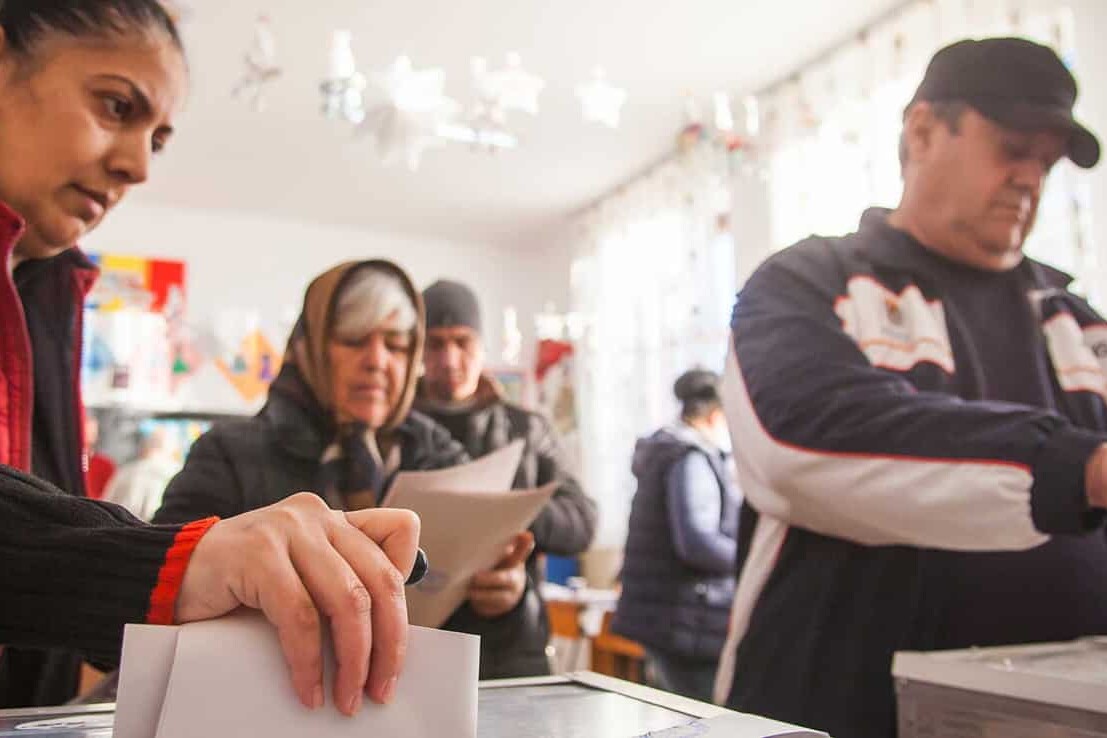
Don’t let angry protestors fool you — Canadians still trust in our democracy
Certain truths seem self-evident: We are all created equal. The sun rises in the east and sets in the west. Our democracy is imploding under the strain of declining trust and increasing polarization.
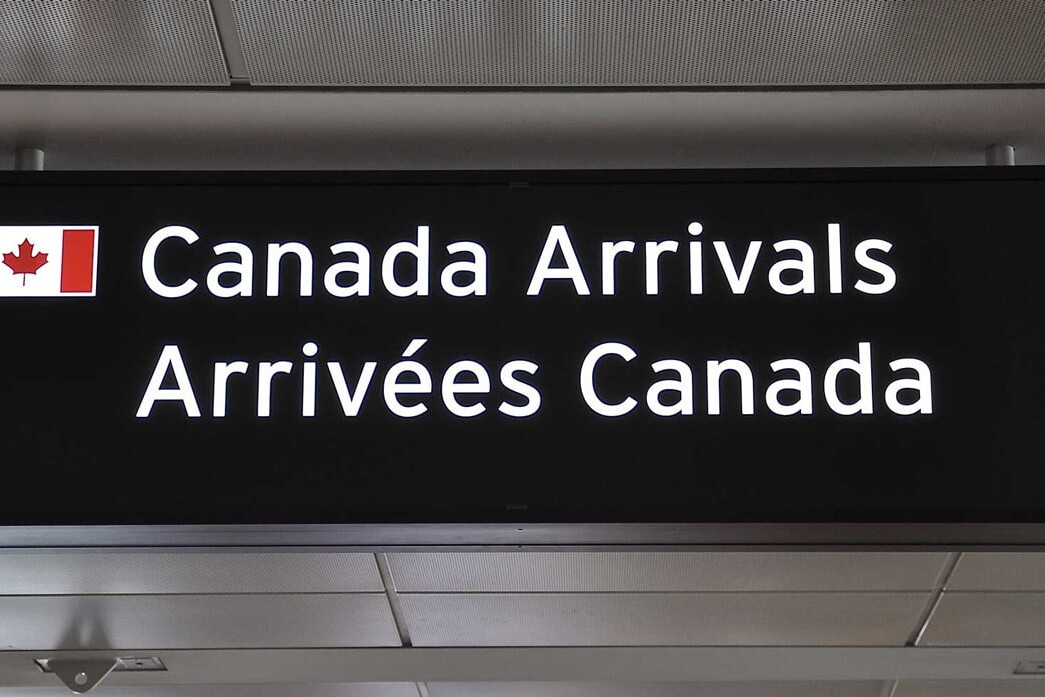
Private sponsorship is much more than a feel-good project
As we mark World Refugee Day this June 20th, the latest United Nations High Commissioner for Refugees estimates there are 82 million people worldwide who have been forced to flee their homes, including more than 30 million children.
Changing social norms is the key to addressing racism
When the COVID-19 pandemic began to spread in North America last March, it was hard to imagine anything else capturing a large share of public attention in the ensuing months.

COVID-19 changed everything, except Canada’s values of inclusiveness
While populists around the world have used the pandemic’s many upheavals to sow fears against newcomers, Canada might never have been more sure of its broadly welcoming spirit than now.
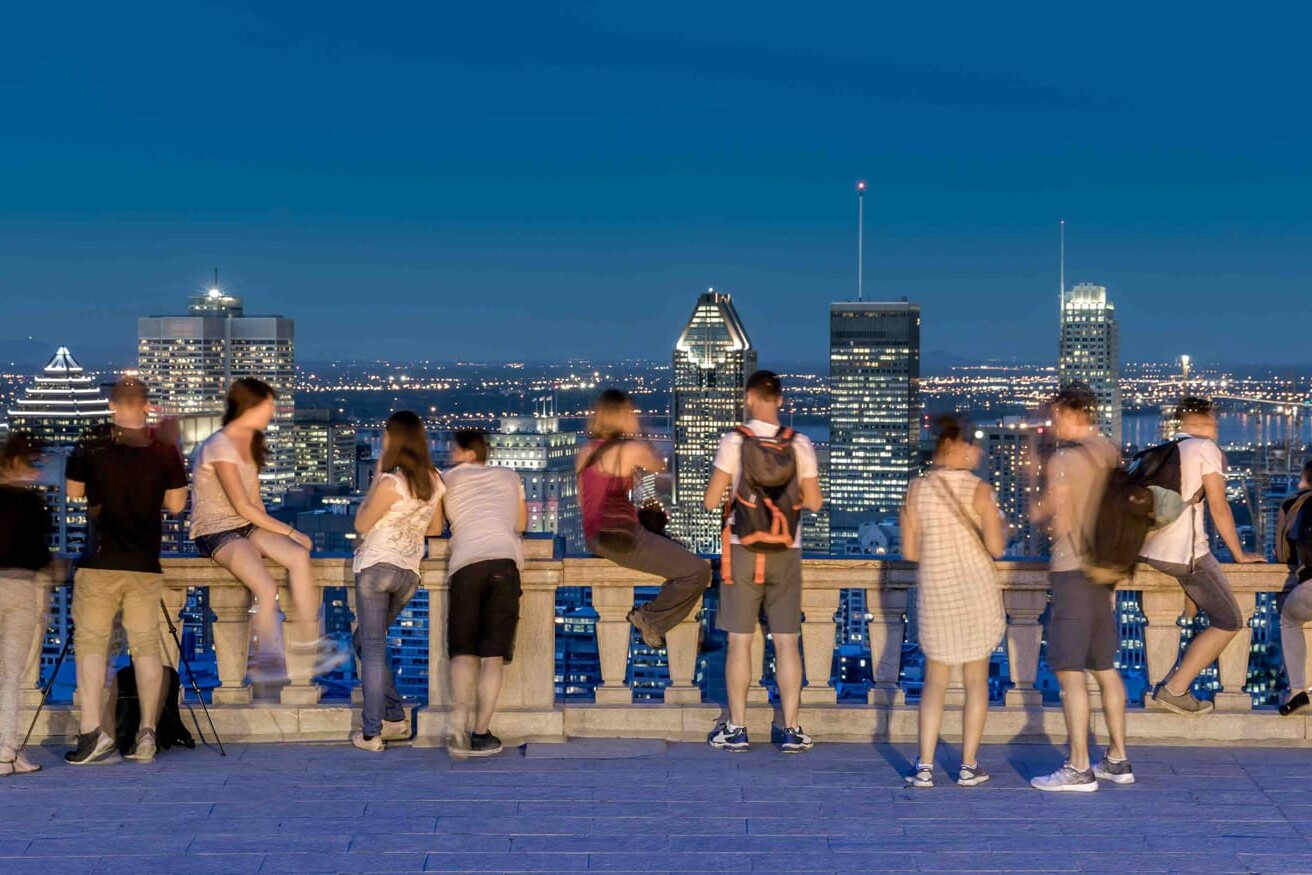
Thanks to Quebec millennials, another referendum isn’t looming
Some observers say Canada has never been more divided than it is today. They’re wrong. Oct. 30 marks the 25th anniversary of Quebec’s second referendum on sovereignty.