


Canadians don’t need to worry about identity politics
Should Canadians be worried about identity politics? Some commentators lament the current obsession with identity, which they say focuses on what makes us different from one another rather than on what we have in common; that identity politics only serve to divide society into resentful silos. | By Michael Adams & Andrew Parkin
Attachment and identity in the Canadian federation
The annual Confederation of Tomorrow surveys explore the relationships between different types of identity. It asks about attachment to and identification with Canada and one’s province or territory; it also asks Indigenous Peoples about their attachment to their Indigenous nation or community.

Support for sovereignty in Quebec: the role of identity, culture and language
A surprising resurgence of popularity for the Parti Québécois is not driven by growing support for sovereignty. But many Quebecers nonetheless identify themselves as mainly sovereigntist. What underpins this preference? Beyond an obvious preference for sovereignty, which of their views distinguish them from other Quebecers? | By Charles Breton & Andrew Parkin
Federal-provincial relations: public perceptions
The study finds that views on whether federal and provincial governments are working well together have not changed that much over the past two decades. However, compared to the early 2000s, Canadians are less likely to blame both governments equally when conflict arises, and more likely to take sides by blaming either the federal government or their provincial government.
Addressing climate change in the Canadian federation
Canadians are evenly divided on the relative priority that should be given to protecting the environment versus protecting jobs. The emphasis placed on environmental protection has declined since 2023 across the population.
Trusting federal and provincial government decision-making on key issues
Canadians are losing trust in the ability of both the federal government and their provincial governments to deal with key issues such as health care, climate change, immigration or the economy.

Spotlight on Atlantic Canada
The outlook in Atlantic Canada has changed significantly over the past two years. In 2021, almost a year into the COVID-19 pandemic, people in the region stood out from other Canadians as being much more satisfied with the direction of the country in general, and with the way both the federal government and their provincial governments had managed the crisis so far.

Yukon @ 125!
The Yukon came into existence as a separate territory on June 13, 1898. To mark the occasion, the Confederation of Tomorrow survey looks at how Yukoners’ opinions differ from those of other Canadians.
Religion, Rights and the Role of the Courts
Last year marked the 40th anniversary of the Canadian Charter of Rights and Freedoms. While the Charter as a whole remains popular, the occasional use by governments of its provision allowing them to override certain Charter rights (Section 33) continues to spark controversy.
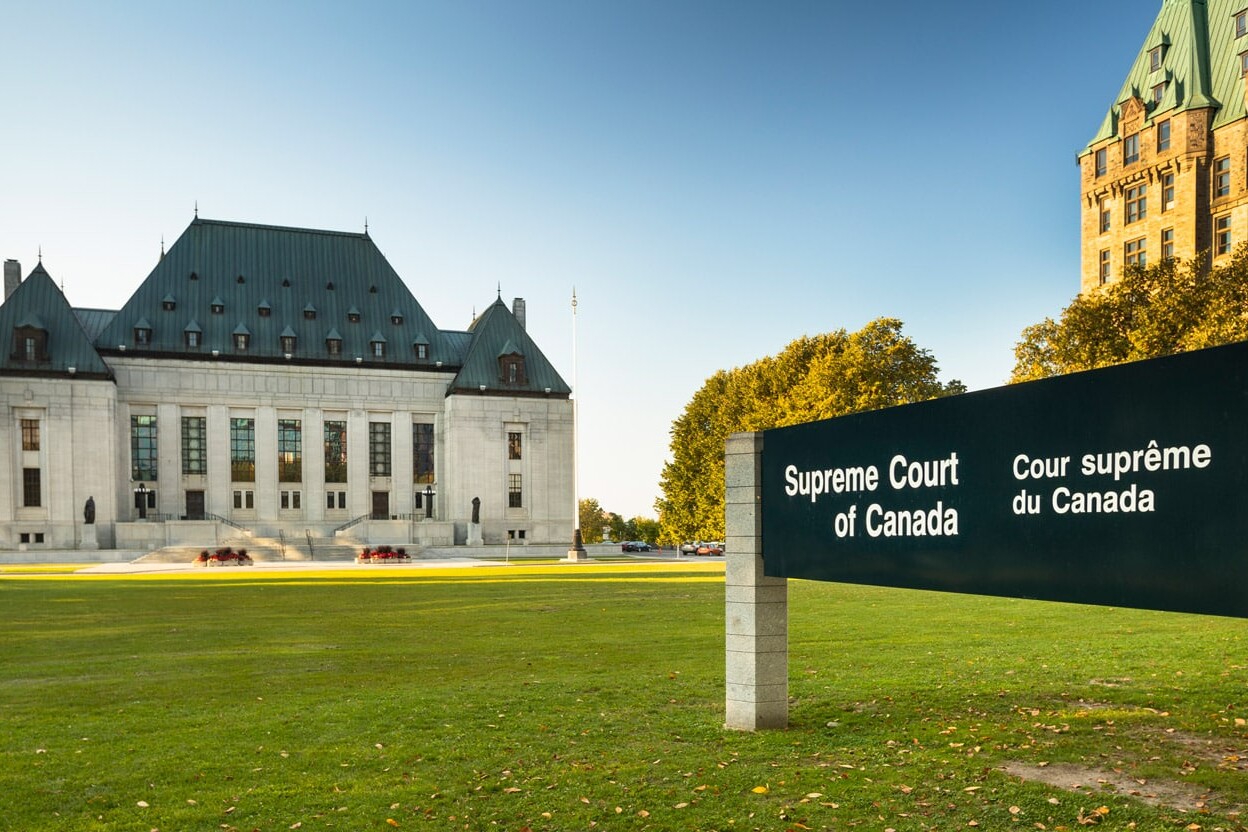
‘Notwithstanding’ support for the Charter of Rights, there’s work to do
While Canada’s history has been marked by divisive constitutional disputes, one part of the Constitution brings us together: the Charter of Rights and Freedoms. The Charter is seen by more people as being very important to their identity as Canadians than any other institution or symbol. It is held in high esteem in every region of the country, including Quebec.