


Confidence in Leaders
In 2021, almost a year into the COVID-19 pandemic, the Confederation of Tomorrow Survey of Canadians addressed the issue of public confidence in scientists, government medical advice and political leaders.
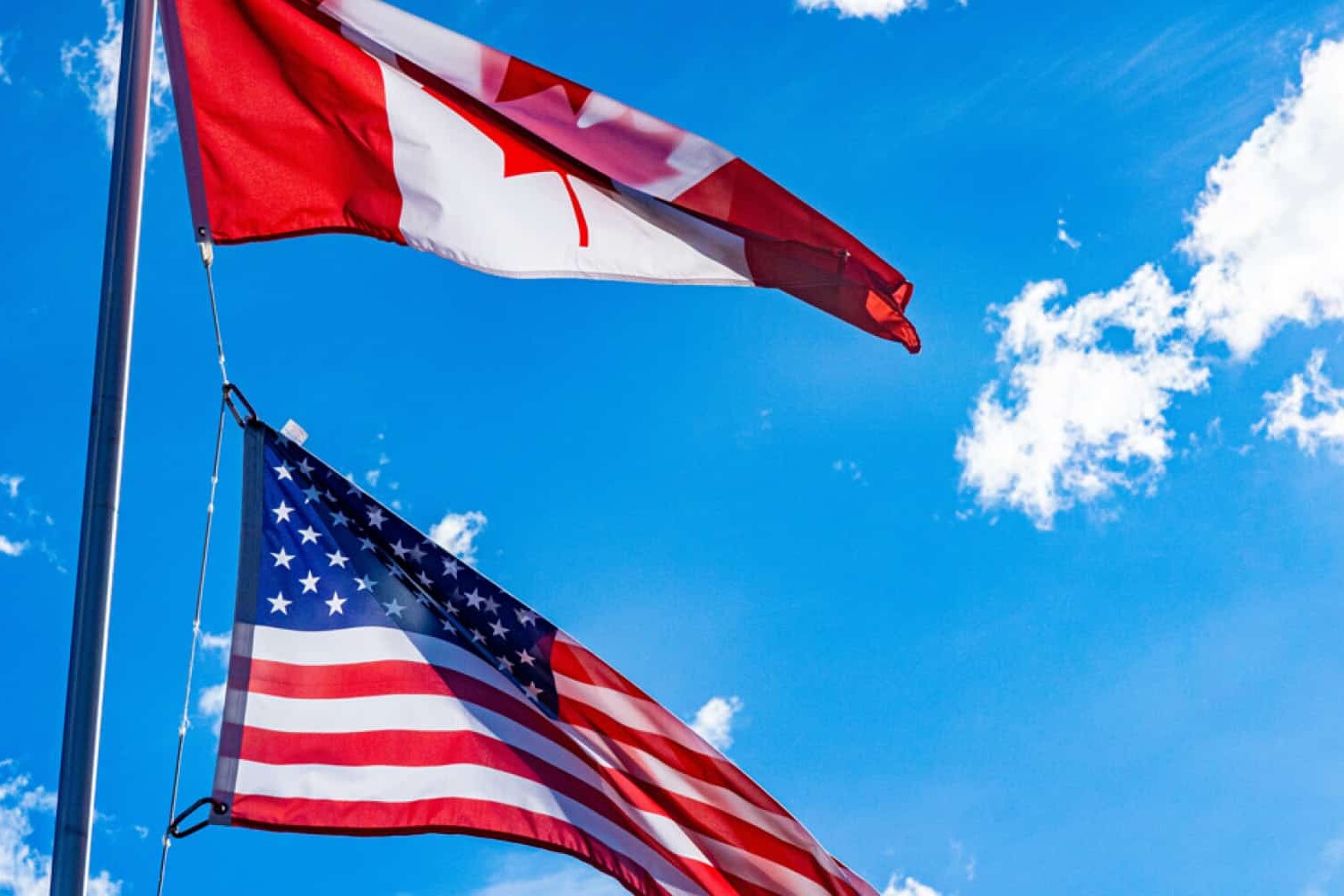
The differences between Canada and the U.S. remain significant
Political leaders in Canada benefit from our inevitable tendency to compare ourselves to the United States. No matter how bad things are here, there is a good chance they are worse there.

Satisfaction, Outlook and Opportunities
The survey finds that younger Canadians have grown more dissatisfied with the way things are going in the country, and more pessimistic about prospects for the next generation.
Public Opinion in Canada and the United States
The diminishing concern about the impact of free trade on Canada’s cultural identity coincides with some sharp differences of opinion between Canadians and Americans on prominent social issues.

Forget Ottawa — Albertans growing alienated from their own leaders, too
There is no shortage of new irritants in the relationship between Ottawa and the three Prairie provincial governments. In recent years they have faced off over the carbon tax, pipeline construction, energy exports, federal spending and vaccine mandates. Western alienation may have deep historical roots, but current events never fail to rejuvenate the sentiment.
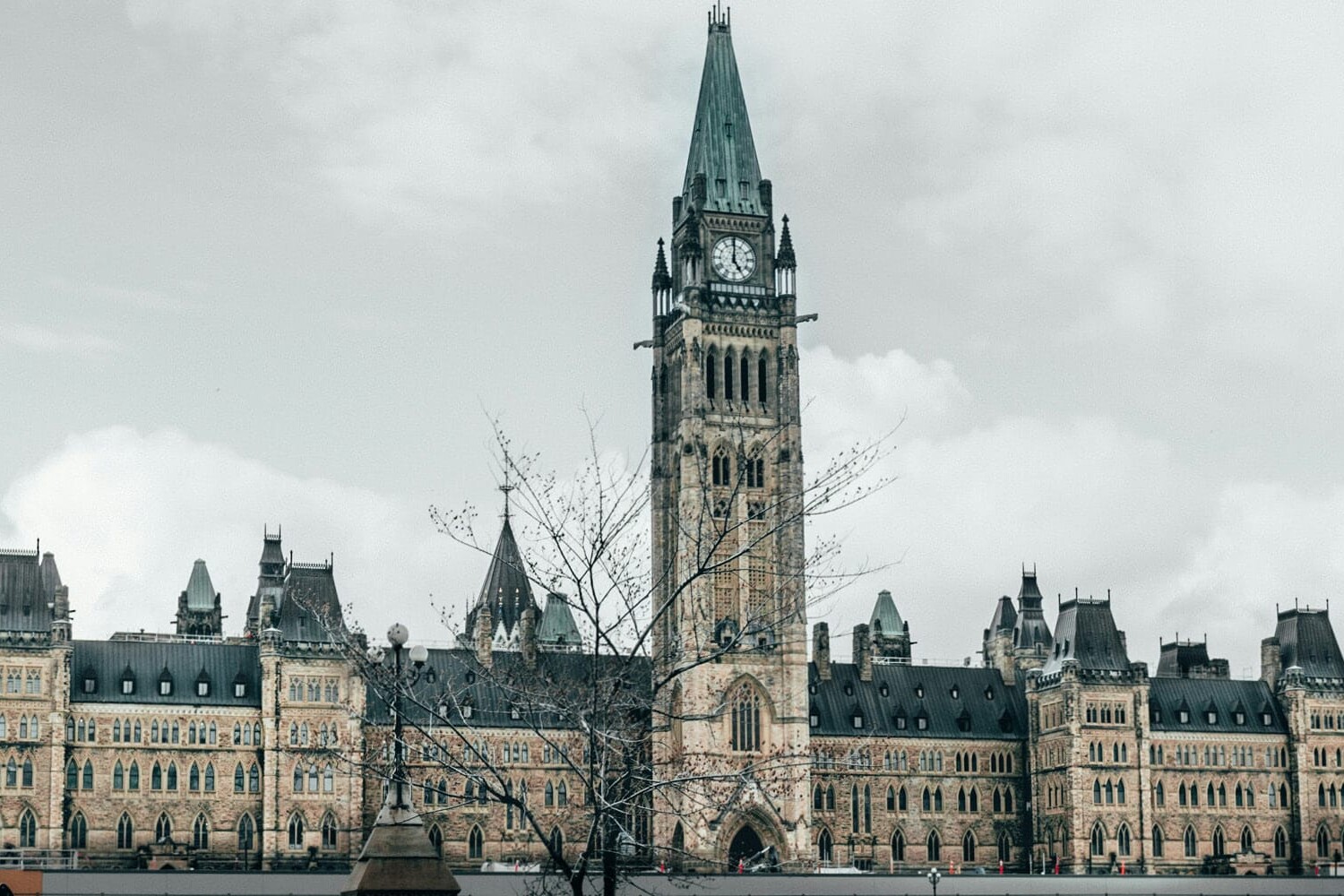
Are Canadians finally at peace with their Constitution?
After the optimism of the country’s centenary in 1967, one set of scholars published a group of essays entitled Must Canada Fail? In a similar fashion, the adoption of a new, made-in-Canada Constitution in 1982 was met with another classic academic volume: And No One Cheered.

Québécois et Canadiens ont-ils fait la paix avec la Constitution?
Plus de 25 ans après le référendum de 1995 sur la souveraineté et à la veille du 40e anniversaire du rapatriement de la Constitution, il peut être facile d’oublier que, du début des années 1960 à la fin des années 1990, débattre des lois fondamentales au Canada était presque devenu un sport national.
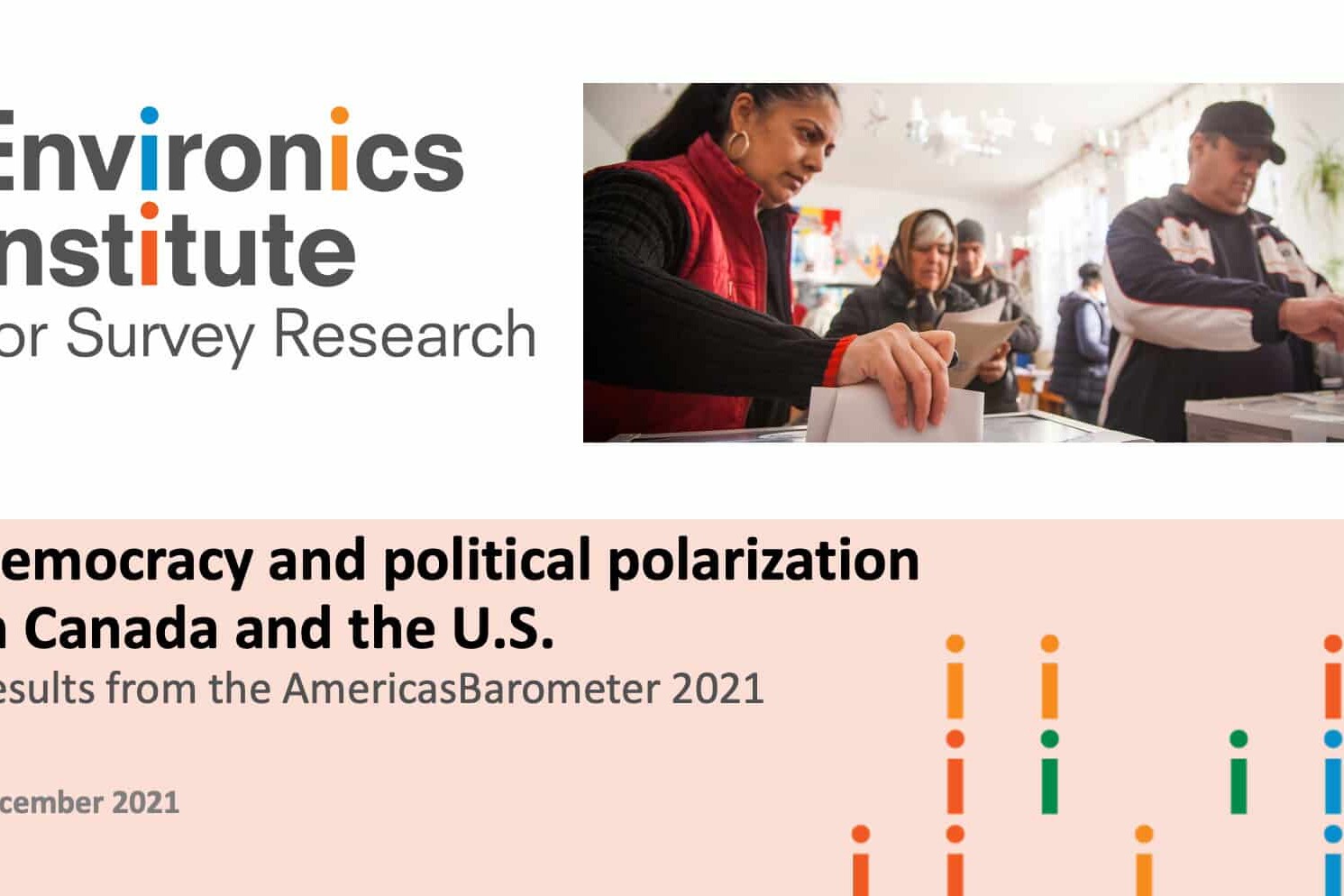
Democracy and Political Polarization in Canada and the U.S.
This presentation compares the results in Canada and the United Sates. It shows that American politics remains highly polarized in several senses; for instance, there are significant gaps in trust in the political system between those who identify as liberals and those who identify as conservatives.

Having an election that changes nothing is not such a bad outcome after all
Immediate media reaction to the federal election result is divided. Those who count the seats won and lost see the status quo. Those concerned with the tone and tenor of our politics fear the election has left the country more divided than ever.
Canadians are still committed to decentralized federalism
There is never any shortage of reasons to track the ups and downs of regional grievances in Canada: Every year brings new developments that fuel perceptions of regional winners and losers.