

Support for bilingualism and learning a second language
The 2024 Confederation of Tomorrow survey revisits the topic of official bilingualism and the importance of children learning to speak a second language. It finds that support for bilingualism as a policy, and interest in children learning a second language, both remain fairly high.

Free trade wasn’t just Mulroney’s key achievement – it is one of the most dramatic public opinion turnarounds in Canada’s history
Since Brian Mulroney’s death last month, pundits and the public alike have reflected on his political acumen and accomplishments. The negotiation of the free-trade deal with the United States tops everyone’s list of his achievements as prime minister. | By Michael Adams & Andrew Parkin
The Perspectives of Second-generation Immigrants in Canada
Outcomes for second-generation immigrants are typically measured in terms of educational attainment, employment rates and income. These indicators are important, but they tell us little about the experience that second-generation have balancing the values and expectations of their immigrant parents with those of Canadian society more generally.

Canada is sorry – a lot. We shouldn’t apologize for that
A lighthearted stereotype of Canadians holds that we’re prone to apologizing, and under an absurdly broad array of circumstances. When someone steps on the toes of a Canadian, the joke goes, it’s the Canadian who will say sorry.

Yukon @ 125!
The Yukon came into existence as a separate territory on June 13, 1898. To mark the occasion, the Confederation of Tomorrow survey looks at how Yukoners’ opinions differ from those of other Canadians.

Religion, Rights and the Role of the Courts
Last year marked the 40th anniversary of the Canadian Charter of Rights and Freedoms. While the Charter as a whole remains popular, the occasional use by governments of its provision allowing them to override certain Charter rights (Section 33) continues to spark controversy.
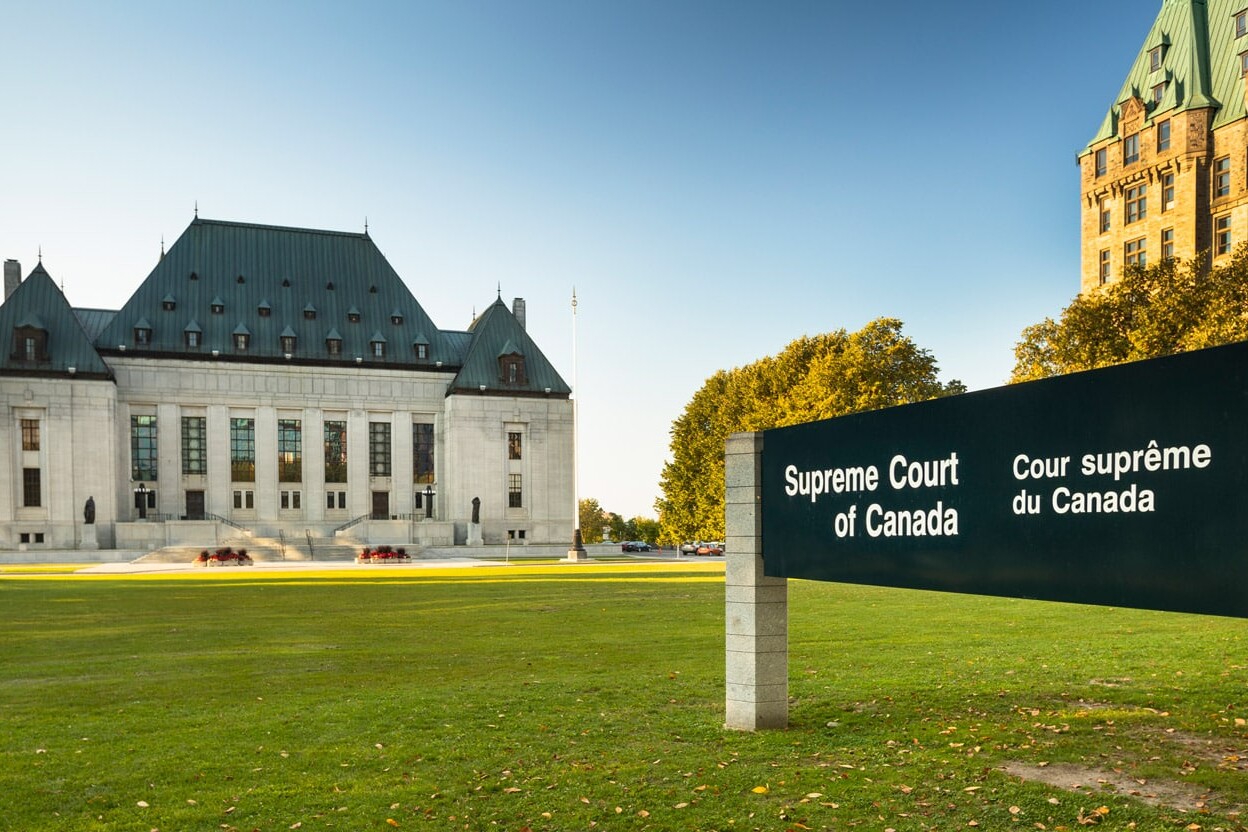
‘Notwithstanding’ support for the Charter of Rights, there’s work to do
While Canada’s history has been marked by divisive constitutional disputes, one part of the Constitution brings us together: the Charter of Rights and Freedoms. The Charter is seen by more people as being very important to their identity as Canadians than any other institution or symbol. It is held in high esteem in every region of the country, including Quebec.
Support for equalization: 2023 update
Key findings are: Overall support for the equalization program in Canada remains steady; Support has increased in Alberta since 2019; Support remains steady in non-recipient provinces, but has fallen by 8 points since 2019 in recipient provinces. A 29-point gap between levels of support in Quebec and Alberta has narrowed to a 6-point gap.

One issue on which Canadians aren’t polarized — the U.S.
It is easy to list the political issues that divide Canadians today. Leaders and parties stand far apart on what to do about health care, climate change and firearms, to name but a few.

The good and bad news from a public opinion researcher
Those of us who do public opinion research feel like we have the best seat in the house. The data we collect over the course of a year provide insights on how people are doing and what they are worried about.