


Building Faster?
Most Canadians support the federal government’s intention to act quickly to expand the country’s infrastructure, but not in the absence of agreements with its provincial or Indigenous partners.
May 11, 2026
May 11, 2026Reportconfederation of tomorrow,indigenous peoples,federalism,politics
Looking for something specific?
2023 NIA Ageing in Canada Survey
In less than 10 years, one-quarter of Canada’s population will be aged 65 years and older. Fully understanding the circumstances and evolving needs of this ageing population requires collecting regular and reliable data from older Canadians themselves.
January 31, 2024
January 31, 2024economy,health,lived experience,ageing in canada surveysReport
2022 NIA Ageing in Canada Survey
The National Institute on Ageing (NIA) and the Environics Institute for Survey Research partnered on an annual survey of ageing in Canada to track Canadians' experiences of growing older and their expectations for the future.
December 20, 2022
December 20, 2022government role,ageing,health,lived experience,ageing in canada surveysReport
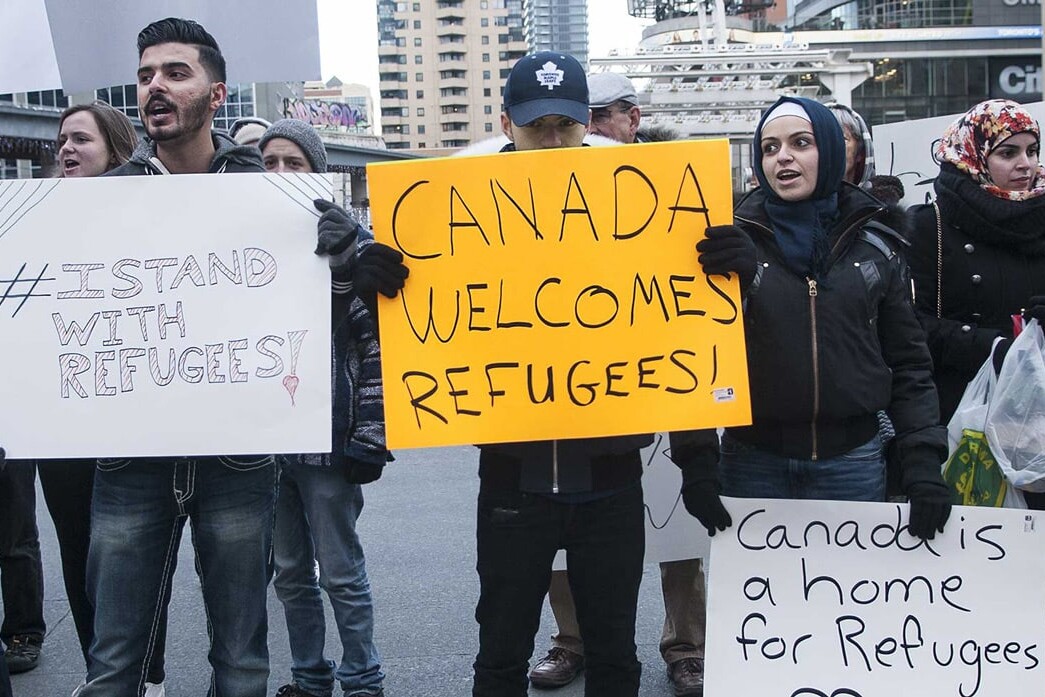
Syrian Refugee Lived Experience Project
In 2015, through an unprecedented national mobilization of government, the settlement sector and Canadian citizens, the country opened its doors to accept refugees fleeing the humanitarian crisis in Syria, resettling close to 40,000 refugees within the space of a year. How have these refugees fared in their new country and lives, and what can be learned from their experience that might benefit future refugees?
December 17, 2022
December 17, 2022immigration,multiculturalism,canadian identity,values,syria,lived experience,syrian refugee lived experience projectReport
Social norms and racism in Canada
A new national research project documents for the first time the social norms that govern how Canadians think about and act on different types of racial micro-aggressive actions directed at people who are Indigenous or Black.
June 22, 2022
June 22, 2022racism,public opinion research,social change,government role,lived experience,discriminationReport
Race Relations in Canada 2019
This study confirms the reality of racism in Canada. Also important, it shows that this reality is widely if not universally acknowledged. Many Canadians across different racial backgrounds report experiences of racism and discrimination due to race, and also recognize that it also affects others of their own race and from other racial groups.
December 10, 2019
December 10, 2019race relations,racism,race relations in canada survey,social change,lived experience,discriminationReport

2018 Survey of Jews in Canada
A major survey was conducted in 2018 by the Environics Institute for Survey Research, in partnership with the University of Toronto and York University. The survey is the first of its kind in Canada to explore the perspectives of Jews in Canada, addressing themes of identity, practice and experience.
March 11, 2019
March 11, 2019racism,religion,lived experience,discrimination,identityReport
Black Experience Project in the GTA
A groundbreaking research study of the "lived experience" of individuals across the Greater Toronto Area who self-identify as Black or of African heritage.
July 31, 2017
July 31, 2017racism,black experience project,civic engagement,lived experience,discriminationReport
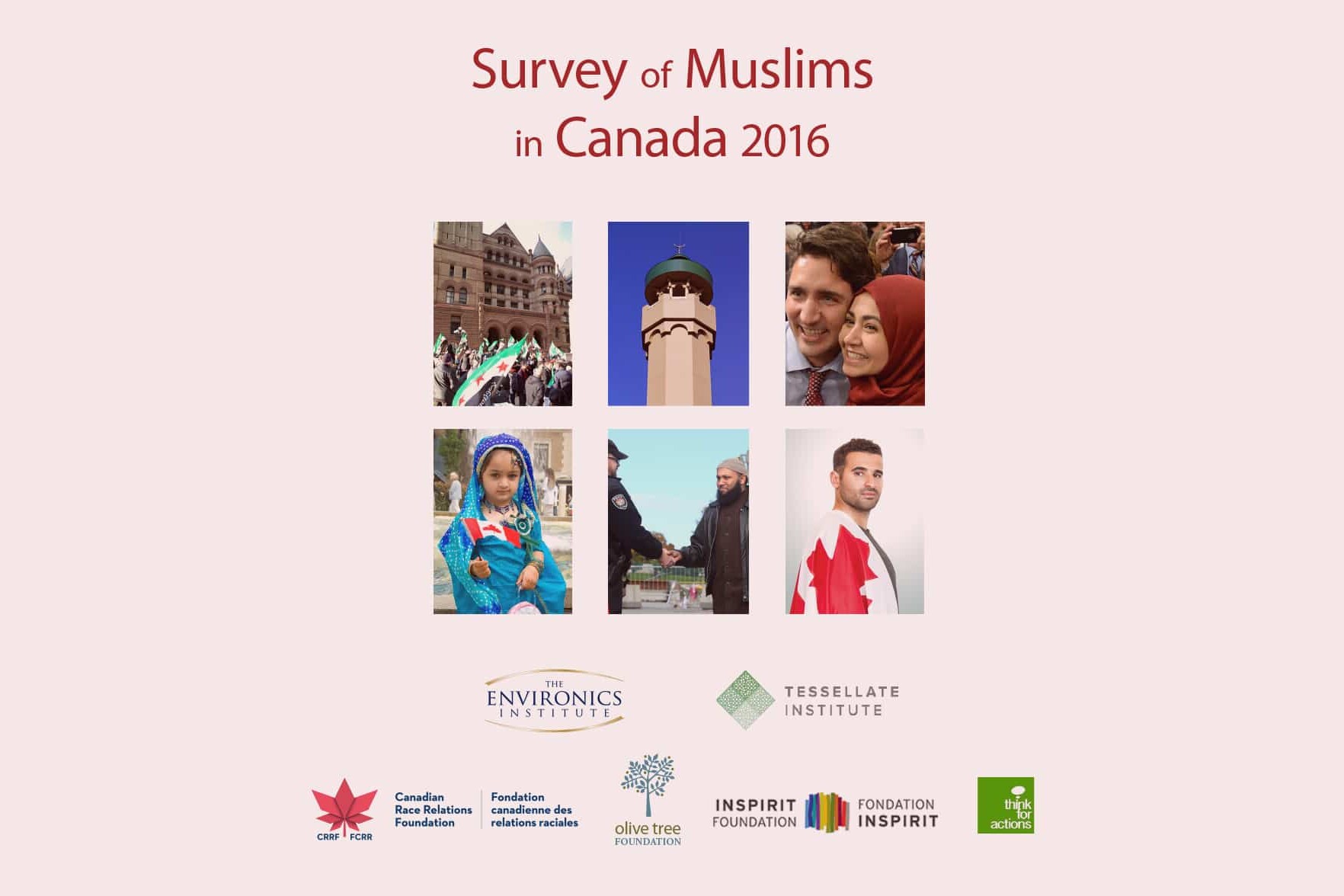
Survey of Muslims in Canada 2016
Muslims represent the fastest growing religious minority in Canada today, but their emerging presence has been contentious, fuelled in part by security concerns (in the long wake of 9/11) and some religious practices (e.g., Sharia law).
April 30, 2015
April 30, 2015immigration,multiculturalism,racism,religion,lived experience,discrimination,identity,muslimsReport
Urban Aboriginal Peoples Study
The Environics Institute conducted the Urban Aboriginal Peoples Study (UAPS) as a landmark national study focusing on Aboriginal Peoples living in Canada’s major urban centres.
April 30, 2010

Canada’s World Survey
The Institute co-sponsored a national survey of Canadians’ engagement and involvement with the world outside our borders, as part of the Canada’s World initiative.
January 31, 2008
January 31, 2008united states,government role,lived experienceReport
Survey of Canadian Muslims
The Institute’s first project was a national survey to examine the relationship between Canadian Muslims and Canadian society at large. This research was conducted as part of Environics Research FOCUS CANADA, and built upon an earlier study conducted by the US-based Pew Research Center with Muslims and non-Muslims that covered 13 countries (but not Canada).
February 28, 2007
February 28, 2007immigration,multiculturalism,racism,lived experience,discrimination,muslimsReport