

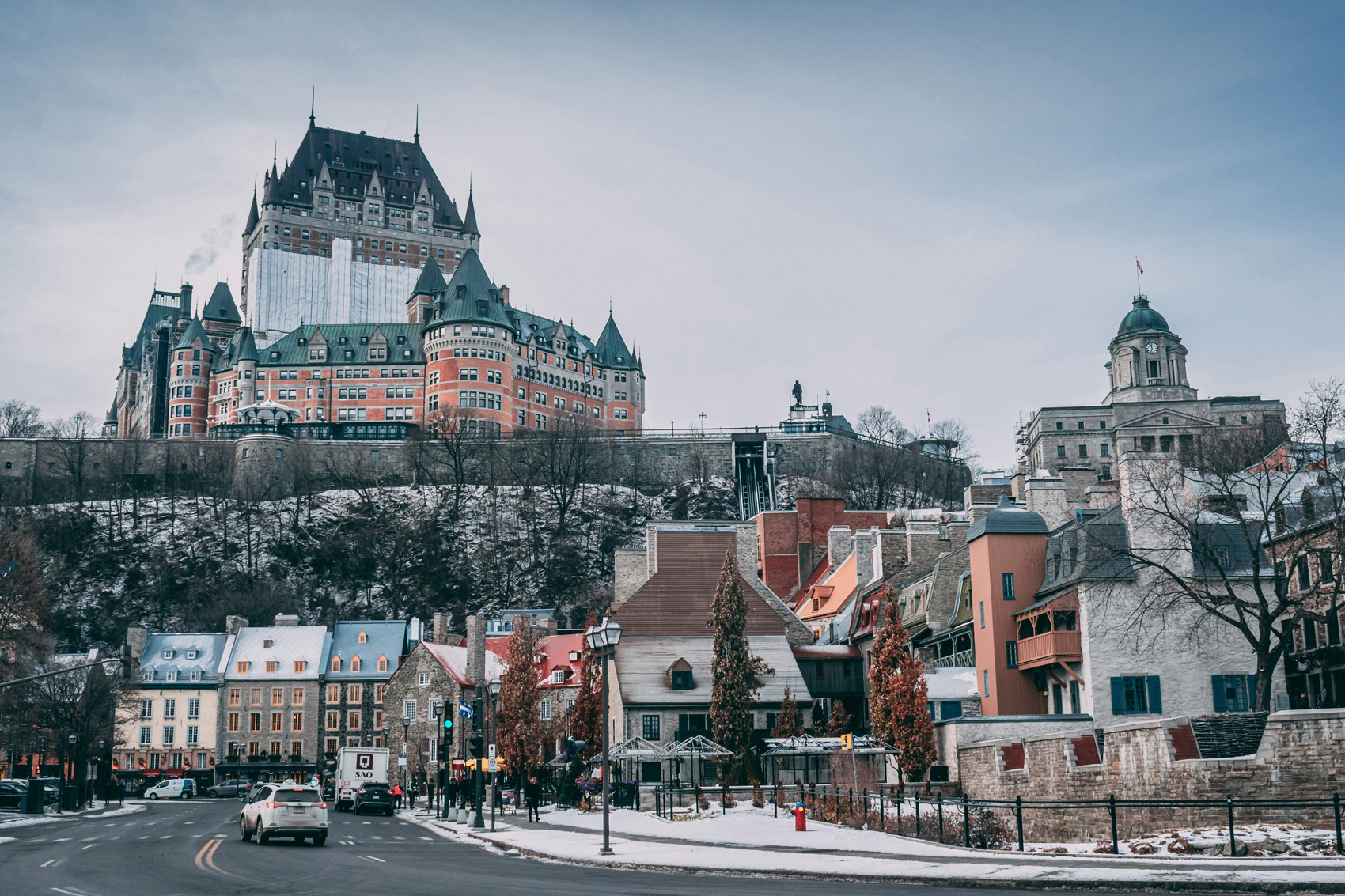
Québécois et Canadiens ont-ils fait la paix avec la Constitution?
Plus de 25 ans après le référendum de 1995 sur la souveraineté et à la veille du 40e anniversaire du rapatriement de la Constitution, il peut être facile d’oublier que, du début des années 1960 à la fin des années 1990, débattre des lois fondamentales au Canada était presque devenu un sport national.

Here’s how we can stop sick people from going into work
Our survey finds that, prior to the pandemic, one in two Canadians who woke up on a workday feeling a little sick would have gone into work anyway. And a lack of paid sick days is not the main reason why.

Young adults have been hit hard by the pandemic. The recovery must not leave them behind
After the optimism of the country’s centenary in 1967, one set of scholars published a group of essays entitled Must Canada Fail? In a similar fashion, the adoption of a new, made-in-Canada Constitution in 1982 was met with another classic academic volume: And No One Cheered.
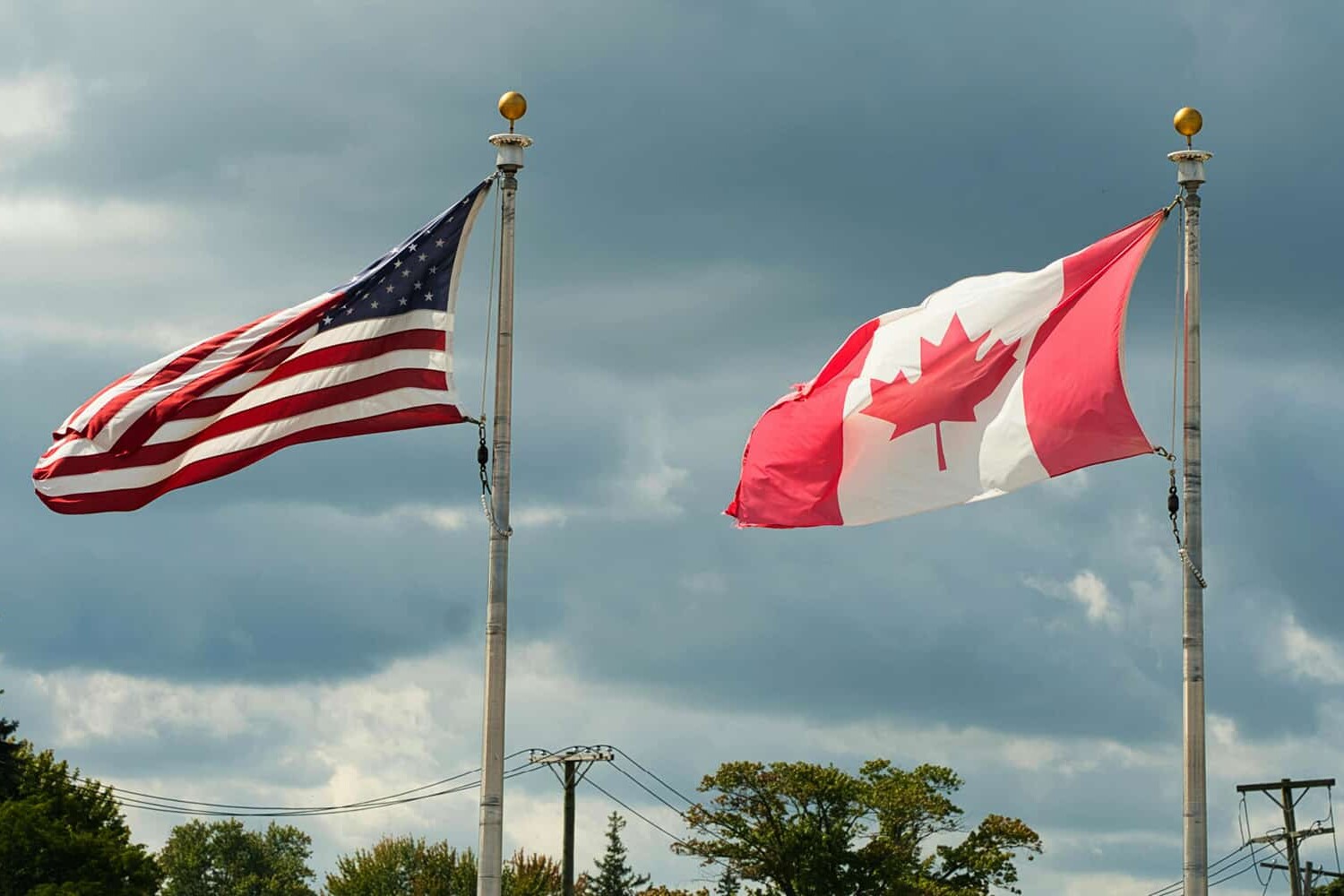
We’re witnessing the continuing cultural divergence of Canada and the United States
Almost a year ago, Canadians tuned in to watch one of the scariest reality TV shows ever produced: early 21st century American politics. On Jan. 6, thousands of radicalized, ill-informed Americans stormed the Capitol building to disrupt the certification of the results of the presidential election.

Public opinion in Canada has been shifting, but not because of the pandemic
Everything has changed. Work, school, shopping, travelling. Visiting loved ones, whether we can hug them. Each time we think this might soon be over, the COVID-19 case numbers rise again and the light at the end of the tunnel slightly dims.

What if we keep working from home?
Millions of Canadians are now well into their second year of working from home. As the COVID-19 pandemic hit, non-essential employees began working from their couches, kitchens and bedrooms, hopping virtually from one endless video meeting to another.
Who voted for the People’s Party of Canada?
At first glance, the 2021 federal election appears to have changed very little. Each party was returned to the House of Commons with about as many seats as it had previously held.
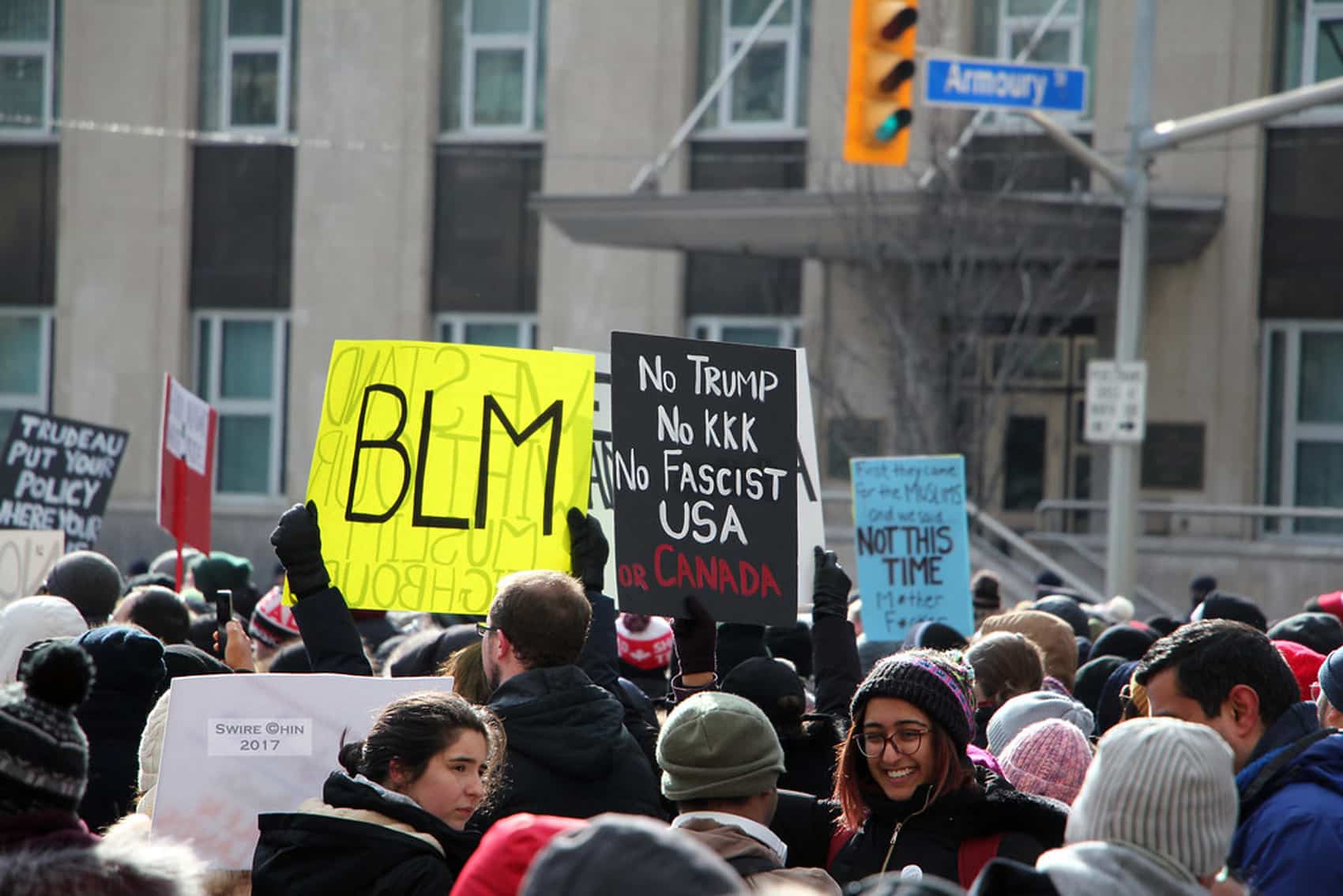
Canadians are waking up to the reality of racism. Now is the time for leaders to act.
The past two years have witnessed a transformation in the national conversation about race in this country. Within this relatively short span of time, the tragic murder of George Floyd in Minneapolis has crystalized the issue of anti-Black racism and the excessive use of force by polic
A fresh look at the reasons why women and men are self-employed
The retention of women in the labour force has emerged as one of the most pressing concerns of the post-pandemic recovery. At the height of the pandemic in June 2020, Finance Minister Chrystia Freeland stated, “I think it would be fair, as some economists say, to describe the recession we are currently experiencing as a ‘she-cession.’”

50 years of multiculturalism
On Oct 8, 1971, then-Prime Minister Trudeau announced multiculturalism as an official government policy. On the 50th anniversary of the announcement, Canadian Geographic is publishing five essays that explore the theme. T