

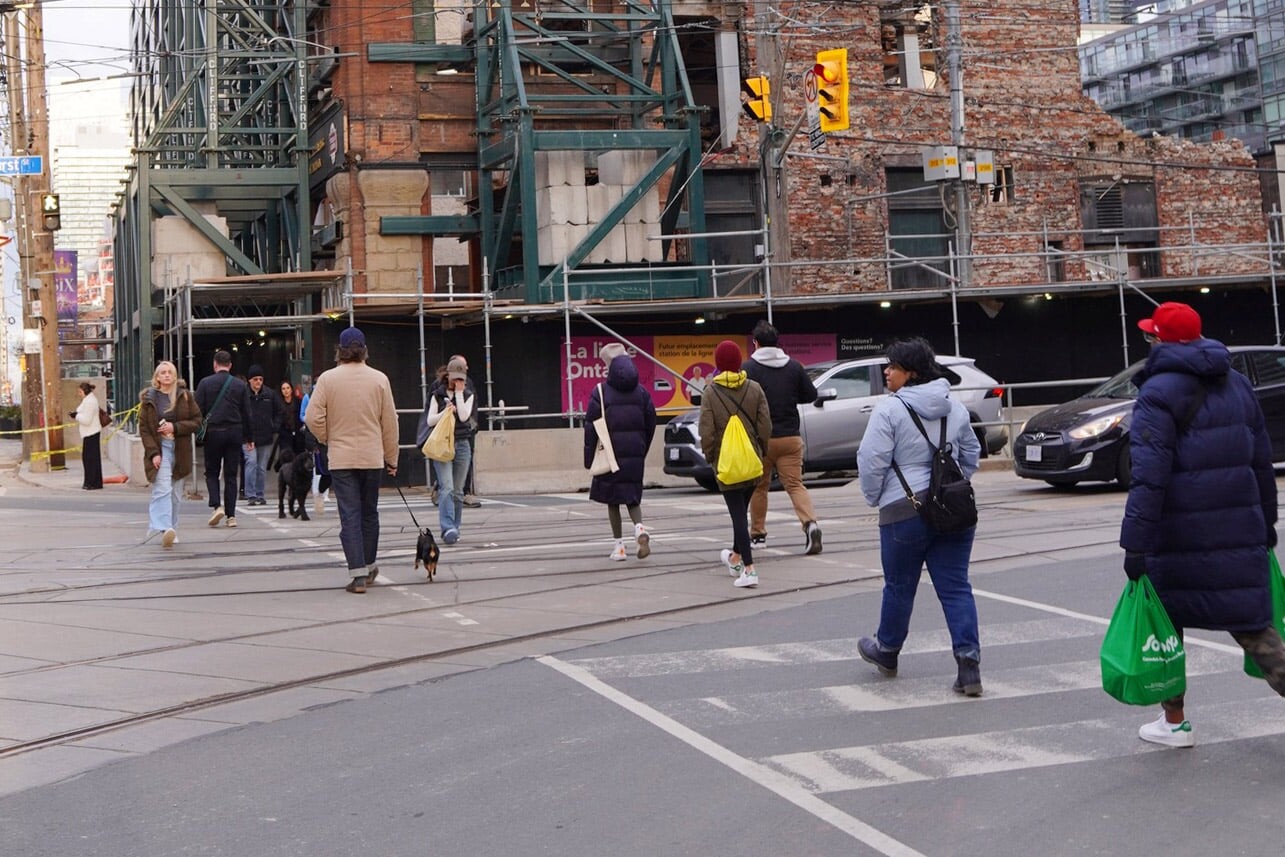
Canadians aren’t just adapting to diversity – there are data to show we’re embracing it
This past year offered Canadians plenty of reasons to question their national identity. The angry occupation of Ottawa last winter, on the edge of Parliament Hill, clashed with our stereotype of Canadians as polite compromisers.
The Evolution of the Canadian Identity
The Canadian identity is in constant evolution, in response to changing political forces and cultural influences. One of the more important potential sources of change in recent years is the growing ethno-cultural diversity of the population, driven by immigration and, in particular, by the growing number of immigrants arriving from Asian and Africa.
The differences between Canada and the U.S. remain significant
Political leaders in Canada benefit from our inevitable tendency to compare ourselves to the United States. No matter how bad things are here, there is a good chance they are worse there.
Syrian Refugee Lived Experience Project
In 2015, through an unprecedented national mobilization of government, the settlement sector and Canadian citizens, the country opened its doors to accept refugees fleeing the humanitarian crisis in Syria, resettling close to 40,000 refugees within the space of a year. How have these refugees fared in their new country and lives, and what can be learned from their experience that might benefit future refugees?
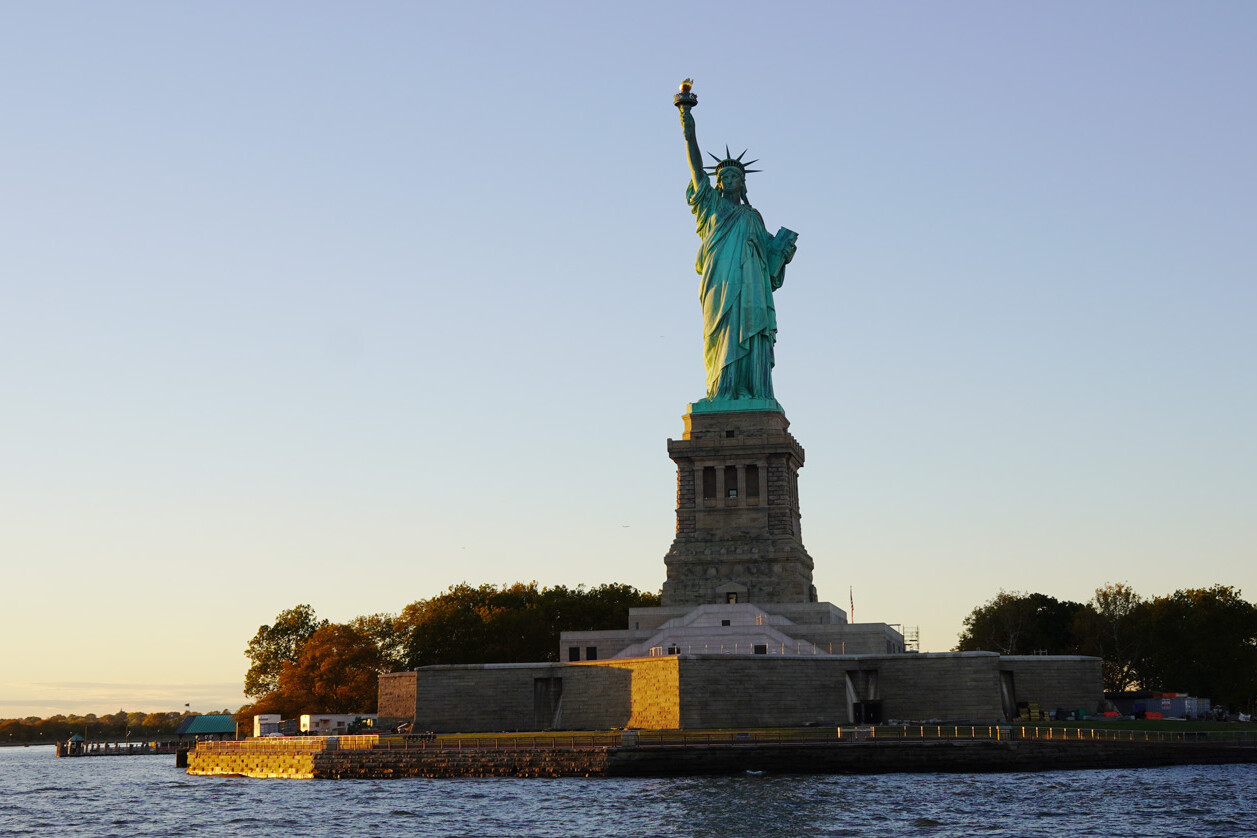
Surveys show Canadian are less polarized and angry than Americans
We are living in an era of populism and polarization. Our politics is divided and angry. And if anything is changing, it is changing for the worse. Or so we are often told.
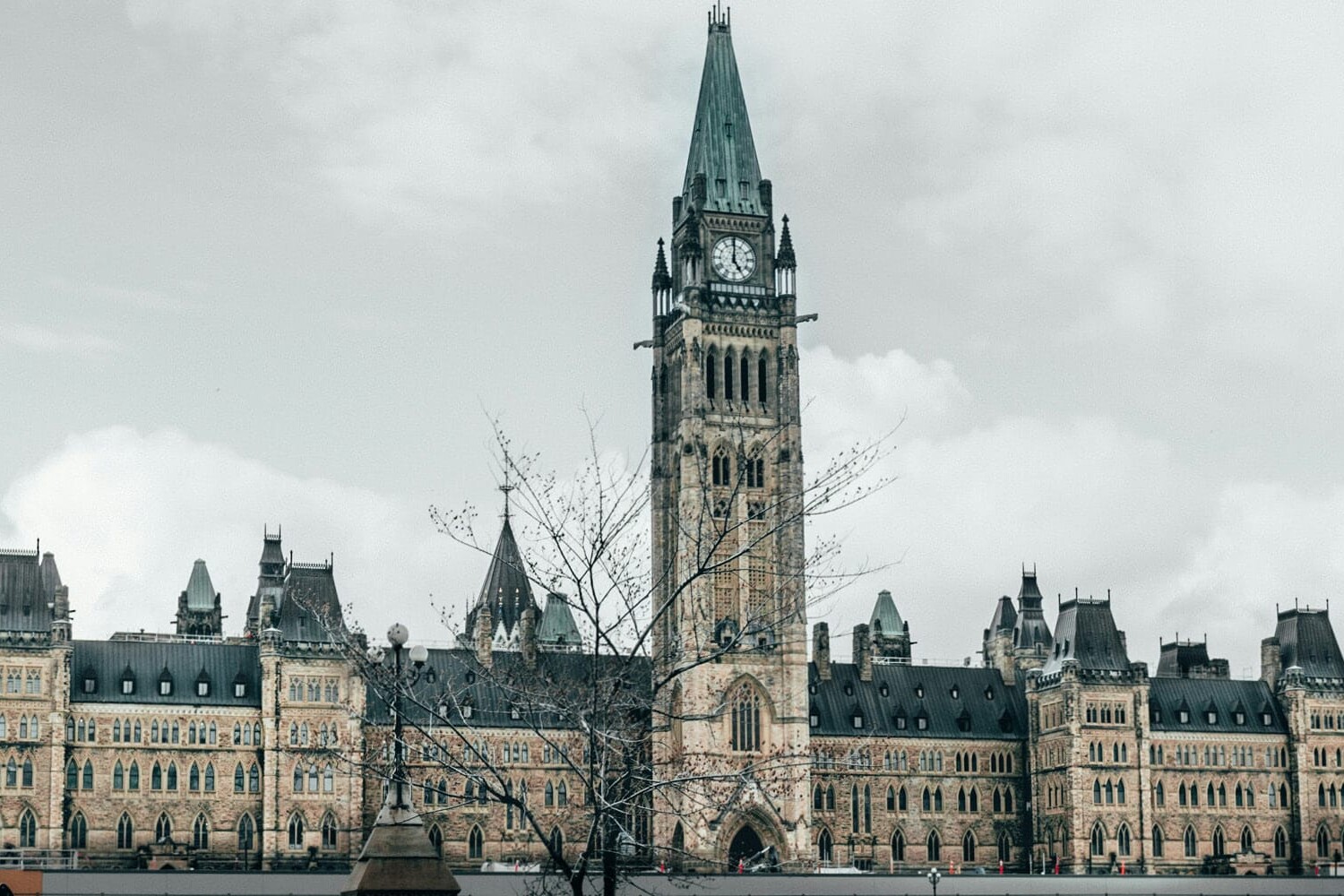
Are Canadians finally at peace with their Constitution?
After the optimism of the country’s centenary in 1967, one set of scholars published a group of essays entitled Must Canada Fail? In a similar fashion, the adoption of a new, made-in-Canada Constitution in 1982 was met with another classic academic volume: And No One Cheered.
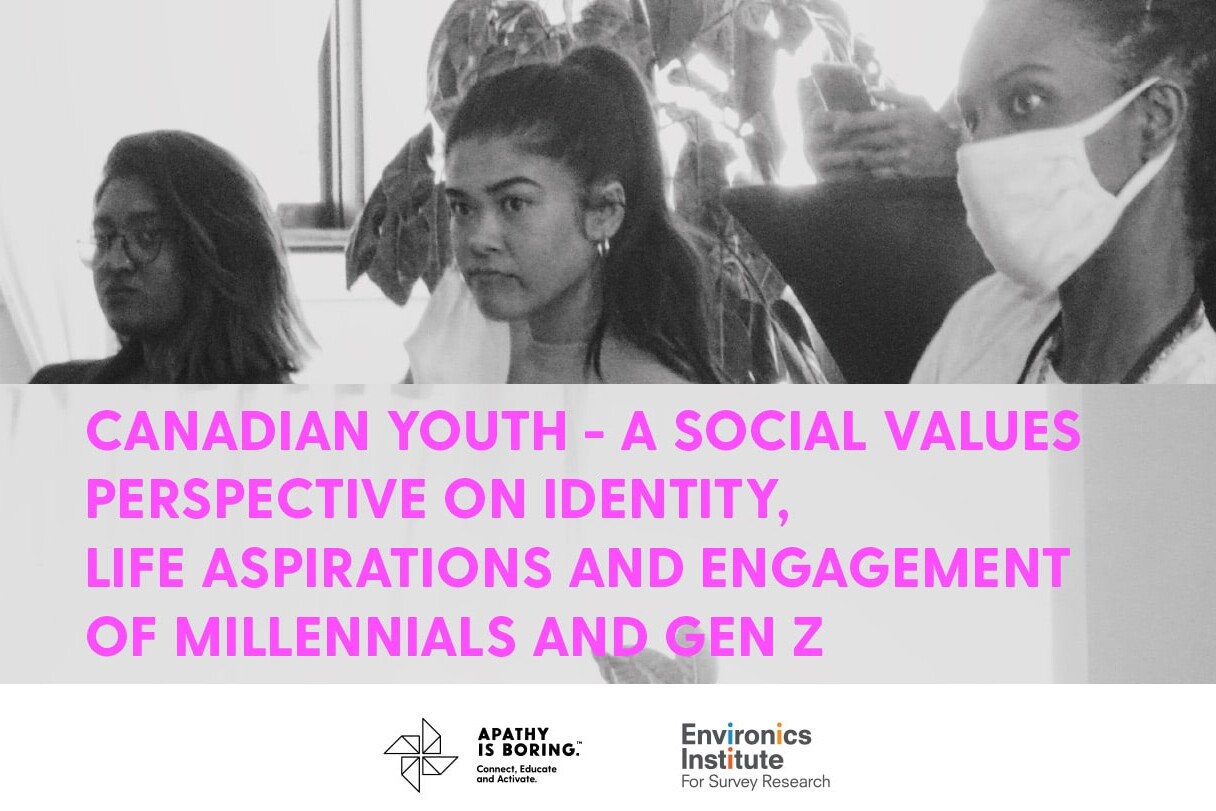
Canadian Youth
A new national research project documents for the first time the social norms that govern how Canadians think about and act on different types of racial micro-aggressive actions directed at people who are Indigenous or Black.
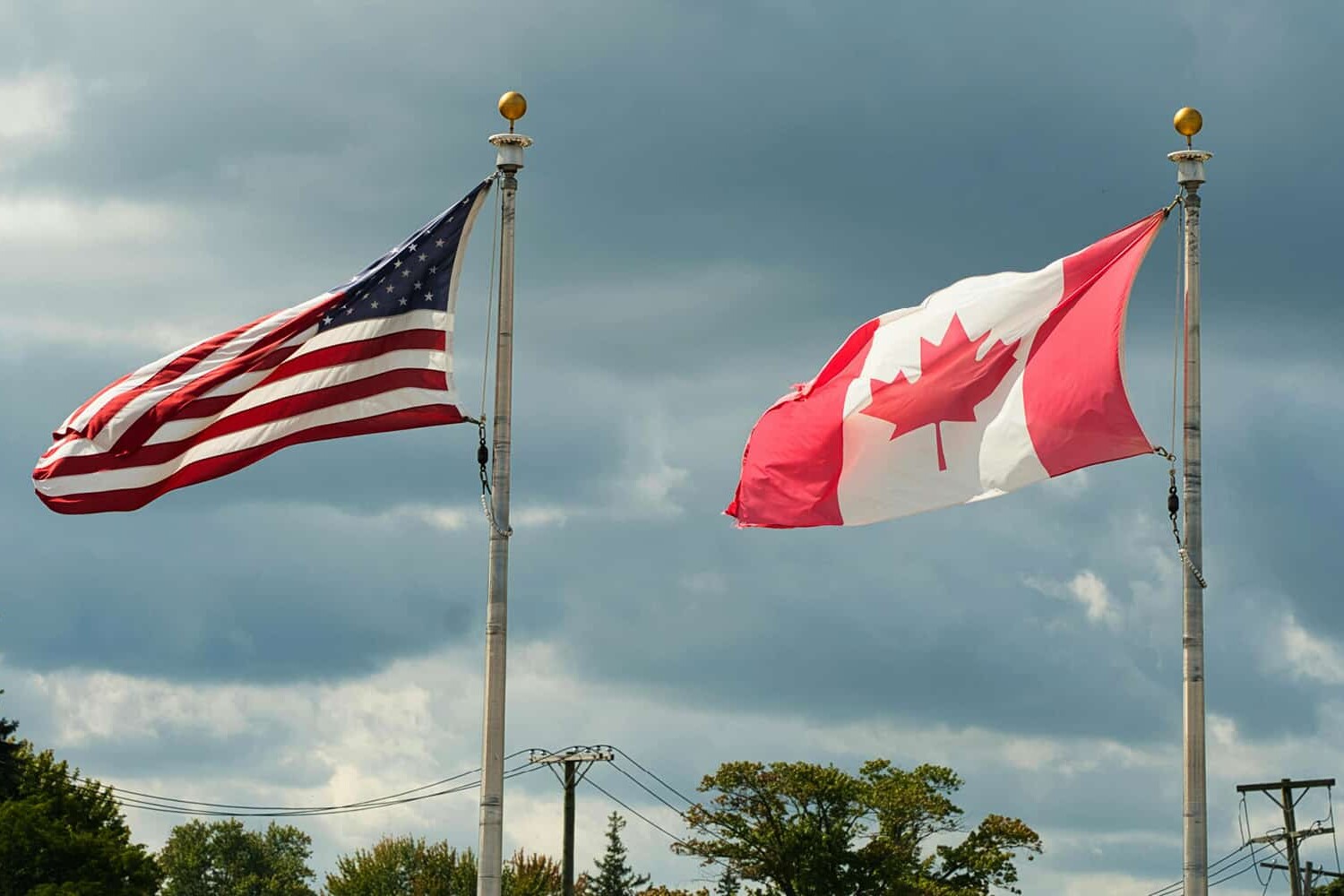
We’re witnessing the continuing cultural divergence of Canada and the United States
Almost a year ago, Canadians tuned in to watch one of the scariest reality TV shows ever produced: early 21st century American politics. On Jan. 6, thousands of radicalized, ill-informed Americans stormed the Capitol building to disrupt the certification of the results of the presidential election.
50 years of multiculturalism
On Oct 8, 1971, then-Prime Minister Trudeau announced multiculturalism as an official government policy. On the 50th anniversary of the announcement, Canadian Geographic is publishing five essays that explore the theme. T
Private sponsorship is much more than a feel-good project
As we mark World Refugee Day this June 20th, the latest United Nations High Commissioner for Refugees estimates there are 82 million people worldwide who have been forced to flee their homes, including more than 30 million children.