


The polling that matters comes after the election
Another provincial election has come and gone in Canada, and once again pre-election polling is coming under scrutiny for not getting it right. What used to be a predictable track record of accuracy in measuring voter support leading up to election day has now become anything but predictable or seemingly accurate.

Why gun control is a lost cause in America
Cultures have their own myths, institutions and trajectories. Some things have changed in America, as in other societies: slavery was abolished, women got the vote, same-sex marriage was allowed.
Bricker and Ibbitson on populism: What about Canada?
Darrell Bricker and John Ibbitson - in their February 10 Globe and Mail commentary - get it half right when they say the current tsunami of populism in western countries is largely an expression of cultural, as opposed to economic, insecurity.
Ontario PC race a battle between pragmatists, populists
As Carleton University political scientist Jonathan Malloy wrote in a recent Globe and Mail opinion piece, Ontario's Progressive Conservative party is a house divided.
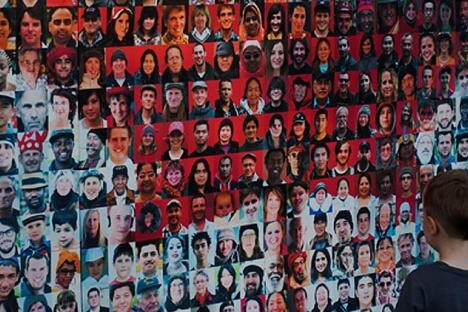
The growing diversity within federal ridings
Data on immigration and ethnocultural diversity from the 2016 census show that many Canadian communities now have a larger percentage of visible minority residents than they did in 2011. Of the 338 federal ridings in Parliament, 41 have populations where visible minorities form the majority, compared with 33 five years earlier.
AmericasBarometer 2017
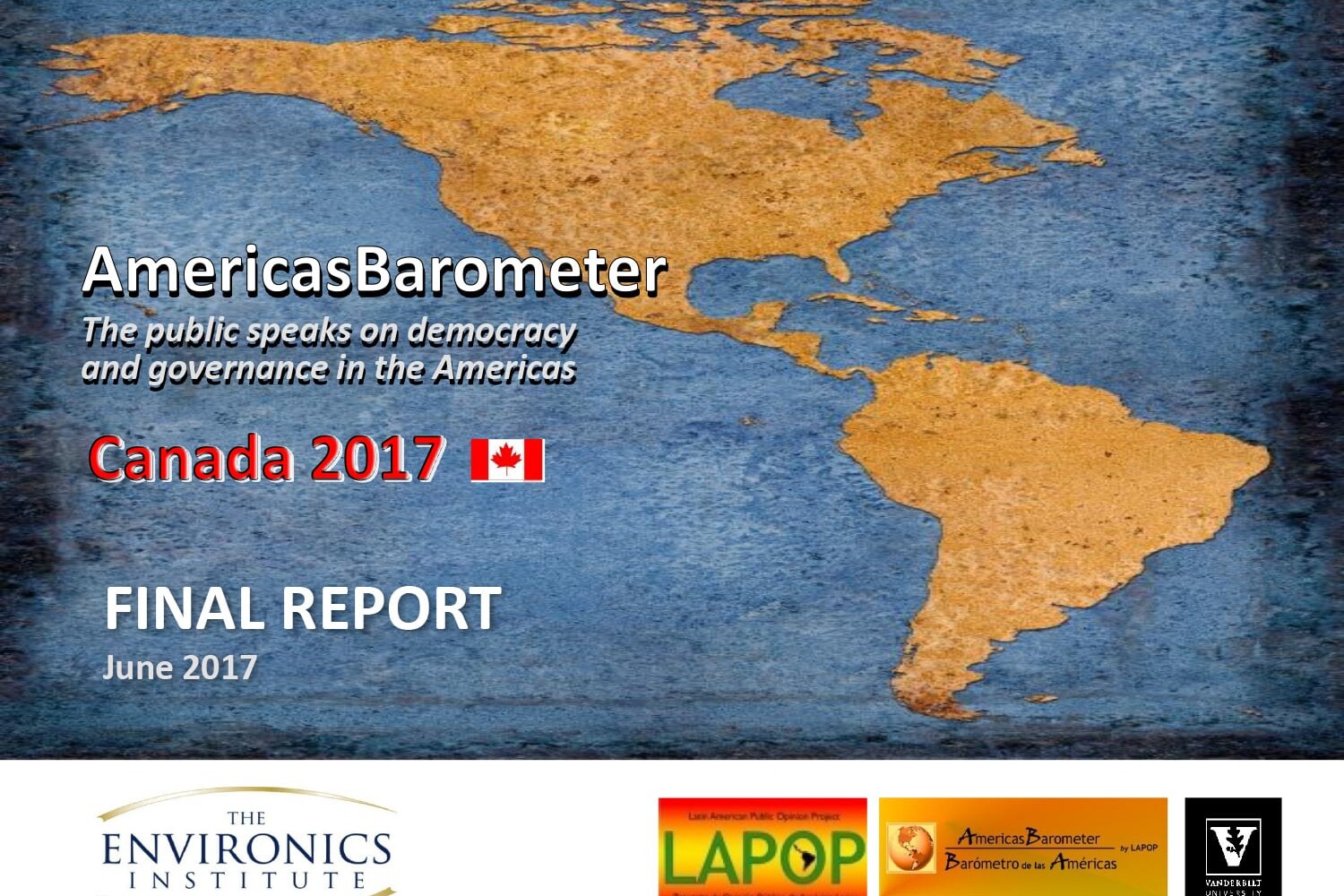
The AmericasBarometer is a 29 country public opinion survey on democracy, governance and civic engagement, conducted every two to three years by a consortium of of research partners across the western hemisphere.
The real threat: Immigrants in Canada or Kellie Leitch’s divisive politics?
Conservative leadership hopeful Kellie Leitch attracted attention last week with a proposal to screen would-be newcomers to Canada for "anti-Canadian values."
Trudeau channels Liberal values perfectly
Even as most of us are glued to America's rancorous election, some Canadians--notably committed Conservatives and New Democrats--are charged with choosing leaders whose ideas and personal identities will rally current supporters and even attract some new ones.
Take pride that Parliament reflects the face of Canada
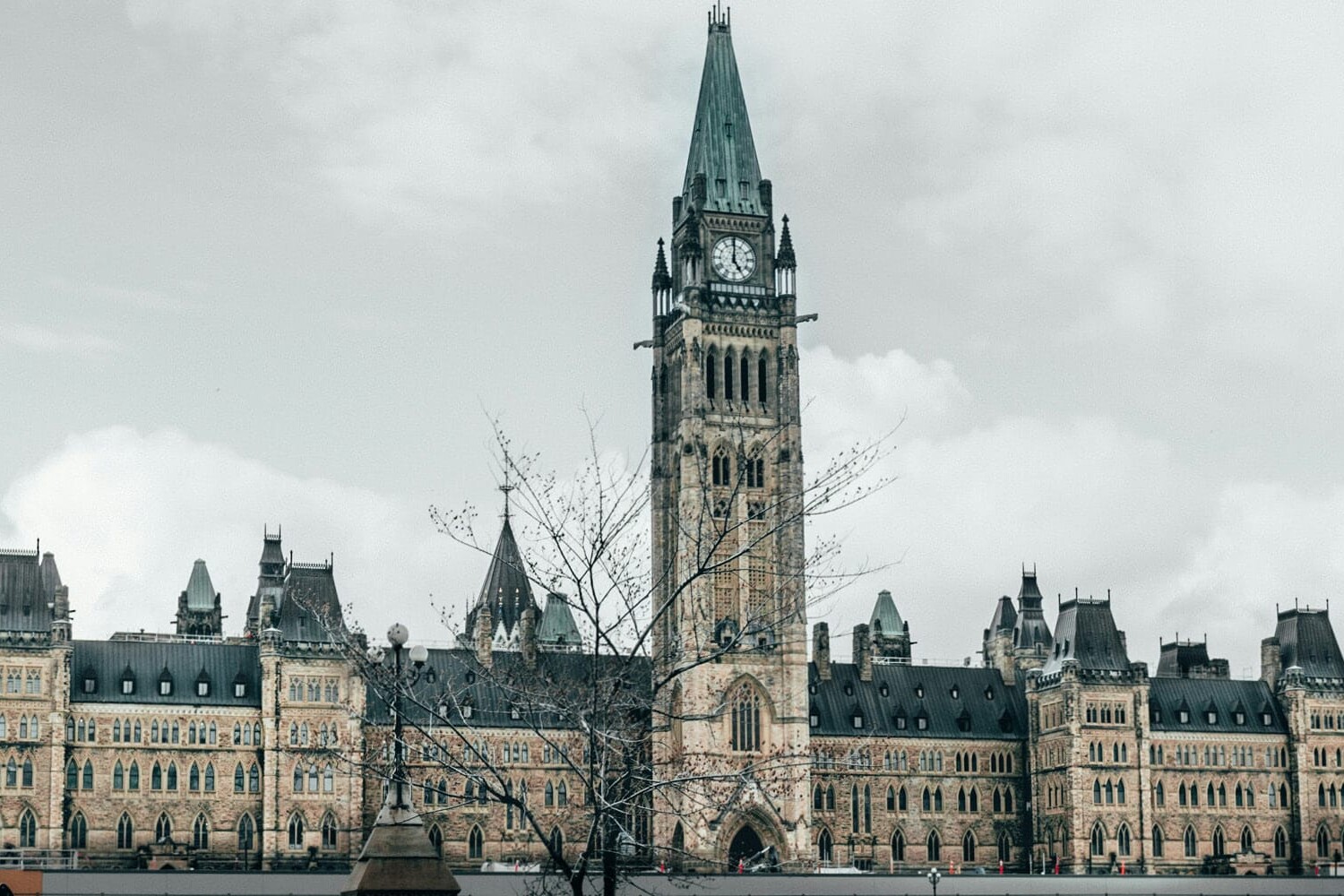
"Because it's 2015," was Justin Trudeau's memorable response to a reporter's question about why he had made it a priority to have gender parity in his cabinet. The composition of the 42nd Parliament suggests that Canadians agree with their new Prime Minister that as one of the world's most diverse countries approaches its 150th birthday, the identities of its political representatives should match the identities of its population.

Distinct societies: Why Canada, US diverge on Syrian refugees
Two-thirds of Canadians (65%) support the Liberal government’s promise to bring 25,000 Syrian refugees to Canada, according to a recent Nanos survey. About a third (34%) oppose the move either strongly or somewhat.