


Spotlight on Alberta
In Alberta, the level of discontent with the federation remains high, but has been declining gradually since 2019. This overall change, however, masks two distinct trends. On the one hand, those who support the provincial government continue to express high levels of dissatisfaction with federalism.

One issue on which Canadians aren’t polarized — the U.S.
It is easy to list the political issues that divide Canadians today. Leaders and parties stand far apart on what to do about health care, climate change and firearms, to name but a few.
The CPC needs to get back to bilingualism
Over the last 20 years, only two of the past seven federal elections have produced majority governments. Governing and opposition parties alike have struggled to grow their popularity with Canadians.
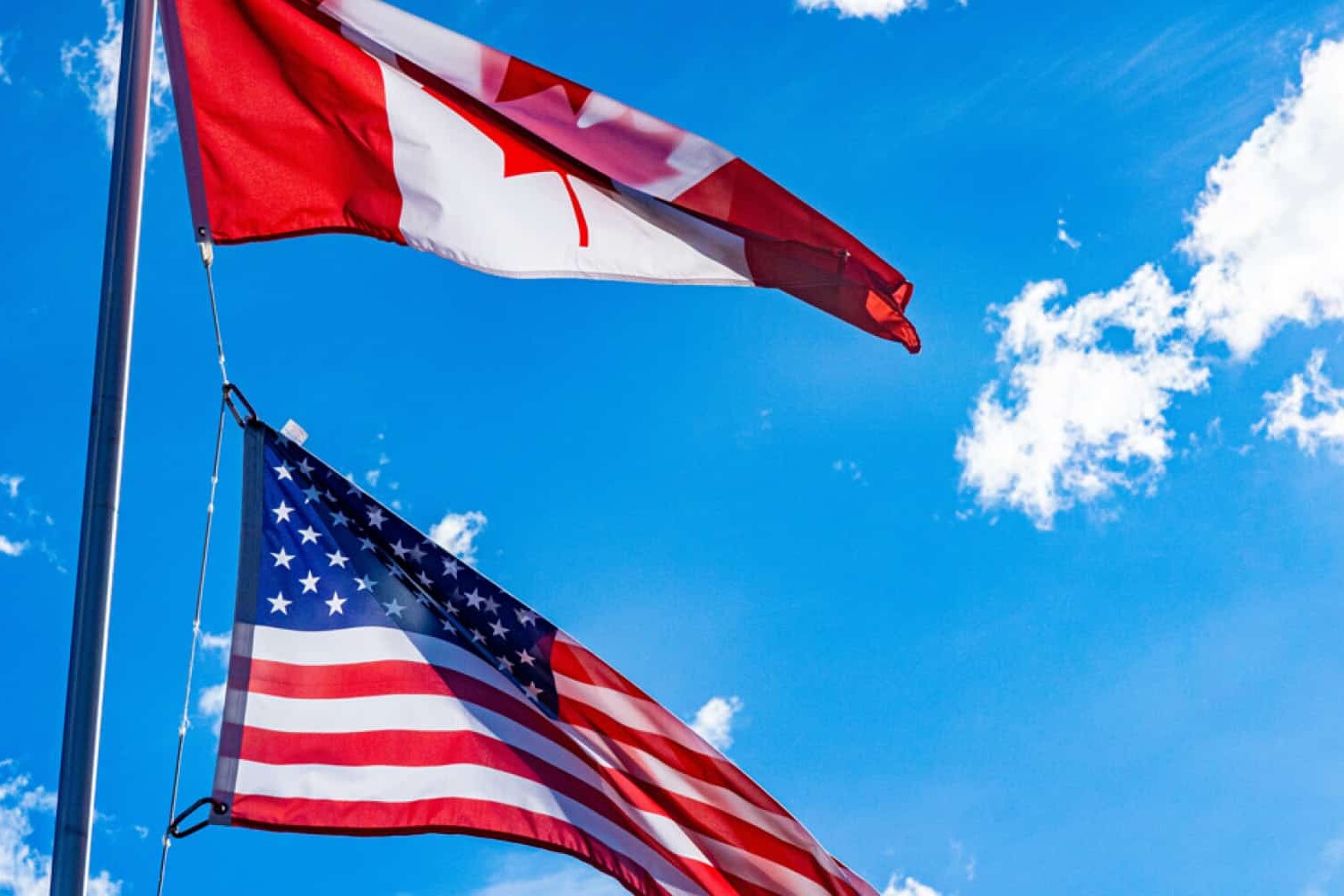
The differences between Canada and the U.S. remain significant
Political leaders in Canada benefit from our inevitable tendency to compare ourselves to the United States. No matter how bad things are here, there is a good chance they are worse there.

Surveys show Canadian are less polarized and angry than Americans
We are living in an era of populism and polarization. Our politics is divided and angry. And if anything is changing, it is changing for the worse. Or so we are often told.

Satisfaction, Outlook and Opportunities
The survey finds that younger Canadians have grown more dissatisfied with the way things are going in the country, and more pessimistic about prospects for the next generation.
Public Opinion in Canada and the United States
The diminishing concern about the impact of free trade on Canada’s cultural identity coincides with some sharp differences of opinion between Canadians and Americans on prominent social issues.

Forget Ottawa — Albertans growing alienated from their own leaders, too
There is no shortage of new irritants in the relationship between Ottawa and the three Prairie provincial governments. In recent years they have faced off over the carbon tax, pipeline construction, energy exports, federal spending and vaccine mandates. Western alienation may have deep historical roots, but current events never fail to rejuvenate the sentiment.

Are Canadians finally at peace with their Constitution?
After the optimism of the country’s centenary in 1967, one set of scholars published a group of essays entitled Must Canada Fail? In a similar fashion, the adoption of a new, made-in-Canada Constitution in 1982 was met with another classic academic volume: And No One Cheered.

Québécois et Canadiens ont-ils fait la paix avec la Constitution?
Plus de 25 ans après le référendum de 1995 sur la souveraineté et à la veille du 40e anniversaire du rapatriement de la Constitution, il peut être facile d’oublier que, du début des années 1960 à la fin des années 1990, débattre des lois fondamentales au Canada était presque devenu un sport national.