

Reconciliation and Relations with Indigenous Peoples 2023
The Confederation of Tomorrow surveys have covered relations with Indigenous Peoples from the beginning in 2019, documenting a gradual shift in Canadian public opinion toward greater support for the rights of Indigenous Peoples and the process of reconciliation.

Public opinion in Canada has been shifting, but not because of the pandemic
Everything has changed. Work, school, shopping, travelling. Visiting loved ones, whether we can hug them. Each time we think this might soon be over, the COVID-19 case numbers rise again and the light at the end of the tunnel slightly dims.
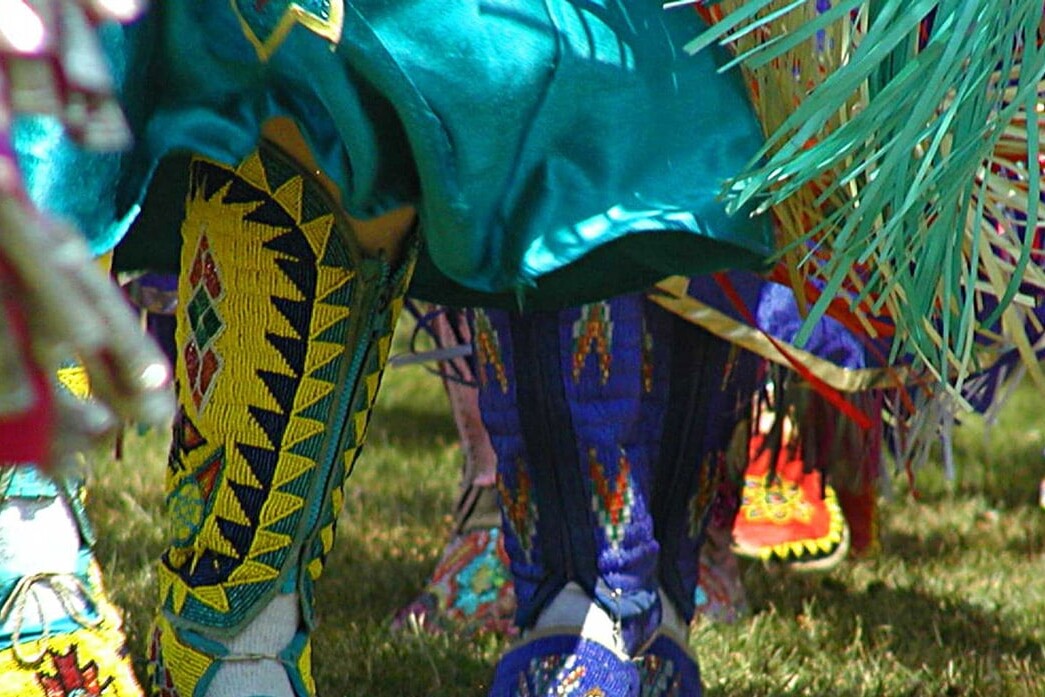
Canadian Public Opinion about Indigenous Peoples and Reconciliation
The survey reveals that, in the wake of these events, attitudes in Canada have shifted. There is a growing awareness of the mistreatment of Indigenous Peoples in Canada, including through the system of residential schools, and a growing willingness to say that the policies of Canadian governments is the main obstacle to achieving economic and social equality.
La reconnaissance du poids de l’histoire
Cette année, les Canadiens ont dû admettre plusieurs vérités dérangeantes. Nous n’avons pas su prendre soin de nos aînés durant la pandémie. Les Canadiens noirs ont raison de se méfier de la police.
Indigenous Relations and Reconciliation
In the early months of 2020, prior to the arrival of the COVID-19 pandemic in Canada, news headlines in the country were focused on the protests taking place over issues relating to Indigenous Peoples’ rights and control over national resource development.

The shifting lens through which Canadians see the Wet’suwet’en crisis
Canadians don’t just want things to get back to normal; they want things to get better. The country has moved on from where it was in 1990.
Towards Reconciliation: Indigenous and non-Indigenous Perspectives
No attempt to assess, modernize or reimagine the Canadian federation today is complete without including the perspectives of Indigenous Peoples, and addressing issues relating to the prosperity and well-being of Indigenous Peoples and communities.
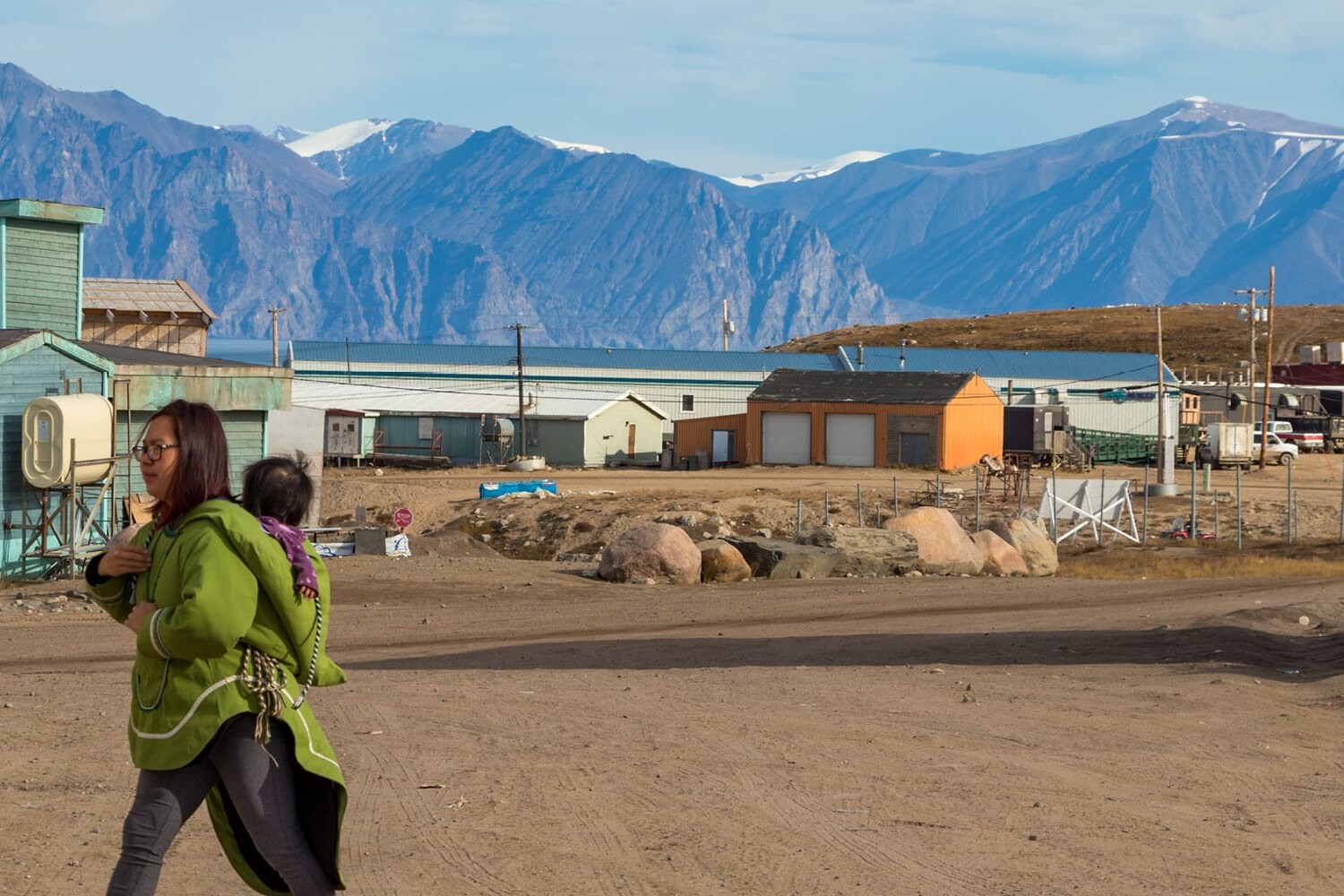
Real reconciliation in Canada might just be a matter of time
As recently as a few decades ago, most Canadians didn’t look kindly on sexual diversity. In 1987, just one in ten approved of “homosexuals.” While fewer than one in five thought a job applicant’s race (18%) or religion (14%) mattered, 44 percent believed homosexuality should be taken into account.
Youth see hope for reconciliation but it will take work
There have been many expressions of goodwill toward reconciliation since the release of the Truth and Reconciliation Commission Calls to Action in 2015.
Canadian Youth Reconciliation Barometer 2019
Canada’s relationship with the Indigenous Peoples who first inhabited this land continues to be largely unresolved and fraught with controversy.