

Social norms and racism in Canada
A new national research project documents for the first time the social norms that govern how Canadians think about and act on different types of racial micro-aggressive actions directed at people who are Indigenous or Black.

Here’s how we can stop sick people from going into work
Our survey finds that, prior to the pandemic, one in two Canadians who woke up on a workday feeling a little sick would have gone into work anyway. And a lack of paid sick days is not the main reason why.
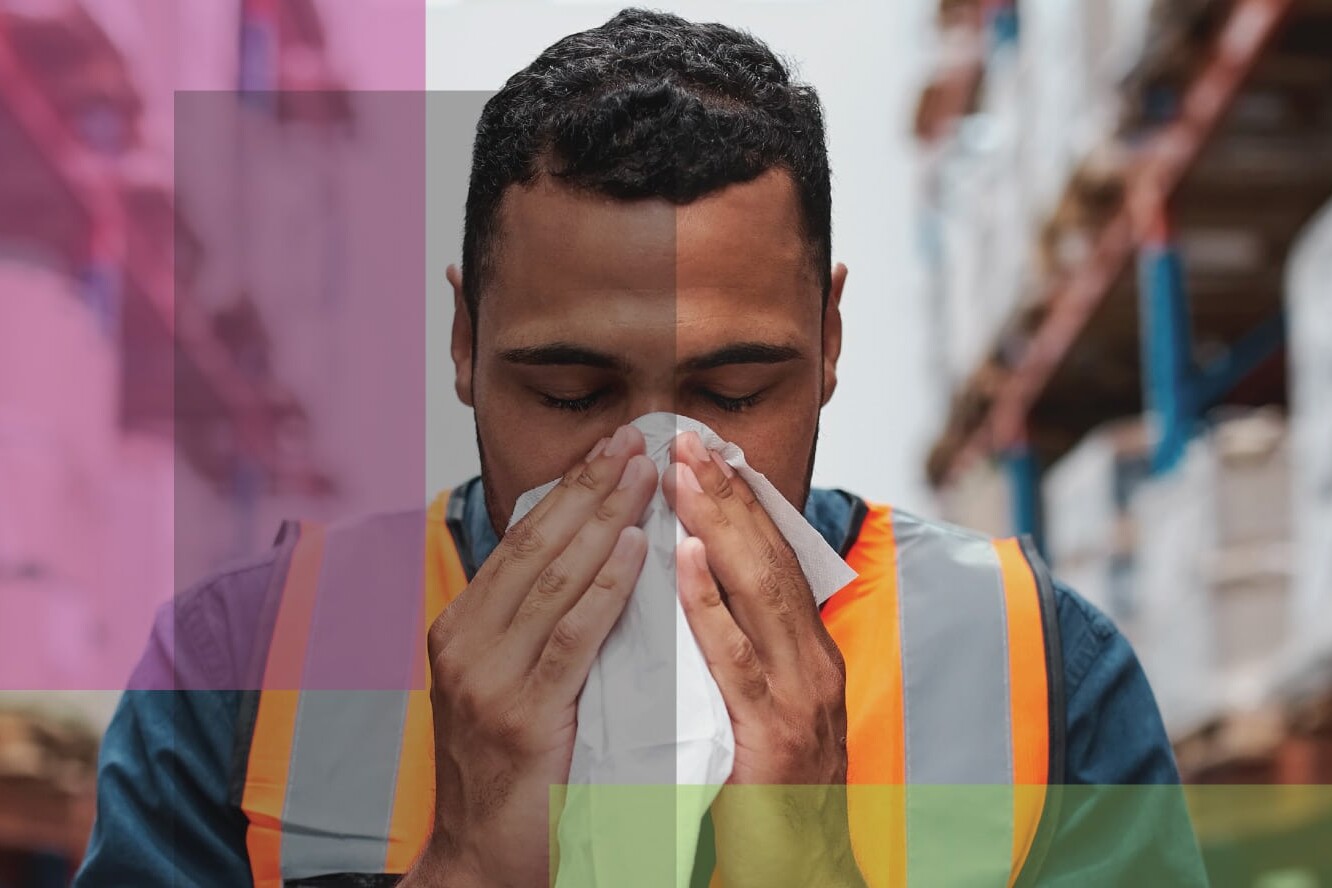
Working when sick
Efforts to improve public health and contain the spread of serious illness must focus on both the lack of paid sick days for many workers and the behaviour of those who have access to paid sick days but choose not to use them because of the prevailing workplace culture.

What if we keep working from home?
Millions of Canadians are now well into their second year of working from home. As the COVID-19 pandemic hit, non-essential employees began working from their couches, kitchens and bedrooms, hopping virtually from one endless video meeting to another.
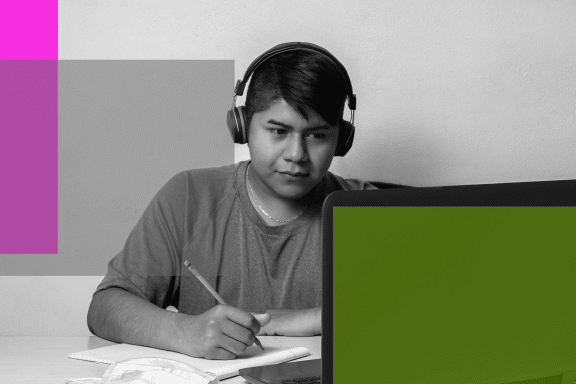
Making up time
This report explores the experiences during the pandemic of younger adults, defined as those between the ages of 18 and 34.

Canadians are waking up to the reality of racism. Now is the time for leaders to act.
The past two years have witnessed a transformation in the national conversation about race in this country. Within this relatively short span of time, the tragic murder of George Floyd in Minneapolis has crystalized the issue of anti-Black racism and the excessive use of force by polic
Respect, Influence and Fairness in the Canadian Federation
Did the federal, provincial and territorial responses to the crisis alleviate or exacerbate public discontent with how federalism works in Canada?

Private Refugee Sponsorship in Canada
Given the high profile that refugee resettlement received over the past five or so years, it is not surprising that there is widespread public awareness.

Greater inclusion is a win-win strategy for the recovery
The COVID-19 pandemic’s devastating effects on Canadians are plain to see. Countless families are struggling to cope with their grief over the loss of loved ones. Hospital staff are exhausted by their non-stop efforts to care for patients in intensive care.
The Role of Governments and the Division of Powers
The COVID-19 pandemic has presented governments in Canada with enormous challenges. While the current priority remains stemming the spread of the virus and accelerating the pace of vaccinations, governments are also looking ahead to the measures needed to shape an economic recovery.