


How working from home is affecting the workplace
Exploring how the shift to working from home is affecting job satisfaction, productivity, teamwork, and equity and inclusion is an important step in assessing the current state of the workplace in Canada.

Inter-generational Mobility in Canada
The 2024 survey finds that the proportions of Canadians who feel financially worse off today than their parents were at their age, and who feel that the next generation will be worse off than they are, are both trending upwards.

Developing a material deprivation index
In Canada, we commonly measure the extent of poverty by determining a poverty line. An alternative approach is to assess a household’s standard of living by looking at the goods and services it has, or has access to, and the activities in which it participates. This method of measuring poverty is called a material deprivation index (MDI).

Addressing climate change in the Canadian federation
Canadians are evenly divided on the relative priority that should be given to protecting the environment versus protecting jobs. The emphasis placed on environmental protection has declined since 2023 across the population.
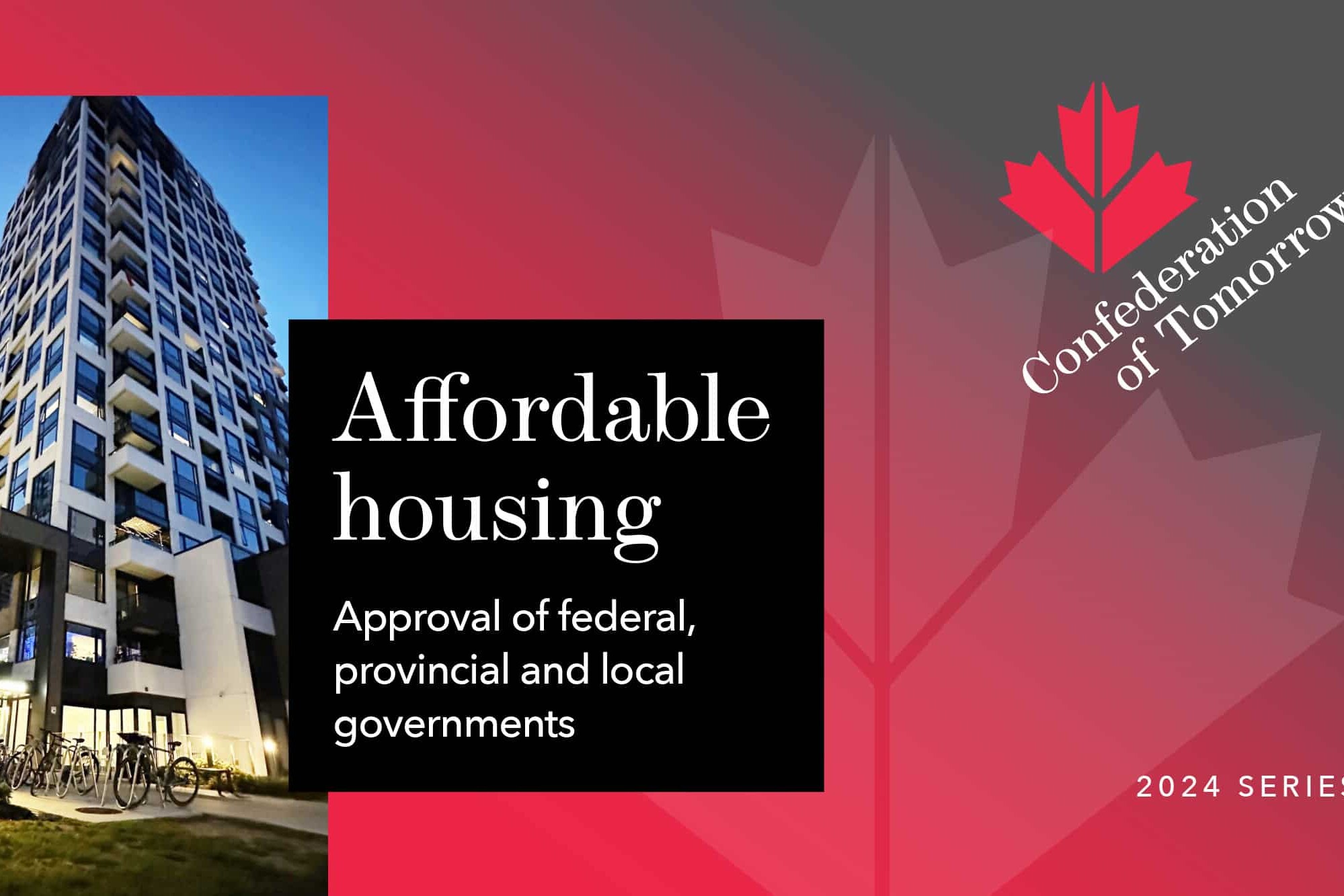
Affordable housing: approval of federal, provincial and local governments
The availability and affordability of housing has emerged as a top public policy issue. And it is one in which all governments – federal, provincial and territorial, and local – have a role to play.

Paying for skills training: Why employers need to act more strategically
At a time of rapid change in the workplace, access to skills training is key to workers’ success. Workers cannot expect that the knowledge and know-how they learned during their years in formal education will see them through their entire careers. | By Andrew Parkin
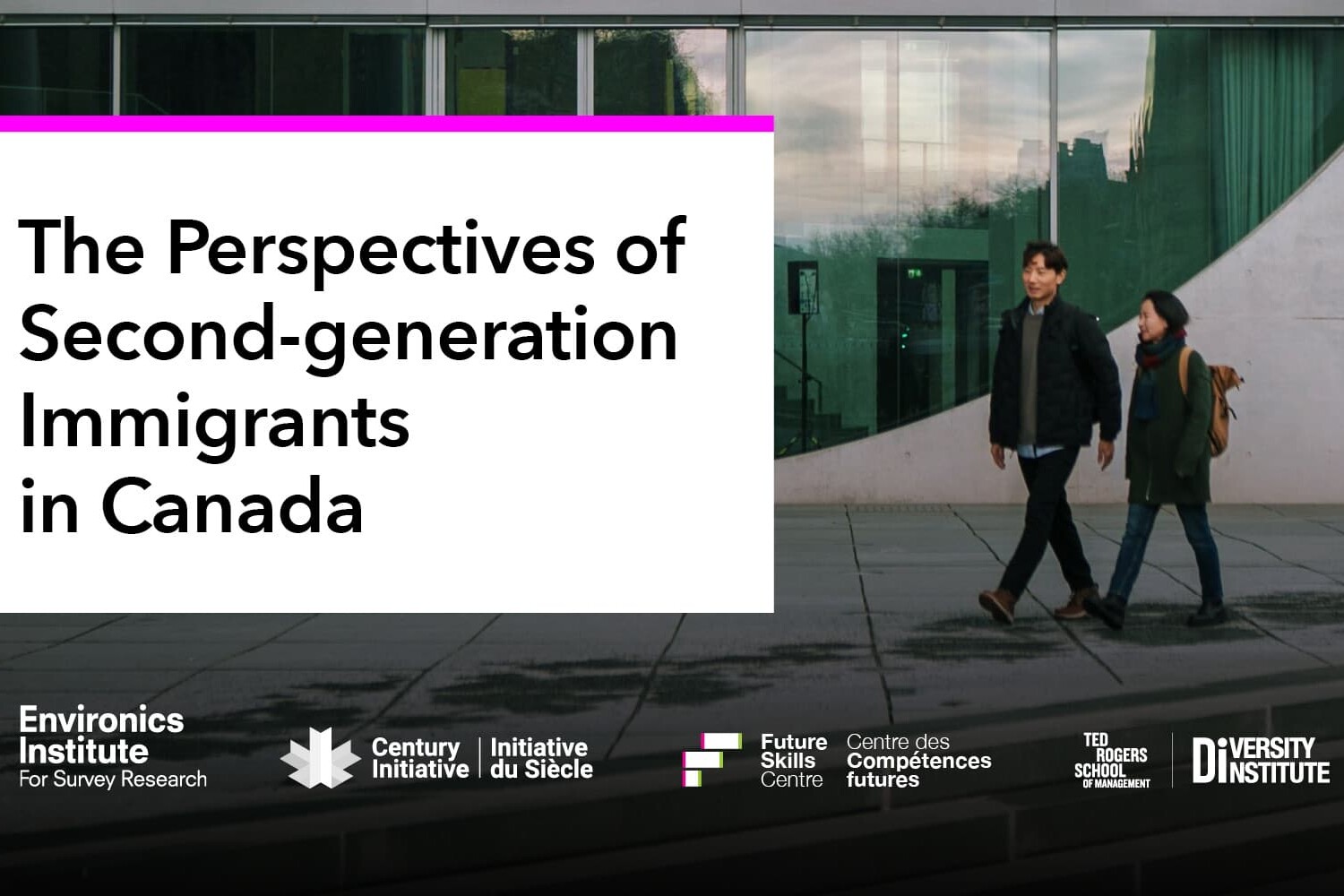
The Perspectives of Second-generation Immigrants in Canada
Outcomes for second-generation immigrants are typically measured in terms of educational attainment, employment rates and income. These indicators are important, but they tell us little about the experience that second-generation have balancing the values and expectations of their immigrant parents with those of Canadian society more generally.
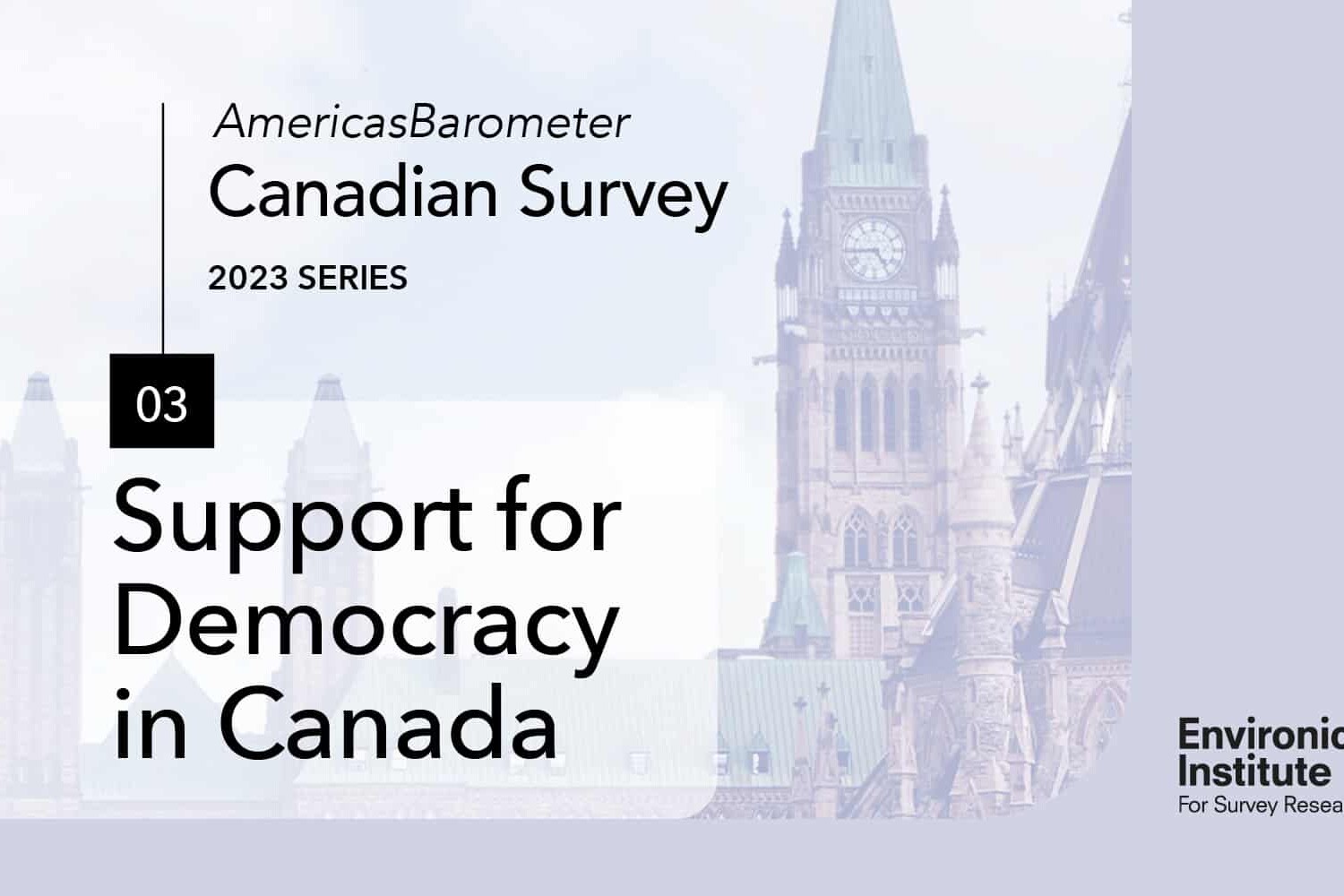
Support for Democracy in Canada
This report focuses on the extent of public support for democracy in Canada, and examines whether this support has been weakening over time. The analysis is based on the results of the Canadian portion of the AmericasBarometer surveys, which track opinions on a consistent set of questions about democracy and its alternatives.

Canada can’t afford to be complacent about skills training
As we move past the COVID-19 pandemic, there is a tension between the desire to go back to the way things were in the workplace before, and an interest in finding new and better ways to work. | By Andrew Parkin, Pedro Barata & Wendy Cukier
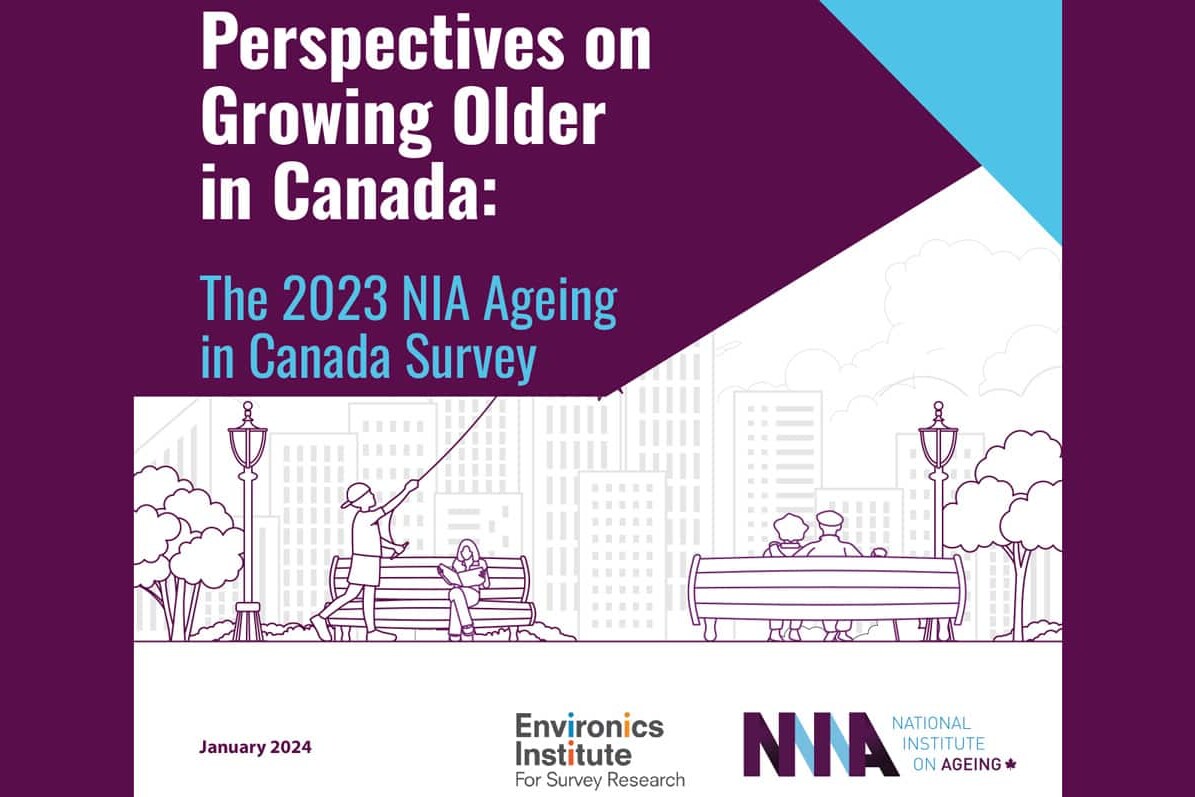
2023 NIA Ageing in Canada Survey
In less than 10 years, one-quarter of Canada’s population will be aged 65 years and older. Fully understanding the circumstances and evolving needs of this ageing population requires collecting regular and reliable data from older Canadians themselves.