


A majority of Canadians support equalization – even in Alberta
This coming October will mark the 25th anniversary of the last Quebec referendum on sovereignty. Many Canadians, inside and outside the province, will celebrate by being thankful that we have finally put the era of constitutional plebiscites behind us.

Millennial and Gen Z francophones don’t value Quebec nationalism
The year 2020 will forever be remembered for the COVID-19 pandemic, but it remains significant in other ways. Among other things, it marks 40th and 25th anniversaries of Quebec’s two referendums on sovereignty.

Canada is not the regionally divided country it’s made out to be
The one thing that the October 2019 federal election appeared to make clear was just how regionally divided the country had become. The Liberals were shut out of Alberta and Saskatchewan, the Conservatives fared almost as poorly in Toronto and Montreal, and the sovereigntist Bloc Québécois rebounded to form the third largest party in the House of Commons.

Public Opinion in Metropolitan Canada
This report examines public opinion on a range of issues in Canada’s four largest metropolitan areas – Montreal, Toronto, Calgary-Edmonton (combined) and Vancouver – areas that together hold 43 percent of the country’s total population.
Towards Reconciliation: Indigenous and non-Indigenous Perspectives
No attempt to assess, modernize or reimagine the Canadian federation today is complete without including the perspectives of Indigenous Peoples, and addressing issues relating to the prosperity and well-being of Indigenous Peoples and communities.
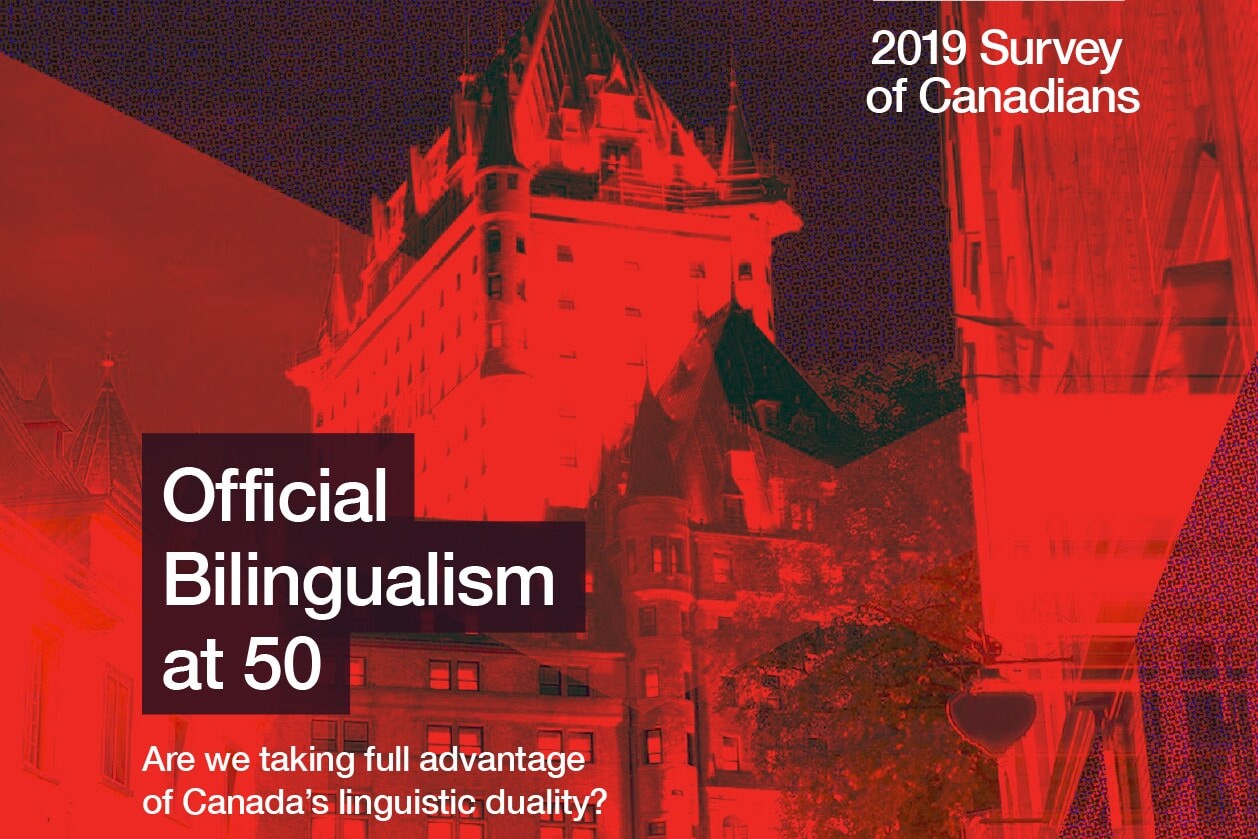
Official Bilingualism at 50
Fifty years after the passage of the Official Languages Act, more than eight in ten Canadians support the policy of official bilingualism.
Canada: Pulling Together or Drifting Apart?
This report looks at Canadians' identity within the country, and how they see their province or territory's place in the federation.
Making Federalism Work
This report focuses on the ways in which the country’s federal, provincial and territorial governments should work together as federal partners to address key issues.