

Three young women sit attentively in a room; one wears a face mask. Text reads: “Canadian Youth: A social values perspective on identity, life aspirations, and engagement of Millennials and Gen Z.”.

Canadian Youth

A new national research project documents for the first time the social norms that govern how Canadians think about and act on different types of racial micro-aggressive actions directed at people who are Indigenous or Black.
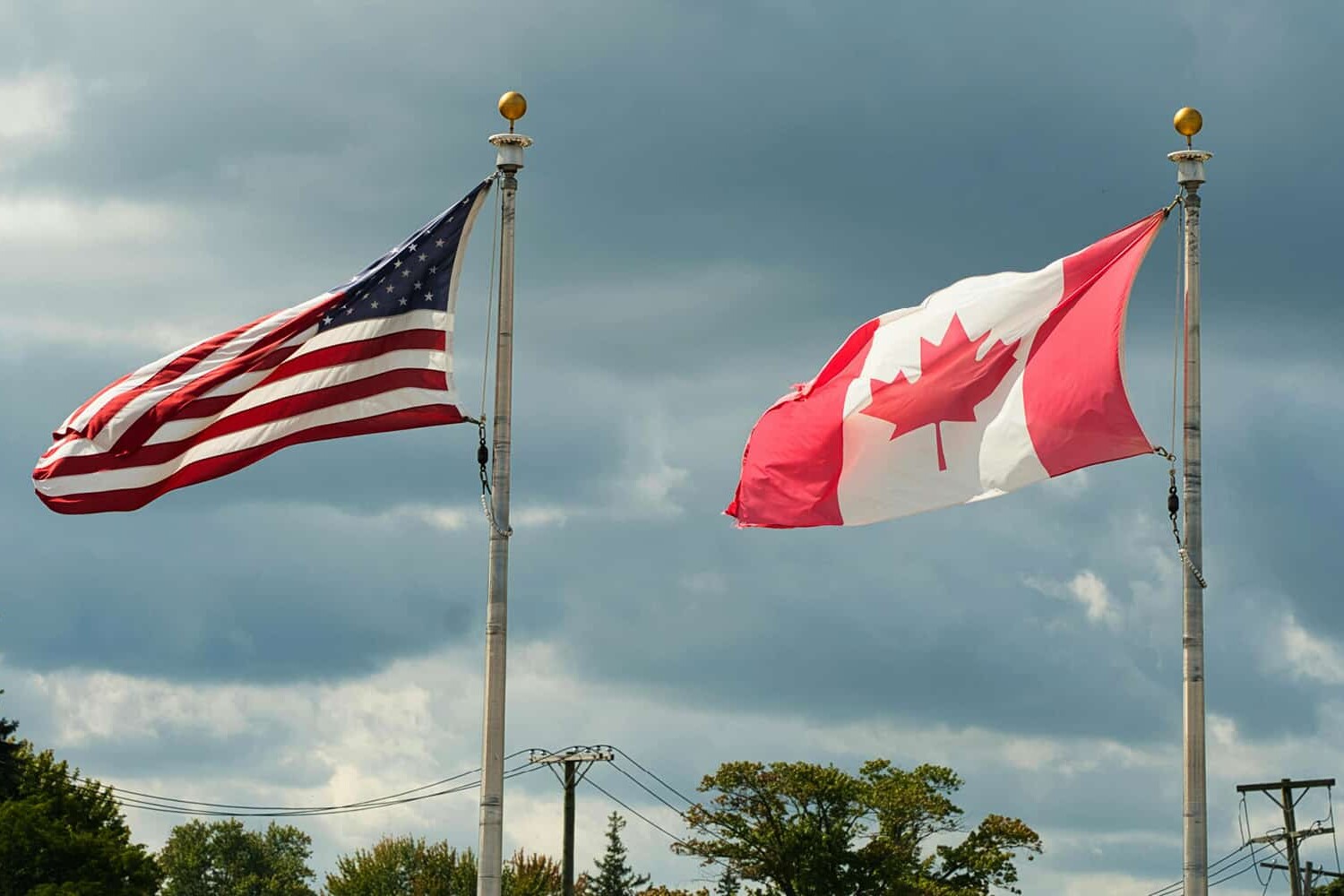
Two flags, the United States on the left and Canada on the right, wave on tall flagpoles against a cloudy sky with trees and utility poles in the background, symbolizing the continuing cultural divergence of Canada and the United States.

We’re witnessing the continuing cultural divergence of Canada and the United States

Almost a year ago, Canadians tuned in to watch one of the scariest reality TV shows ever produced: early 21st century American politics. On Jan. 6, thousands of radicalized, ill-informed Americans stormed the Capitol building to disrupt the certification of the results of the presidential election.

Four young people stand side by side outdoors at sunset, looking ahead with serious expressions—a reminder that Canadians need to keep talking about racism as the warm sunlight casts a golden glow across their faces and the open, blurred background.

50 years of multiculturalism

On Oct 8, 1971, then-Prime Minister Trudeau announced multiculturalism as an official government policy. On the 50th anniversary of the announcement, Canadian Geographic is publishing five essays that explore the theme. T
Red text reads Attachment and Advantages: How Canadians View their Country, their Province and their Neighbour beside a logo of nine maple leaves and the words confederation of tomorrow on a map background.

Attachment and Advantages

The mid-point of each calendar year offers an ideal opportunity for Canadians to reflect on issues related to national identity.
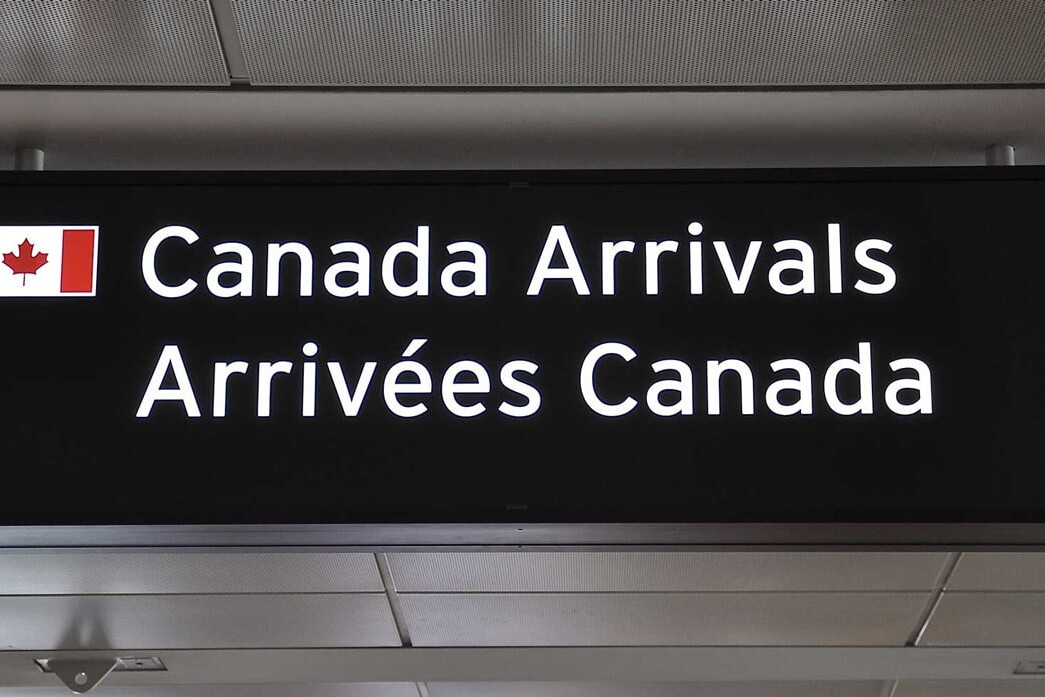
A bilingual airport sign with a Canadian flag points to Canada Arrivals in English and Arrivées Canada in French, subtly reminding travelers that private sponsorship is much more than a feel-good project—it's part of Canada's welcoming spirit.

Private sponsorship is much more than a feel-good project

As we mark World Refugee Day this June 20th, the latest United Nations High Commissioner for Refugees estimates there are 82 million people worldwide who have been forced to flee their homes, including more than 30 million children.

A group of five diverse young children, including a girl in a hijab, sit together smiling in a classroom. Above them, text reads: Private Refugee Sponsorship in Canada - 2021 Market Study.

Private Refugee Sponsorship in Canada

Given the high profile that refugee resettlement received over the past five or so years, it is not surprising that there is widespread public awareness.
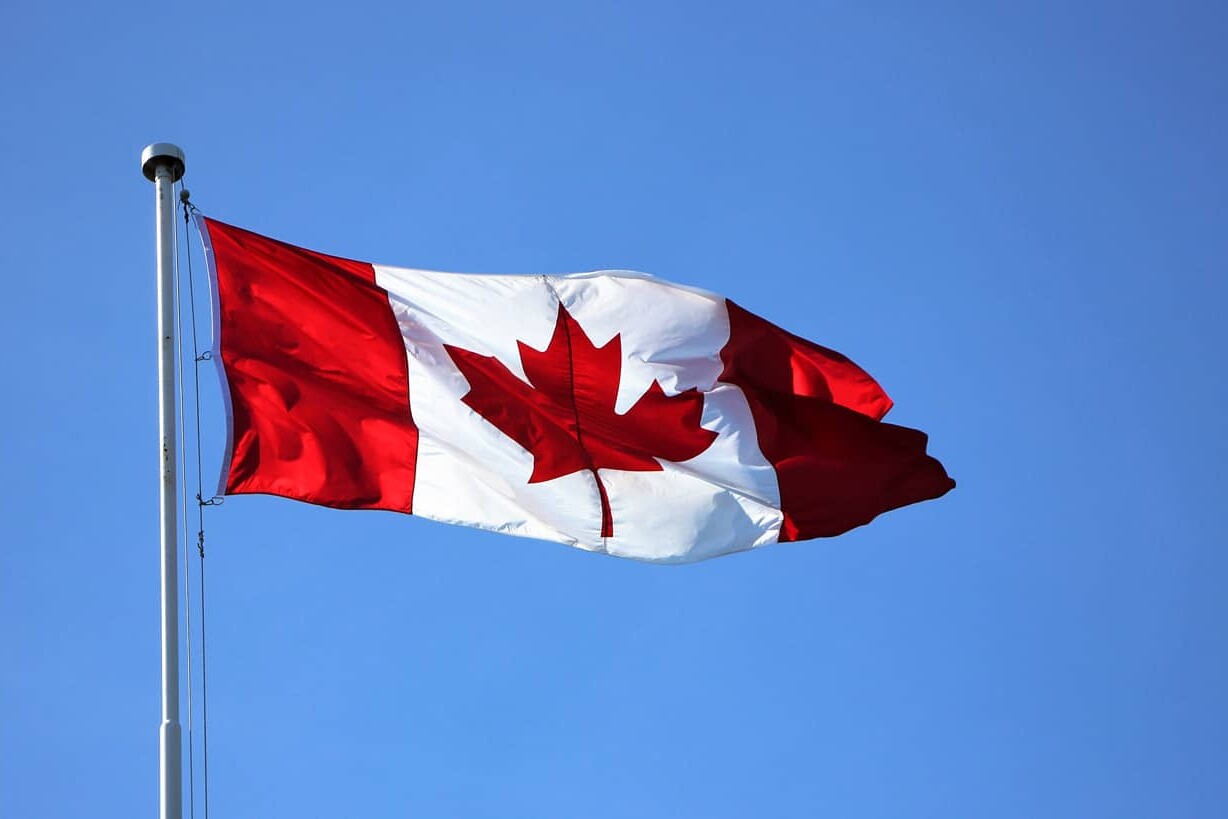
The Canadian flag, featuring a red maple leaf on white with red bars, waves proudly on a flagpole against a clear blue sky—a fitting symbol for the nation known for its politeness, as Canada is sorry – a lot.

Can Canada engage in a significant constitutional change that leaves us more united?

The resignation of Canada’s governor general and the renewed in-fighting within the royal family have sparked a fresh round of reflection about Canada’s ties to the monarchy.

Four young people stand side by side outdoors at sunset, looking ahead with serious expressions—a reminder that Canadians need to keep talking about racism as the warm sunlight casts a golden glow across their faces and the open, blurred background.

Changing social norms is the key to addressing racism

When the COVID-19 pandemic began to spread in North America last March, it was hard to imagine anything else capturing a large share of public attention in the ensuing months.

An adult helps a young girl adjust her black face mask with a cat design. The girl, wearing a backpack and school uniform, stands indoors in a well-lit room—a scene reflecting how public opinion in Canada has been shifting but not because of the pandemic.

COVID-19 changed everything, except Canada’s values of inclusiveness

While populists around the world have used the pandemic’s many upheavals to sow fears against newcomers, Canada might never have been more sure of its broadly welcoming spirit than now.

A person holds a bright red maple leaf toward the camera, with their face out of focus. Sunlight filters through green trees, creating a warm atmosphere—reflecting how Canadians want lasting change with economic recovery, as a new survey shows.

A Better Canada: Community, Citizenship and Engagement

The events of 2020 have disrupted every aspect of Canadians’ daily lives. What is less clear is the extent to which they have also changed their longer-term outlook.

Environics Institute for Survey Research

701-33 Bloor Street East
Toronto, ON M4W 3H1

info@environicsinstitute.org

Subscribe to our eNews

Subscribe to our eNews to stay apprised of our latest reports, Insights, events, and media mentions.

Stay Connected