


Canadian public opinion about immigration and refugees
The year 2020 has been unprecedented in Canada and worldwide, starting with a global pandemic the likes of which have not been seen in 100 years, causing the greatest economic slowdown since the Great Depression.

A Better Canada: Values and Priorities after COVID-19
Five months after the onset of the COVID-19 pandemic in Canada, the Environics Institute for Survey Research and the Vancouver City Savings credit union joined forces to conduct a comprehensive study of public opinion about what Canadians are expecting from their governments, from corporations and from one another.

Adapting to the changing world of work
The survey finds that Canadians tend to have a positive assessment of both the impact of technological change and the value of the post-secondary education and skills training that they have received.
Canadians’ shifting outlook on employment
The survey finds that Canadians tend to have a positive assessment of both the impact of technological change and the value of the post-secondary education and skills training that they have received.

Political Polarization in Canada and the U.S.
This report explores the issue of political polarization in Canada and the United States through an analysis of public opinion data about democracy collected over the past decade.
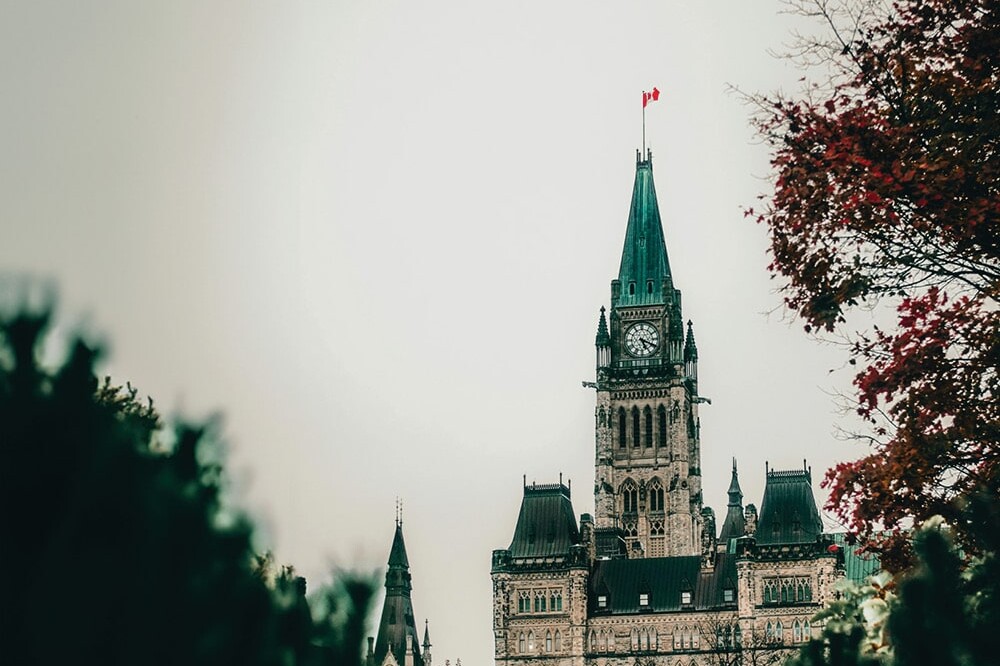
Public Support for Canada’s Political System
Previous research has shown that satisfaction with political institutions and trust in political actors in Canada has gradually been rising over the past decade. This report pushes this analysis deeper, by focusing not only on the national trend, but on sub-national ones as well.

Intergenerational Mobility in Canada
A succession of economic downturns over the last decades has led many to express concerns that the next generation of Canadians will be less, and not more, well-off than the ones that preceded it.
Race Relations in Canada 2019
This study confirms the reality of racism in Canada. Also important, it shows that this reality is widely if not universally acknowledged. Many Canadians across different racial backgrounds report experiences of racism and discrimination due to race, and also recognize that it also affects others of their own race and from other racial groups.

Influence in Canadian Politics
Concerns have long been expressed about the extent of influence exercised by powerful or well-connected groups in society over the direction of the government.

Regional Perspectives on Politics and Priorities
The latest Environics Institute Focus Canada survey, conducted during the last two weeks of the recent federal election campaign, highlights some of the regional differences in outlook in Canada that are now reflected in the distribution of seats in the House of Commons.