


Changing social norms is the key to addressing racism
When the COVID-19 pandemic began to spread in North America last March, it was hard to imagine anything else capturing a large share of public attention in the ensuing months.

Ten trends that will shape events in 2021
Only a fool would set out to forecast events for 2021 considering the unexpected year we’ve had. But we can still reflect on how the events of the past 12 months have set the stage for what comes next.

COVID-19 changed everything, except Canada’s values of inclusiveness
While populists around the world have used the pandemic’s many upheavals to sow fears against newcomers, Canada might never have been more sure of its broadly welcoming spirit than now.
Canadian governments must not squander their most precious resource in the fight against COVID-19
Since the start of the COVID-19 pandemic, governments in Canada have benefitted from remarkable public goodwill.

Are the robots coming for our jobs?
Are the robots coming for our jobs? For years, that’s been the fear. Experts have warned that automation and artificial intelligence will disrupt the labour market.

Thanks to Quebec millennials, another referendum isn’t looming
Some observers say Canada has never been more divided than it is today. They’re wrong. Oct. 30 marks the 25th anniversary of Quebec’s second referendum on sovereignty.

New survey shows Canadians want lasting change to accompany economic recovery
Whoever pens Wednesday’s speech from the throne has no shortage of topics and suggestions to choose from. Pundits on both the left and the right have not been shy about sharing their favourite ideas.

A majority of Canadians support equalization – even in Alberta
This coming October will mark the 25th anniversary of the last Quebec referendum on sovereignty. Many Canadians, inside and outside the province, will celebrate by being thankful that we have finally put the era of constitutional plebiscites behind us.
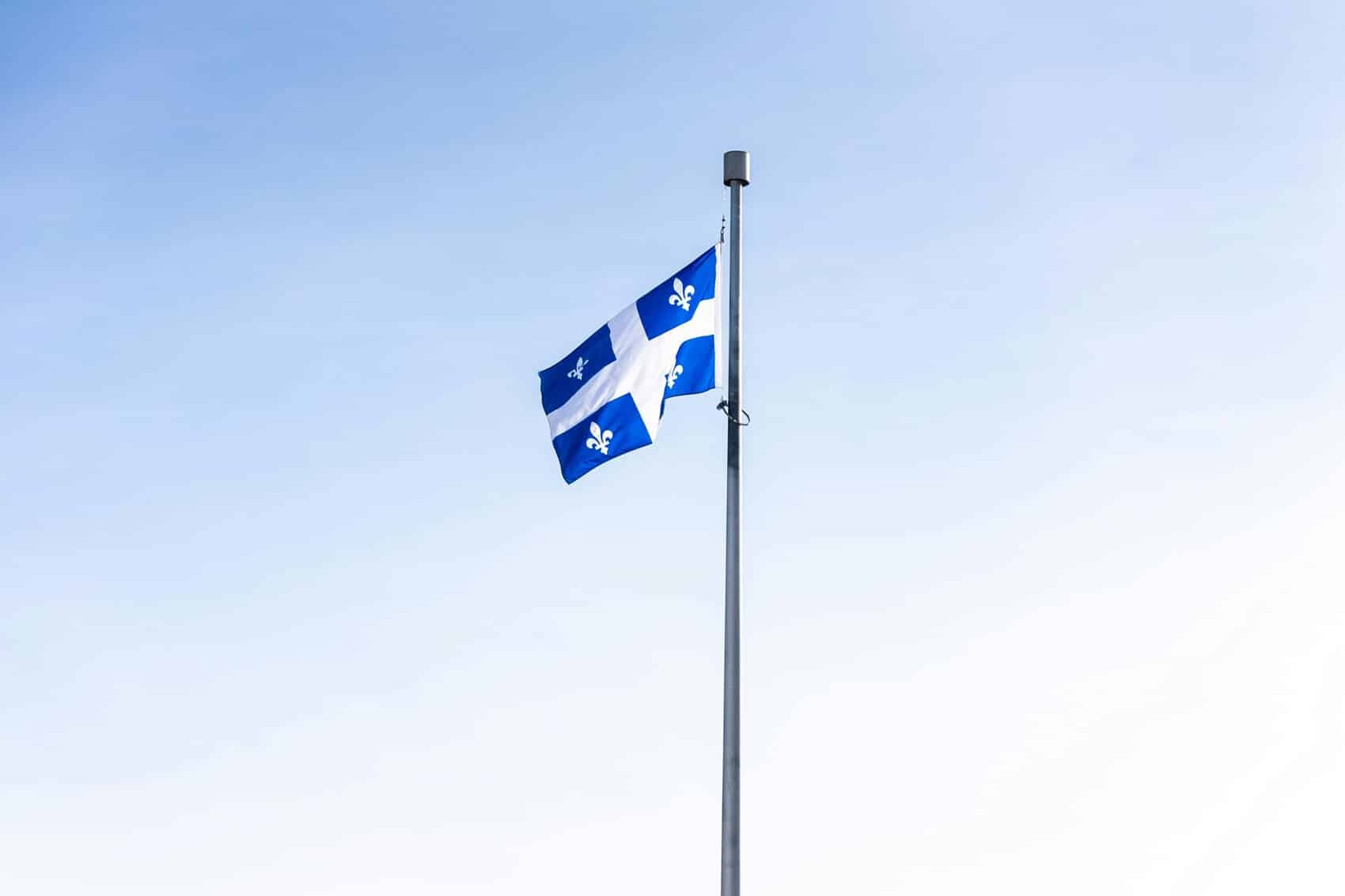
Millennial and Gen Z francophones don’t value Quebec nationalism
The year 2020 will forever be remembered for the COVID-19 pandemic, but it remains significant in other ways. Among other things, it marks 40th and 25th anniversaries of Quebec’s two referendums on sovereignty.

Canada is not the regionally divided country it’s made out to be
The one thing that the October 2019 federal election appeared to make clear was just how regionally divided the country had become. The Liberals were shut out of Alberta and Saskatchewan, the Conservatives fared almost as poorly in Toronto and Montreal, and the sovereigntist Bloc Québécois rebounded to form the third largest party in the House of Commons.