


Housing Affordability
As immediate concern with the COVID-19 pandemic faded, new issues have appeared on the public’s agenda, the most prominent of which have been the cost of living and the affordability of housing.
Citizen Voice
Are citizens feeling increasingly ignored by their governments in Canada? The evidence from the Canadian portion of the 2023 AmericasBarometer survey is mostly reassuring.
Trust in Elections
Political news headlines in 2023 have been dominated by concerns about potential interference by foreign governments in recent Canadian elections, with opposition parties calling for a public inquiry into the matter.

Spotlight on Atlantic Canada
The outlook in Atlantic Canada has changed significantly over the past two years. In 2021, almost a year into the COVID-19 pandemic, people in the region stood out from other Canadians as being much more satisfied with the direction of the country in general, and with the way both the federal government and their provincial governments had managed the crisis so far.

Reconciliation and Relations with Indigenous Peoples 2023
The Confederation of Tomorrow surveys have covered relations with Indigenous Peoples from the beginning in 2019, documenting a gradual shift in Canadian public opinion toward greater support for the rights of Indigenous Peoples and the process of reconciliation.

Religion, Rights and the Role of the Courts
Last year marked the 40th anniversary of the Canadian Charter of Rights and Freedoms. While the Charter as a whole remains popular, the occasional use by governments of its provision allowing them to override certain Charter rights (Section 33) continues to spark controversy.
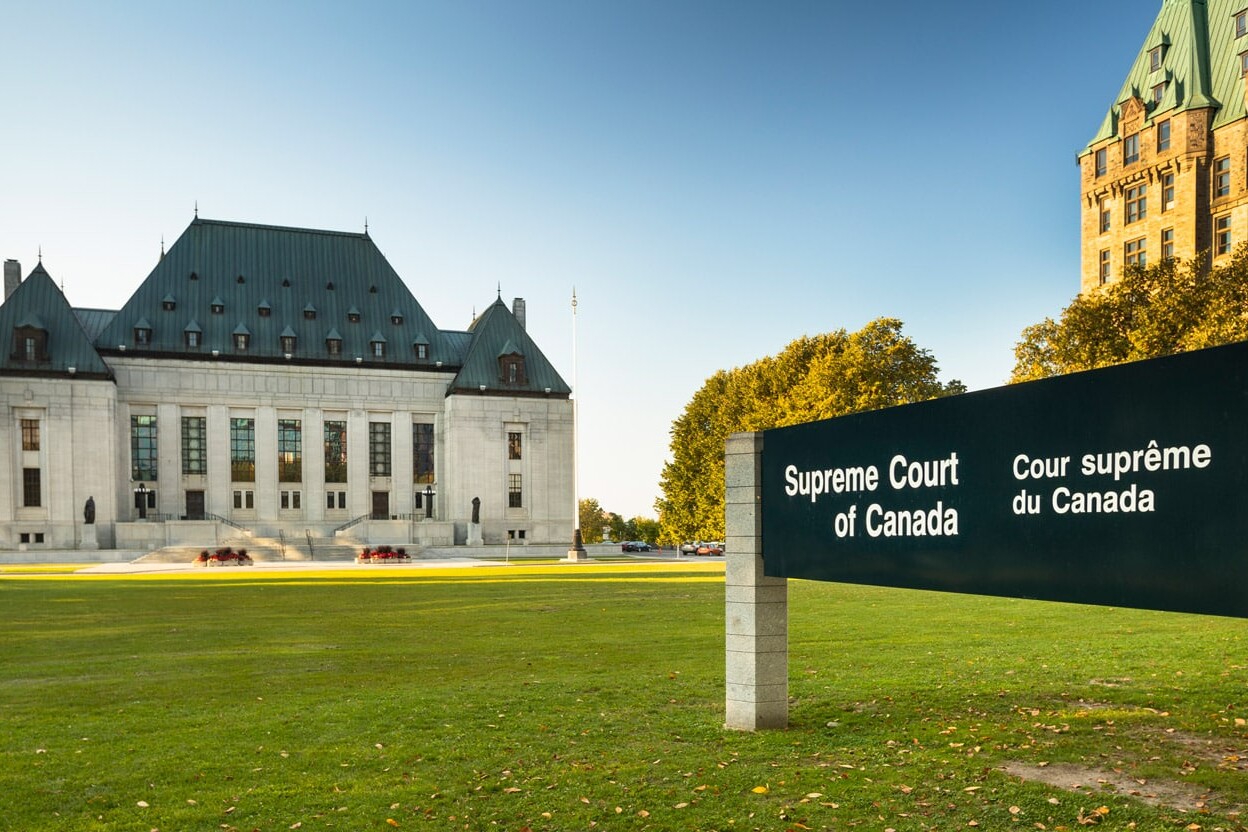
‘Notwithstanding’ support for the Charter of Rights, there’s work to do
While Canada’s history has been marked by divisive constitutional disputes, one part of the Constitution brings us together: the Charter of Rights and Freedoms. The Charter is seen by more people as being very important to their identity as Canadians than any other institution or symbol. It is held in high esteem in every region of the country, including Quebec.

Is one region favoured by Ottawa?
Discussions of how Canadians view their federation inevitably zero in on regional differences. Western Canadians are alienated, Quebecers are nationalist, Atlantic Canadians feel overlooked and Ontarians are more or less oblivious.

Confidence in Leaders
In 2021, almost a year into the COVID-19 pandemic, the Confederation of Tomorrow Survey of Canadians addressed the issue of public confidence in scientists, government medical advice and political leaders.
Support for equalization: 2023 update
Key findings are: Overall support for the equalization program in Canada remains steady; Support has increased in Alberta since 2019; Support remains steady in non-recipient provinces, but has fallen by 8 points since 2019 in recipient provinces. A 29-point gap between levels of support in Quebec and Alberta has narrowed to a 6-point gap.