

Canadian Youth
A new national research project documents for the first time the social norms that govern how Canadians think about and act on different types of racial micro-aggressive actions directed at people who are Indigenous or Black.
Women’s Equality and the Women’s Movement: an Update
The study provides an analysis of Canadian public opinion on issues facing women in Canada today and on the impact of the women’s movement. It compares the latest results to those from previous surveys conducted in the 1980s, 1990s and 2000s.
Working when sick
Efforts to improve public health and contain the spread of serious illness must focus on both the lack of paid sick days for many workers and the behaviour of those who have access to paid sick days but choose not to use them because of the prevailing workplace culture.
Democracy and Political Polarization in Canada and the U.S.
This presentation compares the results in Canada and the United Sates. It shows that American politics remains highly polarized in several senses; for instance, there are significant gaps in trust in the political system between those who identify as liberals and those who identify as conservatives.
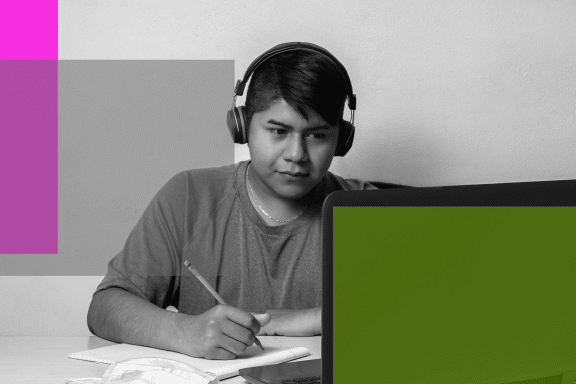
Making up time
This report explores the experiences during the pandemic of younger adults, defined as those between the ages of 18 and 34.
Race Relations in Canada 2021
This latest research once again confirms the reality of racism in Canada. A significant proportion of the population experiences discrimination because of their race or ethnic background at least occasionally, if not more often, and has witnessed other people encounter similar treatment.
Canadian public opinion about immigration and refugees 2021
Results from the latest Focus Canada survey reveal that Canadians continue to be largely positive and supportive about immigrants and refugees, who are much more likely to be viewed as making a positive contribution to the country than posing a threat.
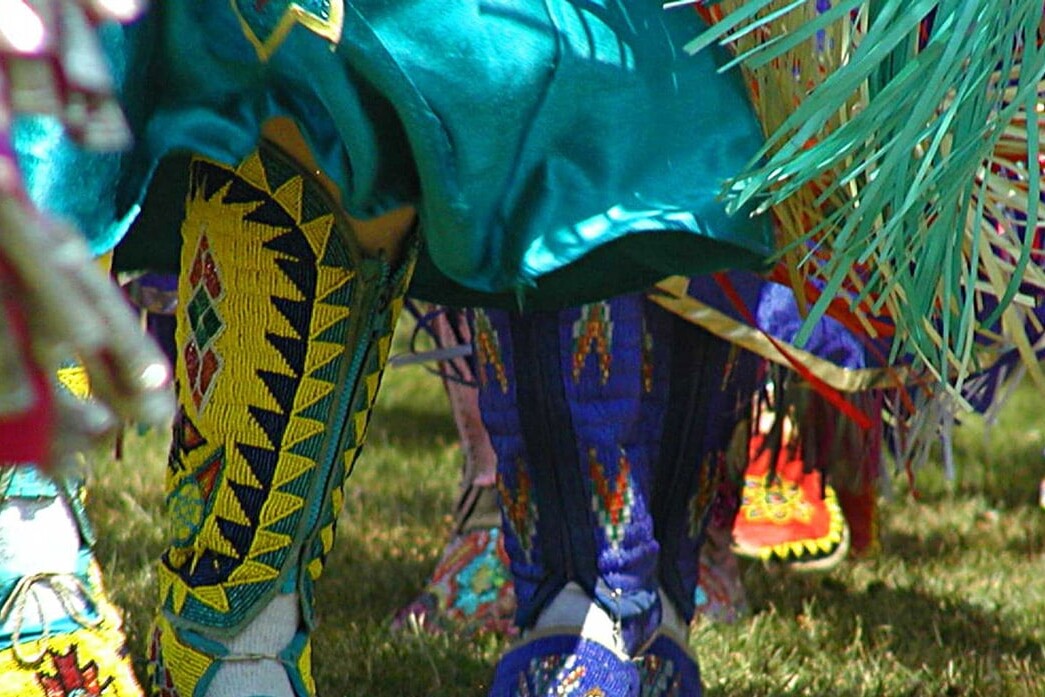
Canadian Public Opinion about Indigenous Peoples and Reconciliation
The survey reveals that, in the wake of these events, attitudes in Canada have shifted. There is a growing awareness of the mistreatment of Indigenous Peoples in Canada, including through the system of residential schools, and a growing willingness to say that the policies of Canadian governments is the main obstacle to achieving economic and social equality.
Respect, Influence and Fairness in the Canadian Federation
Did the federal, provincial and territorial responses to the crisis alleviate or exacerbate public discontent with how federalism works in Canada?
Support for Democracy in Canada
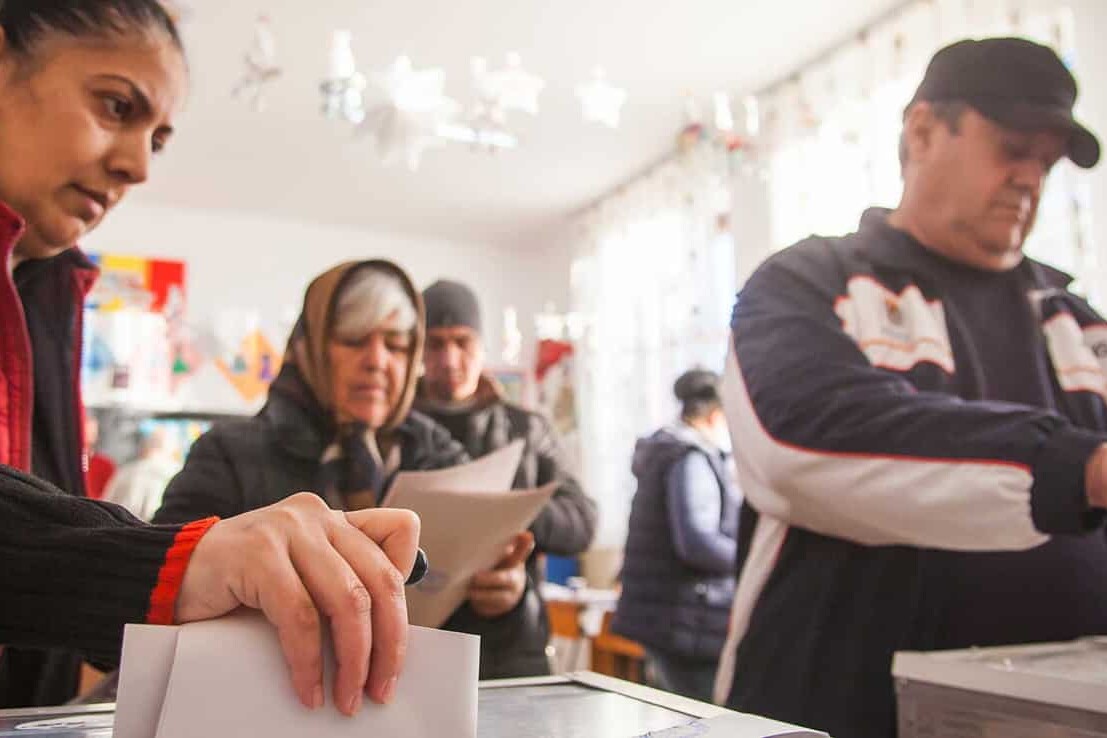
This report explores the current state of public trust in democratic institutions and actors in Canada, and how this may have changed over time. The data are drawn from the 2021 AmericasBarometer survey in Canada.