


Experiences with COVID-19 and mental health
The COVID-19 pandemic had both immediate and lingering impacts on our health. The immediate ones were all too obvious: millions died or became seriously ill. While some recovered quickly, others experienced persistent symptoms for months, if not years. | By Andrew Parkin & Justin Savoie

Canadians don’t need to worry about identity politics
Should Canadians be worried about identity politics? Some commentators lament the current obsession with identity, which they say focuses on what makes us different from one another rather than on what we have in common; that identity politics only serve to divide society into resentful silos. | By Michael Adams & Andrew Parkin

Support for sovereignty in Quebec: the role of identity, culture and language
A surprising resurgence of popularity for the Parti Québécois is not driven by growing support for sovereignty. But many Quebecers nonetheless identify themselves as mainly sovereigntist. What underpins this preference? Beyond an obvious preference for sovereignty, which of their views distinguish them from other Quebecers? | By Charles Breton & Andrew Parkin
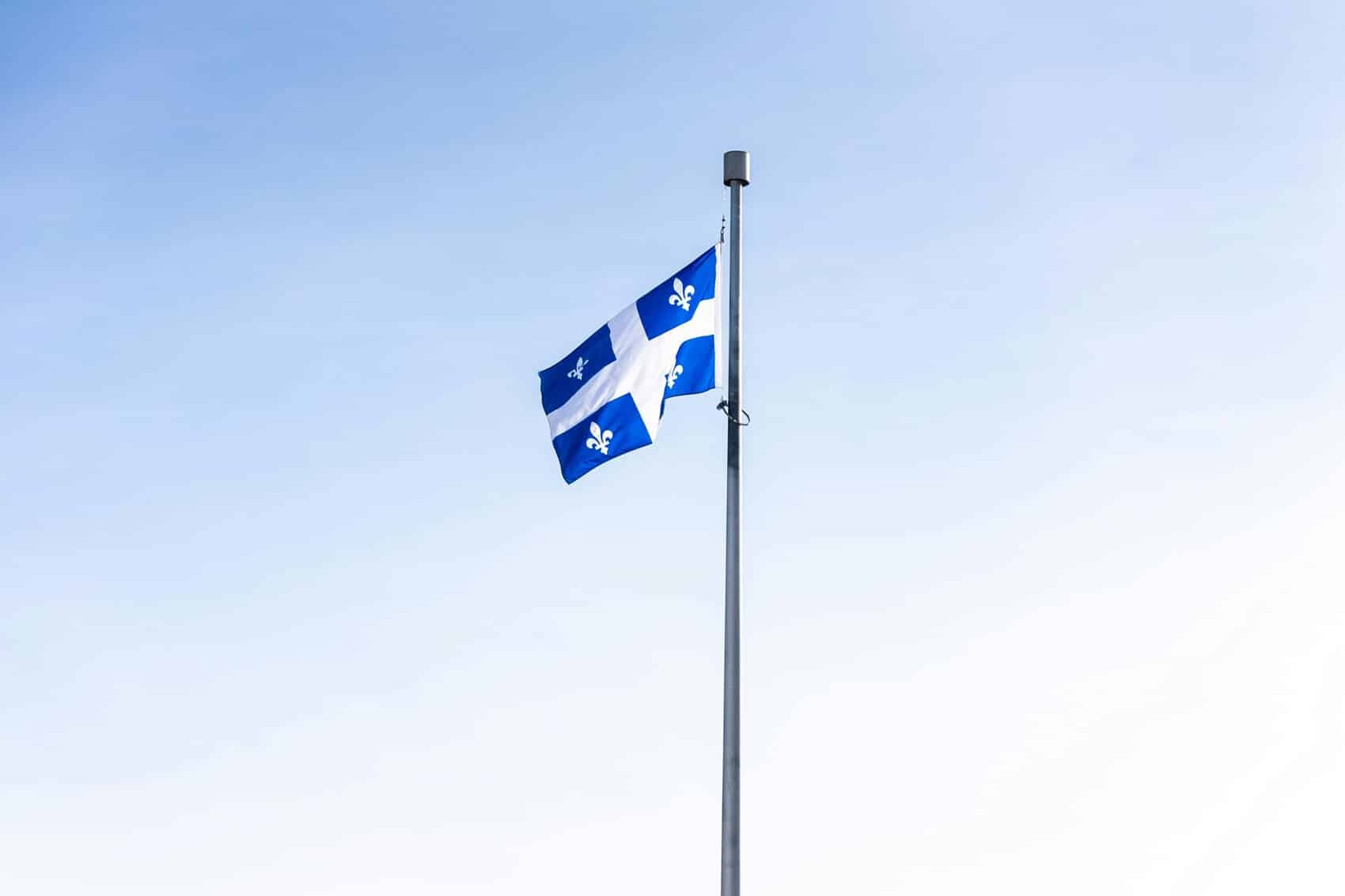
Here we go again? Making sense of the PQ’s rise in the polls
The 2018 Quebec provincial election was notable not only because it brought to power a new political party – the Coalition avenir Québec – but because it was a historic defeat for the sovereigntist Parti Québécois, reduced at that time to only 10 seats in the National Assembly. | By Charles Breton & Andrew Parkin

Paying for skills training: Why employers need to act more strategically
At a time of rapid change in the workplace, access to skills training is key to workers’ success. Workers cannot expect that the knowledge and know-how they learned during their years in formal education will see them through their entire careers. | By Andrew Parkin

Free trade wasn’t just Mulroney’s key achievement – it is one of the most dramatic public opinion turnarounds in Canada’s history
Since Brian Mulroney’s death last month, pundits and the public alike have reflected on his political acumen and accomplishments. The negotiation of the free-trade deal with the United States tops everyone’s list of his achievements as prime minister. | By Michael Adams & Andrew Parkin

Canada can’t afford to be complacent about skills training
As we move past the COVID-19 pandemic, there is a tension between the desire to go back to the way things were in the workplace before, and an interest in finding new and better ways to work. | By Andrew Parkin, Pedro Barata & Wendy Cukier

The mood was bleak in 2023, but fret not – we’ve been here before
It was quite a year in Canada. Satisfaction with the federal government and the Prime Minister nosedived. The governing party was eclipsed in the polls by the Official Opposition. Public anxiety about the economy grew, and as it did, support for immigration weakened. Despite a global summit on the environment, the issue of climate change struggled to make it to the top of the political agenda.

Canadians sharply more dissatisfied with direction of country at end of 2023
The COVID-19 pandemic was a challenging time. It threatened our lives and our health, upset our jobs and our livelihoods, and distanced us from friends and family.

Canada’s immigration story – At a speedbump or at crossroads?
Canada by global standards has had a successful history of immigration. The country has been fortunate in having a large land mass, oceans to provide for effective control over migrant flows, and a stable political ally along the undefended southern border.