


Mr. Harper’s child-proof political strategy
Okay, Canada, Mother's Day Pop Quiz. Question: What policy idea is capable of uniting: (a) social conservatives, (b) advocates of smaller government, and (c) Quebec, the most socially progressive region in North America?

New Canadians, old values?
Who would have thought? The community responsible for Toronto's gay pride parade, reliably the opposite of dull, finds itself at the centre of a legislative debate that has become boring.
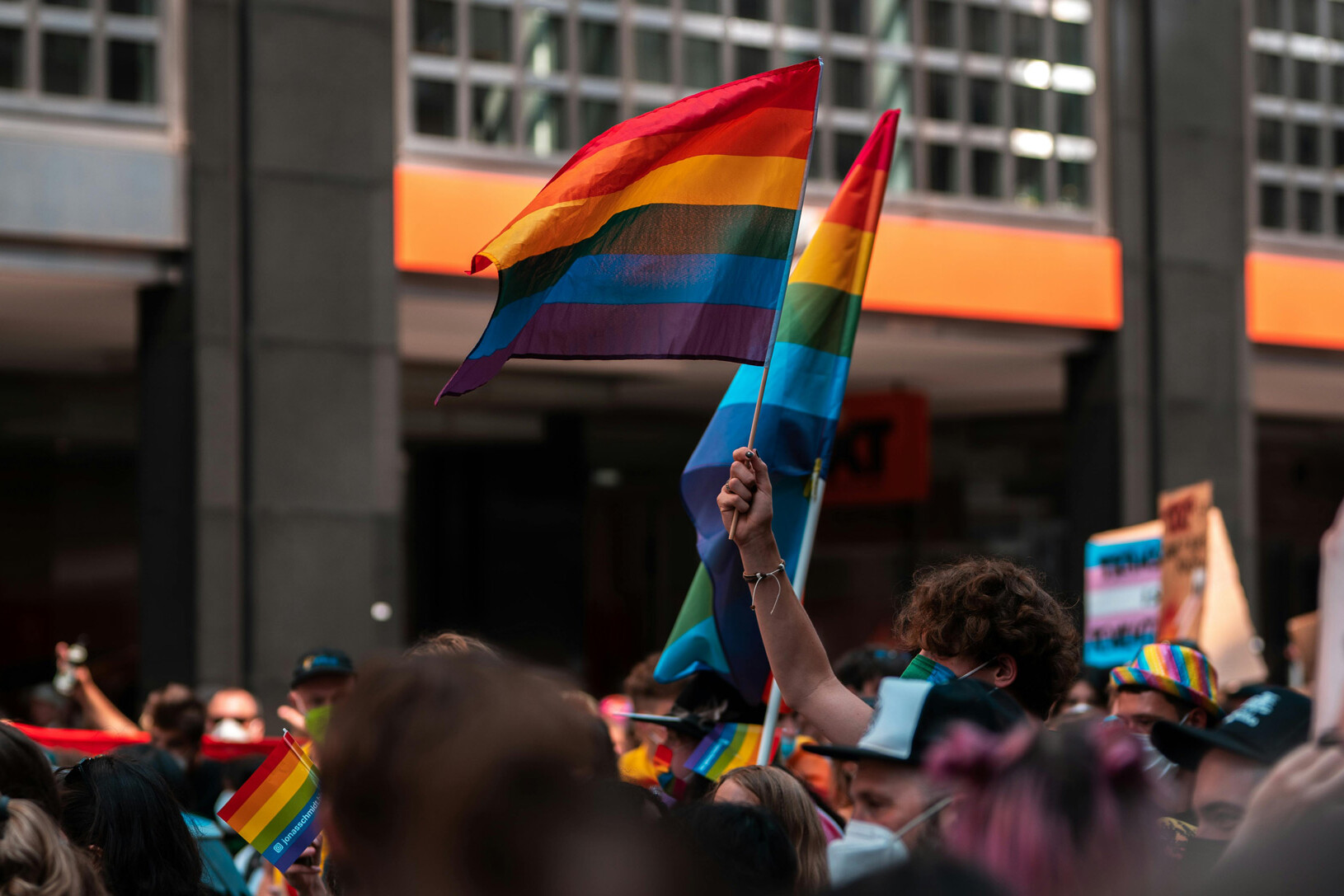
Sex and fire: Religion, homosexuality, and authority in Canada and the United States
Canada’s Supreme Court recently declared that, should the federal govern-ment wish to proceed with same-sex marriage legislation, it should be encumbered only by its own fear of controversy–not by any constitutional constraints.

My Canada doesn’t include religiosity
In the same-sex marriage debate that engulfed Canadians just before Christmas, The Globe and Mail ran comments from two of its more prominent Christian columnists, broadcaster Lorna Dueck and former Reform Party leader Preston Manning.

Shooting the pollsters
It was bound to happen sooner or later. As Americans and their leaders prepare for the most important and divisive presidential election in decades, pollsters, who like to think of themselves as scientists outside the arena of political contention, have become targets of partisan venom from both the Kerry and Bush camps.
Why Bush will win
As Canadians lick their wounds over our national election result – a minority that carries with it the likelihood of another round soon – we should be thankful for our limited campaigns compared to the endless electioneering in the United States.

Music for less than a song
In April the Federal Court of Canada dealt a blow to the Canadian Recording Industry Association when it ruled that online file sharing does not constitute copyright infringement.
Continental divide
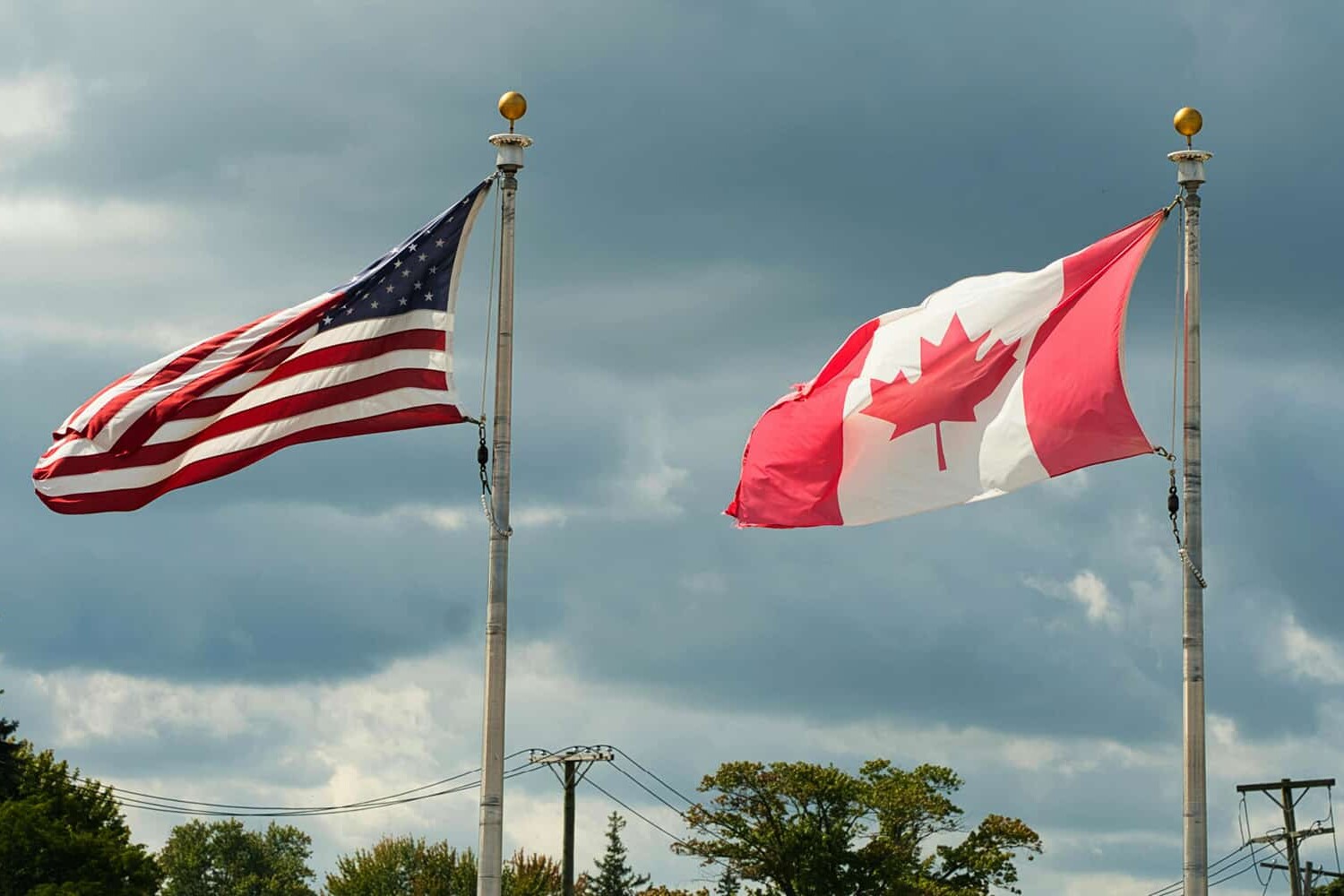
Last January, U.S. President George W. Bush and Canadian Prime Minister Paul Martin apparently hit it off over a breakfast of sausages and eggs at the Summit of the Americas meeting in Monterrey, Mexico.
A liberal Solomon needed
What a difference a few months have made in the life of our Prime Minister. When Paul Martin was "crowned," he inherited the most popular three-term government in Canada's history; he and his party seemed invincible.

A morning-after shocker
Alliance Party leader Stephen Harper and Progressive Conservative Party leader Peter MacKay have finally reached an agreement to merge their parties in an effort to unite the right.