


Canadians confident we can resolve regional differences
The political differences across the country – on issues ranging from energy and the environment to immigration and the best way to create jobs – sometimes leave the impression that the country is hopelessly fractured.
Making Federalism Work
This report focuses on the ways in which the country’s federal, provincial and territorial governments should work together as federal partners to address key issues.
Canada: Pulling Together or Drifting Apart?
This report looks at Canadians' identity within the country, and how they see their province or territory's place in the federation.
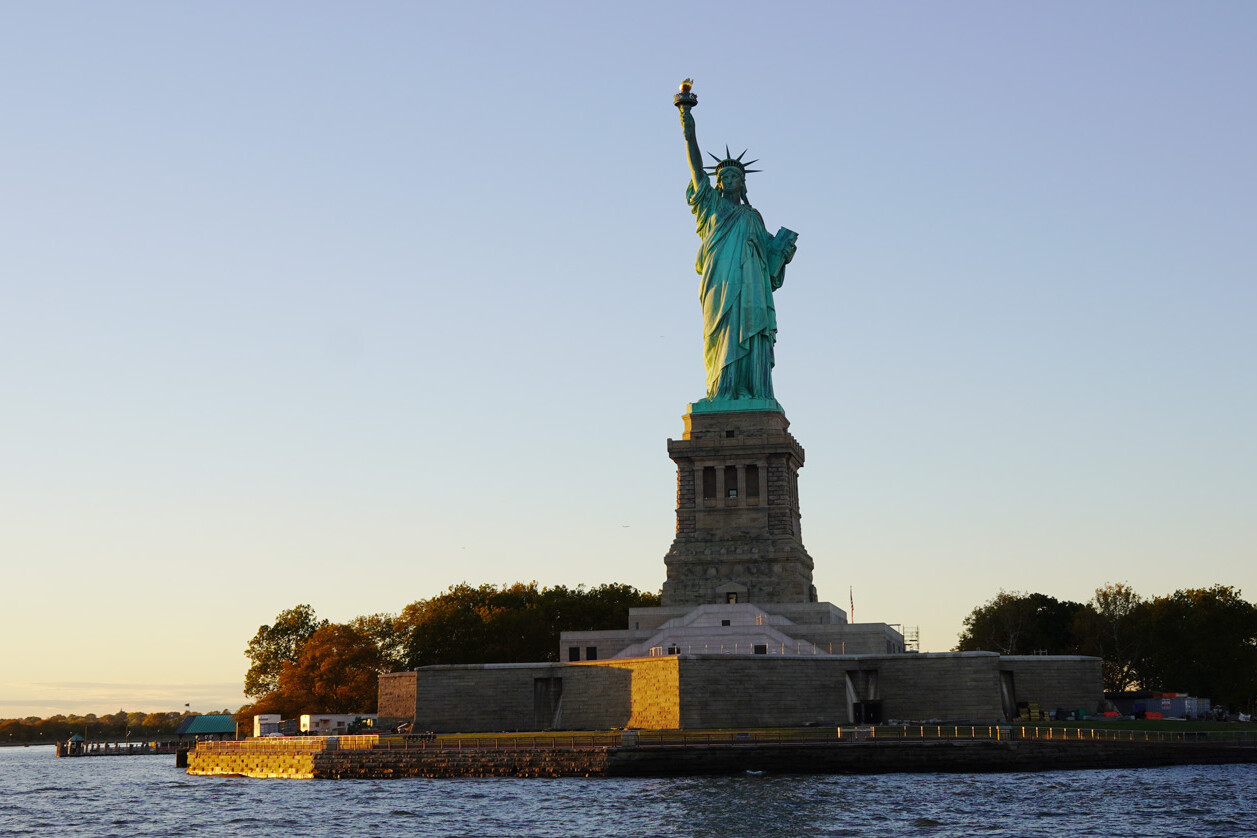
Canada’s opinion of the US at unprecedented low
It’s rare for pollsters to be able to use the word “unprecedented” to describe survey results unless they’re releasing their first poll – or giving in to the temptation to use hyperbole to get attention. But a recent Environics Institute survey has indeed revealed some unprecedented results.

Ahead of a federal election, what road will Conservatives take on immigration?
On the surface, the contrast between Canada and the United States on immigration is sharp. U.S. President Donald Trump was recently warning of an “invasion” by a group of migrants crossing Mexico on foot, even going so far as to send troops to the border in a theatrical flourish just ahead of the mid-term elections.
Does father know best? Canadian views – thankfully – continue to evolve
No socio-cultural change in North America has been more consequential over the past century than changes in attitudes and expectations related to the role and status of women in society.

Multiculturalism doesn’t divide. It encourages belonging
Maxime Bernier has argued that multiculturalism is a divisive policy that encourages Canadians to identify with their own “tribes” at the expense of their wider society.

Does a Bernier Party stand a chance in Canada?
An estimated 25,000 people have crossed into Canada from the United States at irregular crossings, seeking refugee status and reportedly fearing deportation by the Trump administration to dangerous home countries.

Canada’s World Survey 2018
The survey was the first to ever ask Canadians about how they see their place in the world, and that of their country – not simply what they believe their governments should be doing: What do they see as the top global issues, and how do they orient personally to the world outside of the national borders, in terms of their interests, travel and personal connections?

Why gun control is a lost cause in America
Cultures have their own myths, institutions and trajectories. Some things have changed in America, as in other societies: slavery was abolished, women got the vote, same-sex marriage was allowed.