

The Burden of Care: Addressing Challenges in Employment in the Nonprofit Sector
This report examines the perceptions of workers in the nonprofit sector and how these differ from workers in other sectors. Workers in the nonprofit sector have lower job satisfaction than workers in either the public or private sectors.

The Lingering Effects of COVID-19
This report helps to fill the information gap by documenting how many Canadians have missed work or school due to COVID-19 in the 12 months prior to the time of the survey in March 2023, and the length of their absences.

Participation in Skills Training
The COVID-19 pandemic severely disrupted the workplace. Some businesses closed either temporarily or permanently. Others enabled their employees to work from home.

Canada needs a bolder approach to skills training
With labour unrest back in the headlines, it is reassuring to know there is at least one thing on which workers and bosses can agree: skills. In particular, both sides are on the same page when it comes to the type of skills needed to succeed in today’s economy.

The shift to remote work
The majority of those who have been working from home say they prefer this arrangement and want it to continue once the pandemic is over. And most of those who want to continue to work from home prefer to do so on a regular basis, rather than occasionally.

Disconnecting from work
The Survey on Employment and Skills confirms that many Canadians find it a challenge to keep their work, family and personal lives in balance. But experiences vary widely. Some workers, such as those who are self-employed, are more likely to appreciate the flexibility of modern work arrangements

Working when sick
Efforts to improve public health and contain the spread of serious illness must focus on both the lack of paid sick days for many workers and the behaviour of those who have access to paid sick days but choose not to use them because of the prevailing workplace culture.
Making up time
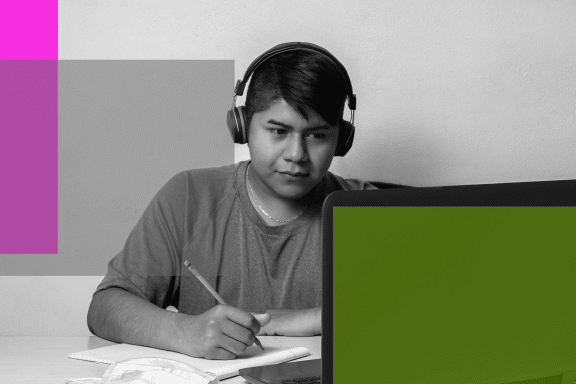
This report explores the experiences during the pandemic of younger adults, defined as those between the ages of 18 and 34.

Lessons learned
For many students, the short-term effect of the COVID-19 pandemic, through the switch to online learning, has been to effectively “privatize” our educational infrastructure, as families have had to rely on their own resources to provide the spaces, tools and connections needed for ongoing learning.

Mind and body
This report focuses on Canadians’ perceptions of their physical and mental health, and how these have changed during the pandemic. It also highlights implications for governments and employers as they begin to prepare for the post-pandemic recovery.