


Canadian public opinion about immigration and refugees
The year 2020 has been unprecedented in Canada and worldwide, starting with a global pandemic the likes of which have not been seen in 100 years, causing the greatest economic slowdown since the Great Depression.

A Better Canada: Values and Priorities after COVID-19
Five months after the onset of the COVID-19 pandemic in Canada, the Environics Institute for Survey Research and the Vancouver City Savings credit union joined forces to conduct a comprehensive study of public opinion about what Canadians are expecting from their governments, from corporations and from one another.

Canada is not the regionally divided country it’s made out to be
The one thing that the October 2019 federal election appeared to make clear was just how regionally divided the country had become. The Liberals were shut out of Alberta and Saskatchewan, the Conservatives fared almost as poorly in Toronto and Montreal, and the sovereigntist Bloc Québécois rebounded to form the third largest party in the House of Commons.

Political Polarization in Canada and the U.S.
This report explores the issue of political polarization in Canada and the United States through an analysis of public opinion data about democracy collected over the past decade.

Satisfaction with Canada’s democracy declines significantly in Alberta
A functioning democracy depends on the support of its citizens. The popularity of specific leaders and political parties may rise and fall, but ideally without affecting the extent to which citizens are satisfied with the political system and have trust in its core institutions, including the executive, the legislature and the judiciary.

Canadians: richer than they think
Americans don’t often talk about Canada, except when they need a foil in a political debate. Bernie Sanders has praised our health-care system. Gun-control advocates point to radically lower rates of firearms fatalities north of the border.
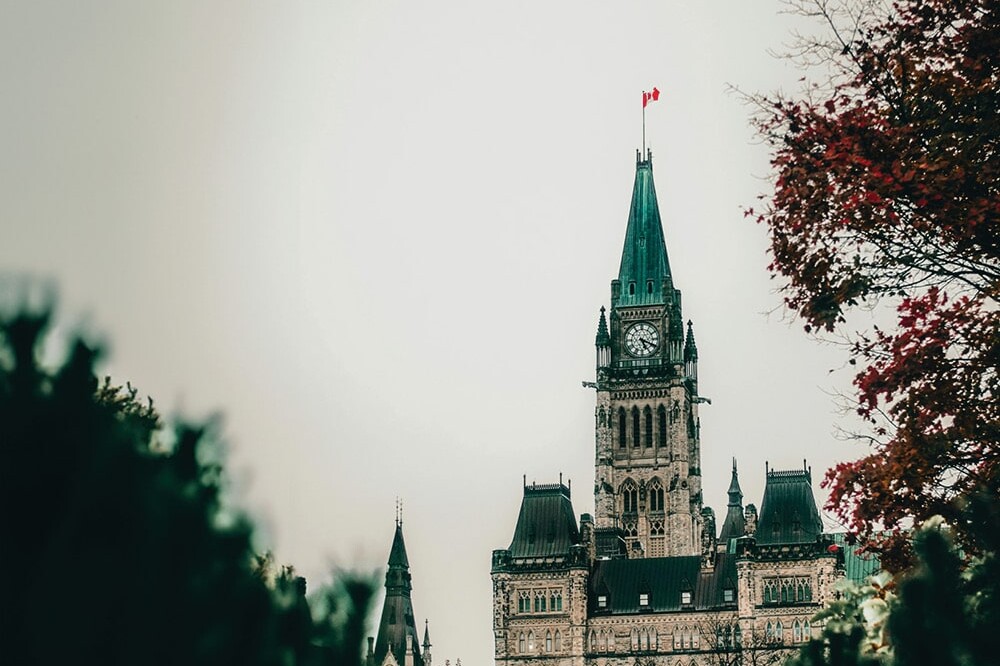
Public Support for Canada’s Political System
Previous research has shown that satisfaction with political institutions and trust in political actors in Canada has gradually been rising over the past decade. This report pushes this analysis deeper, by focusing not only on the national trend, but on sub-national ones as well.

Influence in Canadian Politics
Concerns have long been expressed about the extent of influence exercised by powerful or well-connected groups in society over the direction of the government.

Public Opinion in Metropolitan Canada
This report examines public opinion on a range of issues in Canada’s four largest metropolitan areas – Montreal, Toronto, Calgary-Edmonton (combined) and Vancouver – areas that together hold 43 percent of the country’s total population.
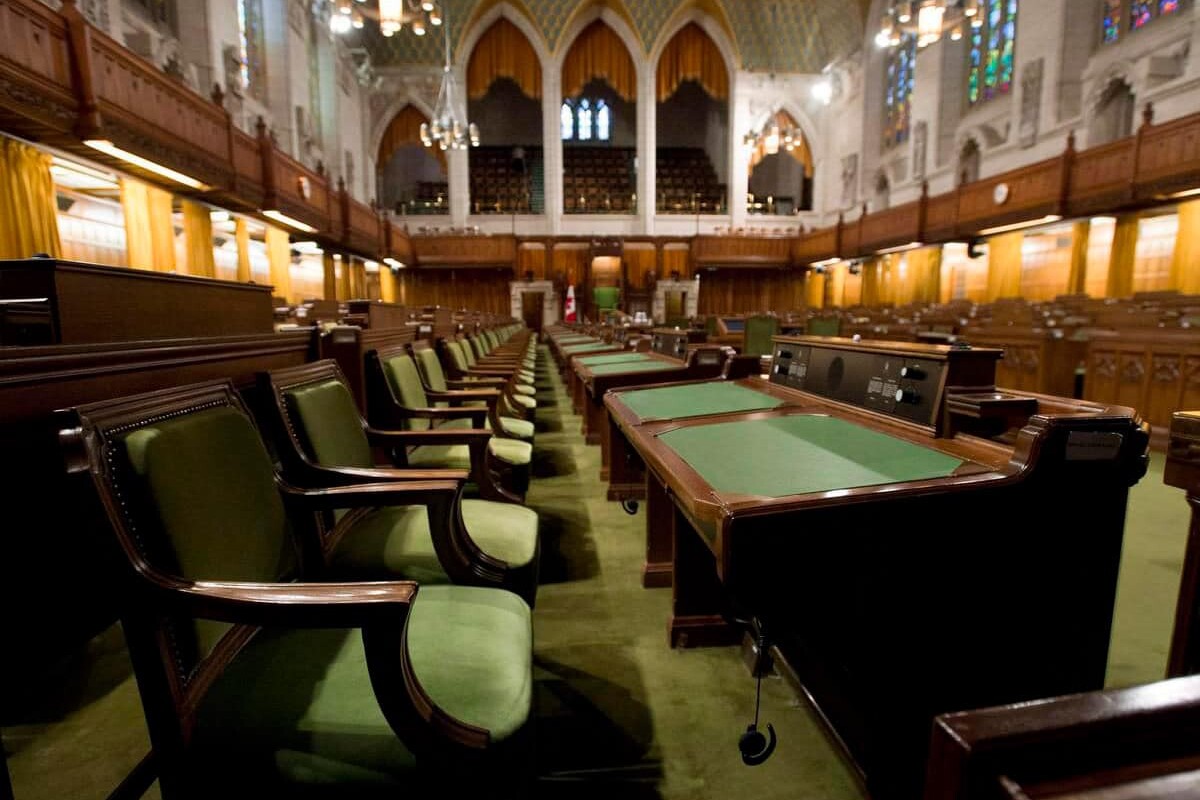
Voters need to be suspicious of all the magical promises from politicians
As the two most powerful parties promise that Canadians can have it all, without sacrifice, surely some voters have a sneaking feeling there’s something important they’re not being told.