

The following essay was published in The Globe and Mail on Saturday, December 27, 2025. Michael Adams is the founder and president of the Environics Institute for Survey Research. Andrew Parkin is the Institute’s executive director.
Nationalism has many different forms, from benign feelings of pride to aggressive chauvinism. Some speak idealistically of civic nationalism, quizzically of economic nationalism, or suspiciously of ethnic nationalism. And in Canada, there is Quebec nationalism and the search for greater autonomy by a myriad of Indigenous nations. All of these made their mark in the past year, and will continue to shape events in 2026.
Our surveys picked the highest unfavourable opinion of the United States in over four decades of polling, a growing recognition that our neighbour was behaving more as an enemy than as a friend, and – most decisively – an almost universal rejection of Mr. Trump’s proposal that Canada become the 51st American state.
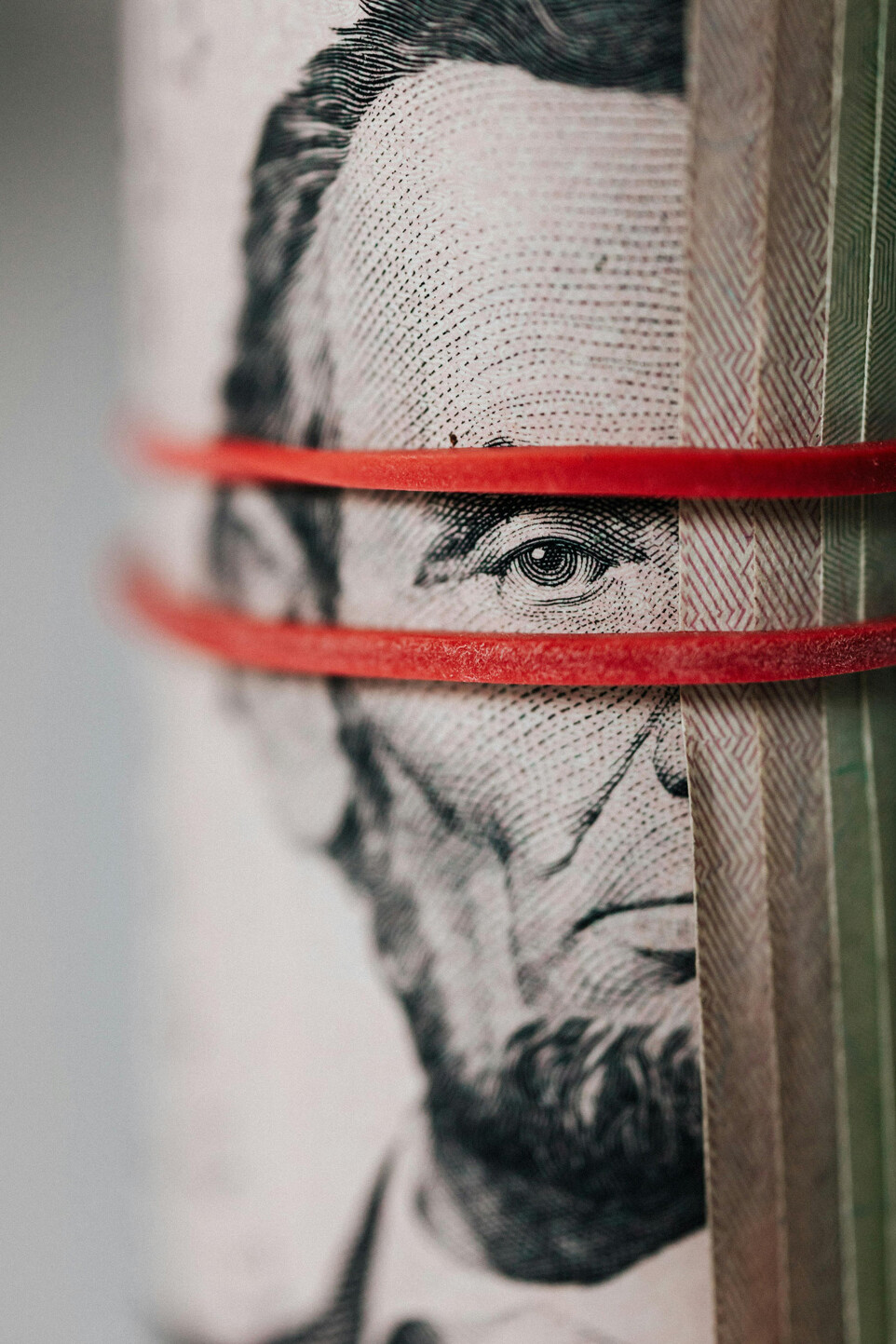
Let’s start with the basic idea of national self-determination – that a people have the right to govern themselves and chart their own future. Who would have thought that, for Canadians, this principle would ever been called into question? But while we may have been prepared for another round of “America first” protectionism following the return of Donald Trump to the White House in January, the U.S. President’s sudden interest in annexation caught us by surprise.
The idea that Canada might cease to exist as a sovereign country provoked a strong reaction: many Canadians postponed or cancelled plans to travel to the U.S., stopped buying American wine or bourbon, or relentlessly searched for “Product of Canada” labels in grocery stores. Our surveys picked the highest unfavourable opinion of the United States in over four decades of polling, a growing recognition that our neighbour was behaving more as an enemy than as a friend, and – most decisively – an almost universal rejection of Mr. Trump’s proposal that Canada become the 51st American state.
Related reading
Our elbows may be up, but have Canadians really changed?
If ever there was a year when Canadians needed a national day off, it’s 2025. Certainly, politicians and journalists could use a break after months of campaigning, but ordinary citizens are also worn out: from tracking which tariffs are on or off, digesting the U.S. President’s latest threats to our independence, and searching for the “product of Canada” labels at the grocery store while trying to understand what they even mean. | By Michael Adams & Andrew Parkin
Are Canada and the United States now back on a path towards political and cultural convergence?
Holiday dinners are sometimes about making the best of an awkward situation, forcing smiles and exchanging pleasantries with people you’d rather not be sitting next to for very long. That’s just what Justin Trudeau did at the end of November, when he flew to Florida to dine with the incoming president of the United States. | By Michael Adams & Andrew Parkin
Canadians don’t need to worry about identity politics
Should Canadians be worried about identity politics? Some commentators lament the current obsession with identity, which they say focuses on what makes us different from one another rather than on what we have in common; that identity politics only serve to divide society into resentful silos. | By Michael Adams & Andrew Parkin