


Influence in Canadian Politics
Concerns have long been expressed about the extent of influence exercised by powerful or well-connected groups in society over the direction of the government.

Are Canadians losing confidence in their democracy?
There are few certainties heading into an election campaign; the outcome is up for grabs. The one thing many do feel certain of is that it is Canada's turn to be buffeted by the winds of populism.
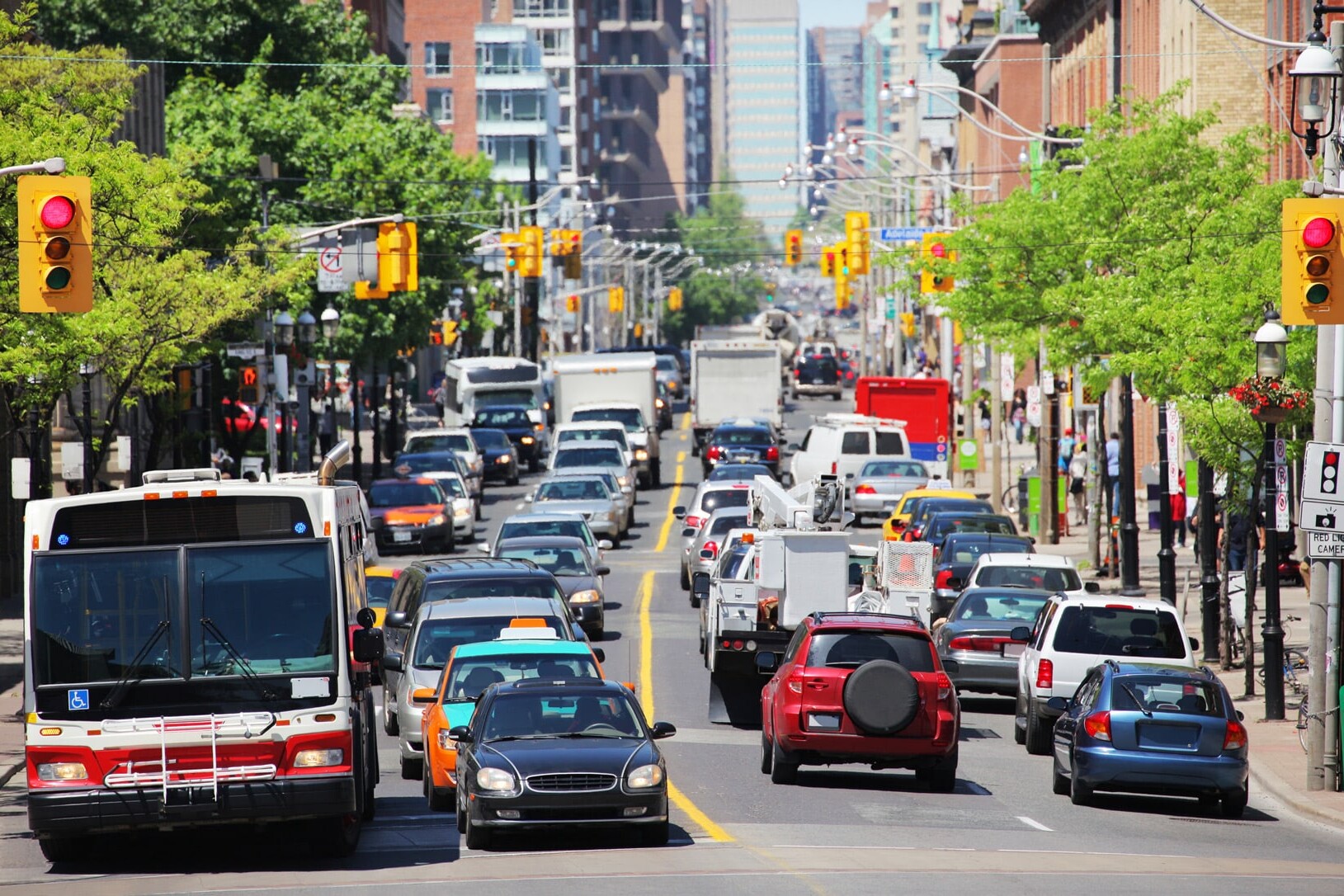
Canadians’ Satisfaction with Public Services
How satisfied are Canadians with some of the most important services that governments provide? This report tackles this question by providing an updated look at Canadian public opinion, as it is changing over time and in comparison to other countries around the world.

Confidence in Democracy and the Political System
This report examines current levels of public support for democracy, democratic institutions and the political system in Canada and how these have evolved over the past decade.
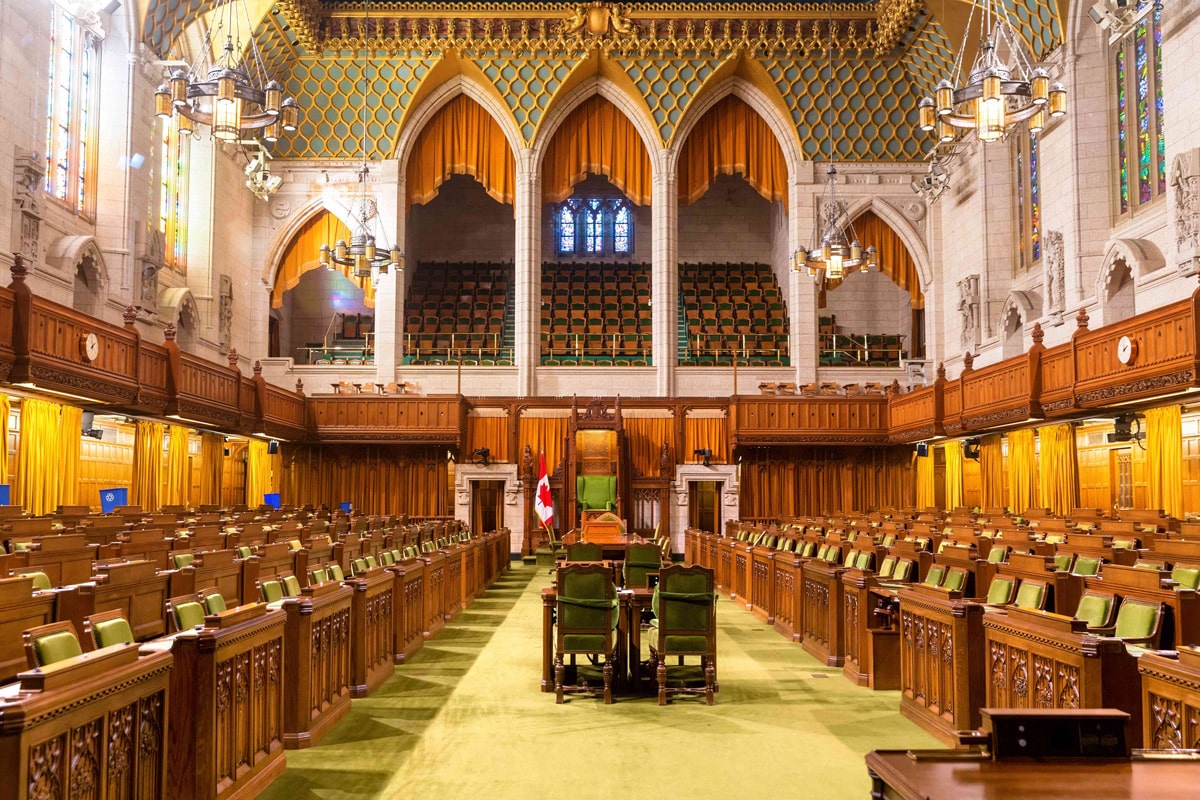
Perceptions of Gender and Political Leadership
New survey data collected by the Environics Institute suggest that one obstacle to recruiting more female candidates for public office is the difference in the degree to which men and women see themselves as qualified to run for election, and the extent of the encouragement that they receive to do so.

Canadians’ confidence in their national institutions holding steady
It seems that in just a few short years the world has become much less certain and stable. In particular, we have seen the destabilization of democratic institutions and political norms.

Three ways that Toronto could become more autonomous from Ontario
In 1999, Canadian philanthropist Alan Broadbent gathered smart-minded thinkers about Toronto—three former mayors, several former city councillors, influential urbanist Jane Jacobs, as well as local journalists, academics, and business leaders—for a two-day conference around the matter of the evolution of Canada’s largest city.

Democracies are stronger than you may think, but Canada not all that exceptional
Populist, anti-government sentiment continues to surge in many countries with democratically-elected governments — most recently with the emergence of Andrej Babis, the new anti-establishment leader of the Czech Republic.

It’s not happening here – Canadians keep faith in their democracy and government
In his new book, The Retreat of Western Liberalism, Edward Luce points to the spreading anti-government sentiment and populism (most boldly typified by Donald Trump and Brexit) as symptoms that now threaten a collapse of the world order of democracy and reason.
AmericasBarometer 2017
The AmericasBarometer is a 29 country public opinion survey on democracy, governance and civic engagement, conducted every two to three years by a consortium of of research partners across the western hemisphere.