


The following opinion article by Michael Adams and Christine Bergeron was published on September 3, 2020 in the Toronto Star. Michael Adams is founder and president of the Environics Institute for Survey Research. Christine Bergeron is interim President and CEO of Vancity, Canada’s largest community credit union. Information about their survey is available here.

Whoever pens Wednesday’s speech from the throne has no shortage of topics and suggestions to choose from. Pundits on both the left and the right have not been shy about sharing their favourite ideas.

For some, it is finally time to enact national programs like pharmacare; others plead for a sober approach to post-pandemic spending that will keep the country out of bankruptcy.

But what do Canadians want?

A new Environics Institute survey of 3,000 people across the country confirms that, by a wide margin, Canadians want change. Rather than trying to get back to the way things were, they are looking for an economic recovery that will bring us closer to a society that reduces inequality, takes care of the sick and vulnerable, and protects the environment.

It starts with the economy: most Canadians want to change how it works, with many saying that change should be “fundamental.” Only one in twenty thinks the economy works just fine the way it is. The reason most often cited by those wanting fundamental change is the need to reduce inequality. Strikingly, this is a priority shared by the higher and lower income alike — yet another indication that Canadians are bucking the trend towards polarization that is overtaking other democracies.

Most Canadians have also moved past the belief that kick-starting the economy has to come at the expense of the environment. In fact, a majority believe that investing more in clean energy technologies and environmentally friendly businesses can make it possible to combine a faster economic recovery with action on climate change. And the green recovery is not all up to the government: four in five Canadians say that corporations should also put in place programs and policies to protect the environment.

Public support is just as widespread across a range of other reforms. Large majorities of Canadians say they want to live in a society that provides quality long-term care for the elderly, that covers all essential medicines through public drug plans, that makes sure employees can take paid sick days when they need to, and that makes affordable and high-quality daycare for young children available to all parents who need it.

But if the survey results paint a picture of a public that is in an activist mood, it also shows that this is not because we have suddenly succumbed to despair or even panic. Despite the scale of the pandemic’s disruption to work and family life, Canadians’ self-confidence and sense of optimism made it through the summer more or less unscathed. And we are feeling less — not more — pessimistic about our jobs and our incomes today than in the past. These findings are, at least in part, a testament to the effectiveness of the range of emergency measures put in place by governments across the country to help Canadians weather the storm of the economic shut-down.

There has also been no dramatic upheaval in many of our long-standing beliefs about the role of government or business in our society, which means that the public’s appetite can hardly be dismissed as a momentary and uncharacteristic reaction to crisis. It is rooted in Canadian values and long-standing policy priorities, and it is unlikely to subside, even once the number of new COVID-19 cases finally starts to dwindle.

We all want to get back to work and school, to return to restaurants, concerts and live sports, to hug our friends and loved ones. But we want more than that. The country has weathered previous crises, including depressions and world wars — but not by simply waiting them out. Innovative solutions were found to ensure that the sacrifices Canadians were asked to make held the promise of something better to come. There is no question that Canadians are once more looking for something better to come out of this pandemic crisis. The only question is how long they will have to wait.

Related reading

A person in a blue jacket hikes with a dog along a trail through golden autumn trees, misty mountains rising behind—a reminder that Canada is not the regionally divided country it’s made out to be, but united in natural beauty.

Are Canadians on-side with Trudeau in fighting climate change?

The 42nd federal election is now over, and the deconstruction of what it was really about will go on for some time. What is already clear is that the outcome was driven primarily by a growing desire for change after almost a decade of Conservative government.
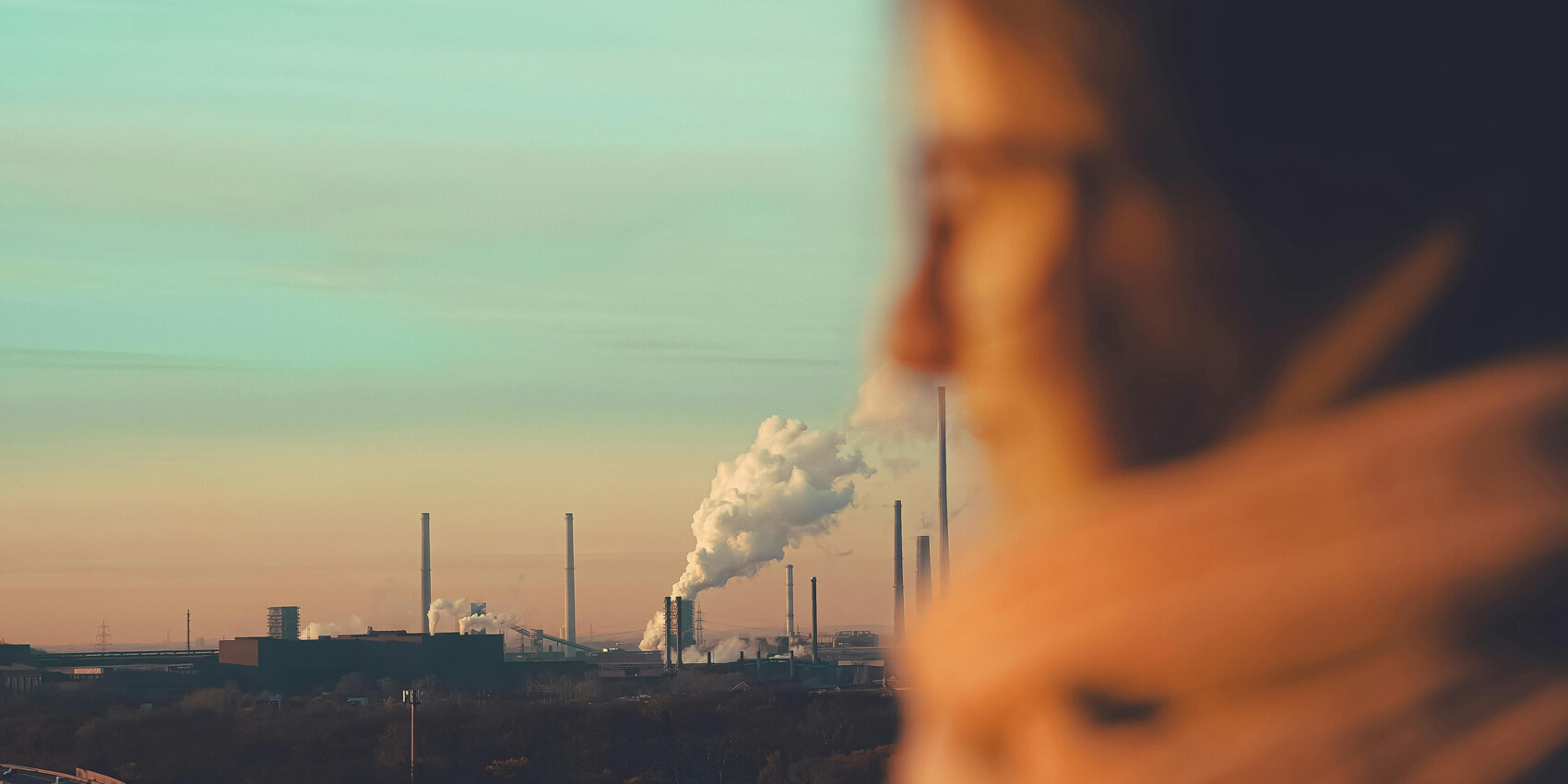
A blurred person in the foreground looks toward an industrial landscape with smokestacks, evoking the debate over climate action as most Canadians don't want a province-first approach to climate change under a pastel sunset sky.

Most Canadians don’t want a province-first approach to climate change

The issue of climate change, and how best to address it, is one that activates a number of society’s underlying fault lines, be they ideological, regional or even generational. In a federation such as Canada’s, however, there is an additional dynamic at play, namely views on the practice of federalism itself.

Close-up of two hockey players facing off on an ice rink, their skates and sticks poised, capturing the intensity of Hockey Fighting and What it Means to Be A Man as they battle for the puck.

Canadians on Hockey 2012

Hockey has long held a central place in Canada, and the National Hockey League is the flagship arena for the sport. Professional hockey has long stood out for the aggressive style of play, which has largely been accepted as just a part of the game.

Environics Institute for Survey Research

701-33 Bloor Street East
Toronto, ON M4W 3H1

info@environicsinstitute.org

Subscribe to our eNews

Subscribe to our eNews to stay apprised of our latest reports, Insights, events, and media mentions.

Stay Connected