

Support for democracy among younger Canadians
There is no shortage of concern that support for democracy among younger generations is weakening. This report addresses this issue by reviewing results to survey questions grouped under five themes: satisfaction and trust; democracy compared to other forms of government; democratic norms; respect for civil liberties; and political disaffection.
May 26, 2026
May 26, 2026Reportpolitics,youth,democracy,americasbarometer
Looking for something specific?

Building Faster?
Most Canadians support the federal government’s intention to act quickly to expand the country’s infrastructure, but not in the absence of agreements with its provincial or Indigenous partners.
May 11, 2026
May 11, 2026confederation of tomorrow,indigenous peoples,federalism,politicsReport
Canadians on Reconciliation and Relations with Indigenous Peoples
This year’s report from the 2025 survey provides an opportunity to assess the state of public opinion on these issues 10 years after the completion of the work of the Truth and Reconciliation Commission.
September 29, 2025
September 29, 2025confederation of tomorrow,indigenous peoples,reconciliationReport
Public support for Indigenous post-secondary education and training in Ontario
The Calls to Action issued in 2015 by the Truth and Reconciliation Commission of Canada included a number of items relating to education. These included calls for measures to eliminate gaps in educational attainment between Indigenous Peoples and non-Indigenous people in Canada, to provide adequate and equitable funding of education for Indigenous students, and to develop culturally appropriate educational curricula.
October 29, 2024
Attachment and identity in the Canadian federation
The annual Confederation of Tomorrow surveys explore the relationships between different types of identity. It asks about attachment to and identification with Canada and one’s province or territory; it also asks Indigenous Peoples about their attachment to their Indigenous nation or community.
June 30, 2024
June 30, 2024confederation of tomorrow,indigenous peoples,federalism,canadian identityReport
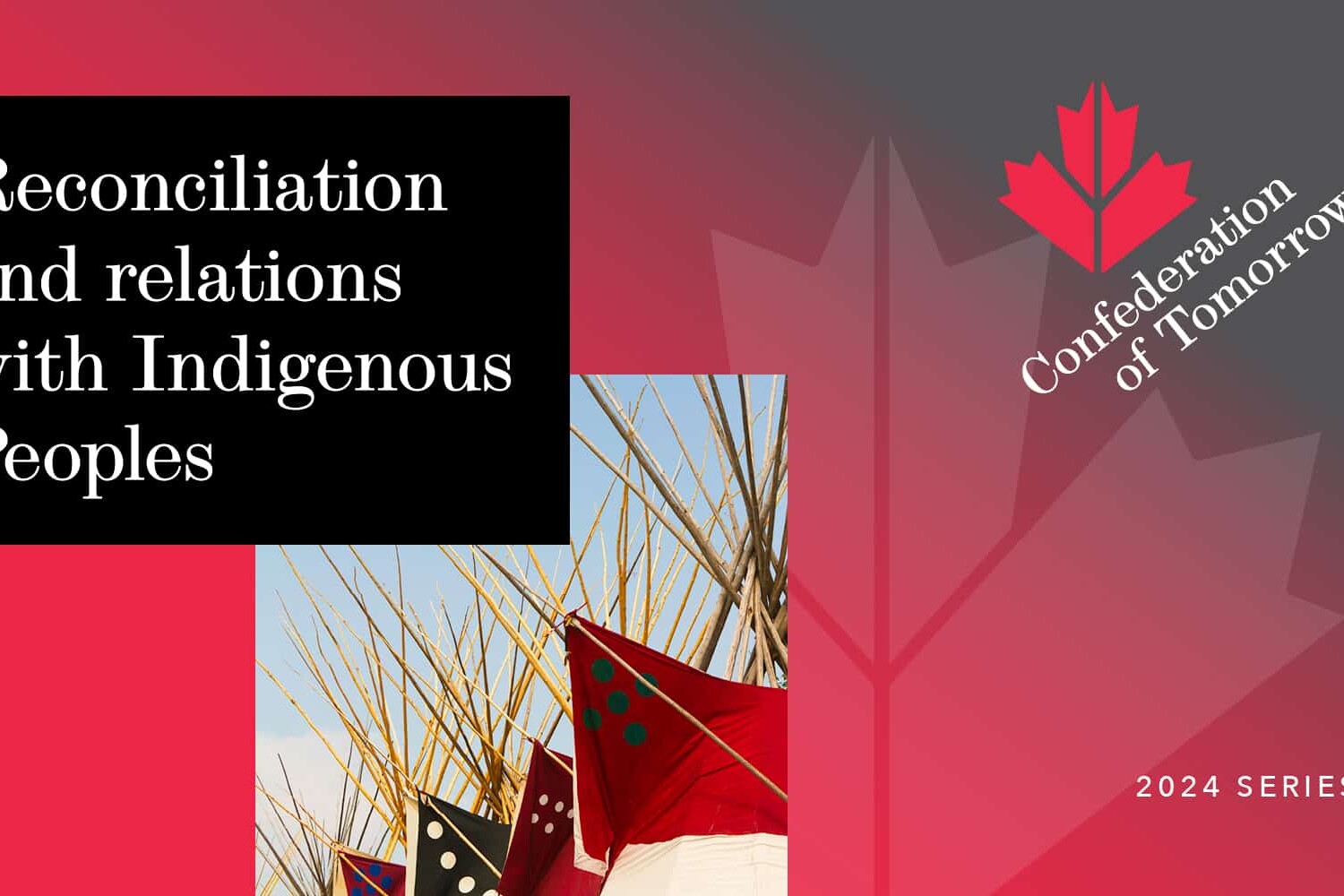
Reconciliation and Relations with Indigenous Peoples
How do Canadians today see relations between Indigenous and non-Indigenous people and how the process of reconciliation unfolding? Confederation of Tomorrow surveys have been addressing this topic since 2019, and the 2024 survey provides a fresh update on public attitudes from both Indigenous and non-Indigenous perspectives, and how they have evolved over time.
June 20, 2024
June 20, 2024confederation of tomorrow,indigenous peoples,politics,canadian identity,canadian politicsReport
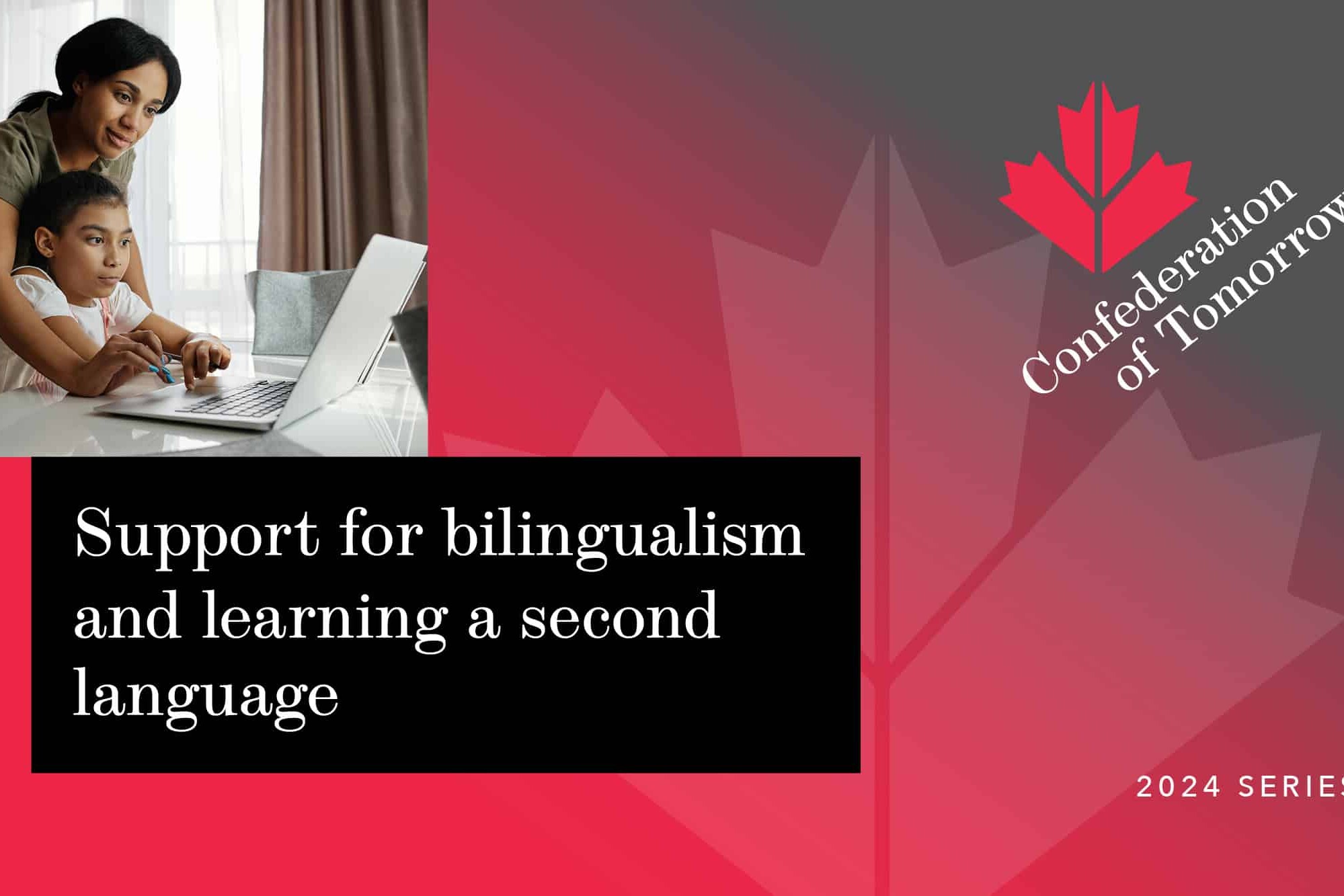
Support for bilingualism and learning a second language
The 2024 Confederation of Tomorrow survey revisits the topic of official bilingualism and the importance of children learning to speak a second language. It finds that support for bilingualism as a policy, and interest in children learning a second language, both remain fairly high.
May 30, 2024
May 30, 2024immigration,confederation of tomorrow,indigenous peoples,canadian identityReport
Reconciliation and Relations with Indigenous Peoples
The Confederation of Tomorrow surveys have covered relations with Indigenous Peoples from the beginning in 2019, documenting a gradual shift in Canadian public opinion toward greater support for the rights of Indigenous Peoples and the process of reconciliation.
June 21, 2023
June 21, 2023confederation of tomorrow,indigenous peoples,politicsReport
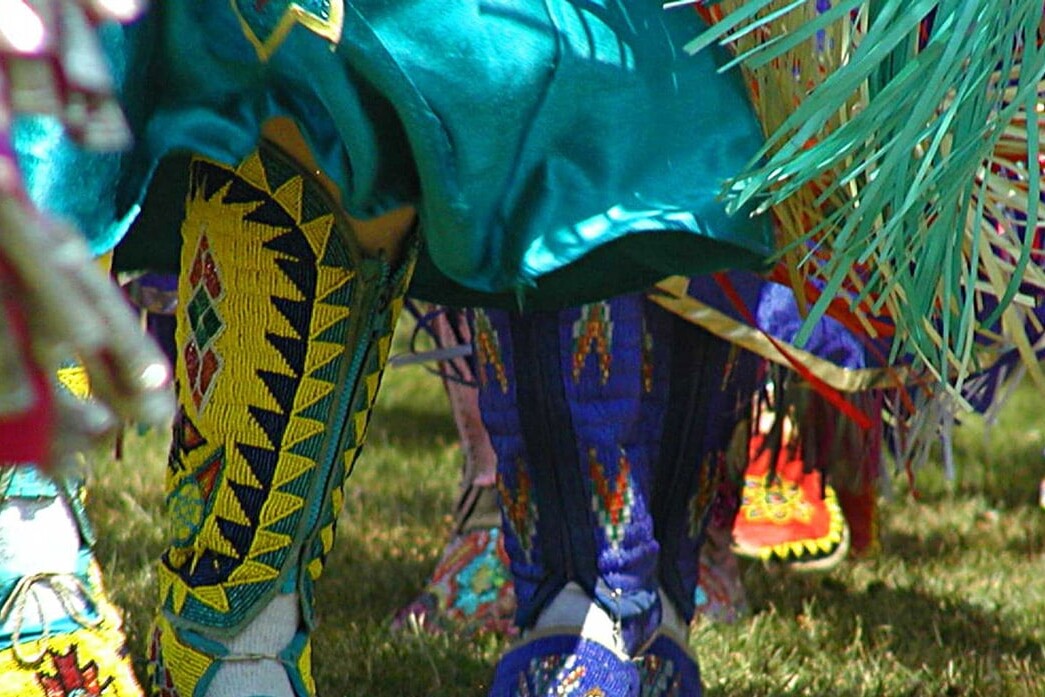
Canadian Public Opinion about Indigenous Peoples and Reconciliation
The survey reveals that, in the wake of these events, attitudes in Canada have shifted. There is a growing awareness of the mistreatment of Indigenous Peoples in Canada, including through the system of residential schools, and a growing willingness to say that the policies of Canadian governments is the main obstacle to achieving economic and social equality.
September 29, 2021
September 29, 2021focus canada,indigenous peoples,social changeReport
Indigenous Relations and Reconciliation
In the early months of 2020, prior to the arrival of the COVID-19 pandemic in Canada, news headlines in the country were focused on the protests taking place over issues relating to Indigenous Peoples’ rights and control over national resource development.
June 21, 2021
June 21, 2021confederation of tomorrow,indigenous peoplesReport
Towards Reconciliation: Indigenous and non-Indigenous Perspectives
No attempt to assess, modernize or reimagine the Canadian federation today is complete without including the perspectives of Indigenous Peoples, and addressing issues relating to the prosperity and well-being of Indigenous Peoples and communities.
October 15, 2019
October 15, 2019confederation of tomorrow,indigenous peoples,reconciliationReport
Canadian Youth Reconciliation Barometer 2019
Canada’s relationship with the Indigenous Peoples who first inhabited this land continues to be largely unresolved and fraught with controversy.
July 9, 2019
Public Opinion About Aboriginal Issues in Canada 2016
Canada’s relationship with the Aboriginal Peoples who first inhabited this land continues to be largely unresolved and fraught with controversy. The findings from the Truth and Reconciliation Commission is the latest compelling evidence of a troubled history and its contemporary legacy.
June 30, 2016
June 30, 2016indigenous peoples,racism,government role,discriminationReport
Urban Aboriginal Peoples Study
The Environics Institute conducted the Urban Aboriginal Peoples Study (UAPS) as a landmark national study focusing on Aboriginal Peoples living in Canada’s major urban centres.
April 30, 2010